🦵 Not sure what's causing it? Take the 5-question knee quiz.
Find My Pattern →Why Does My Knee Feel Worse in Certain Weather Conditions?
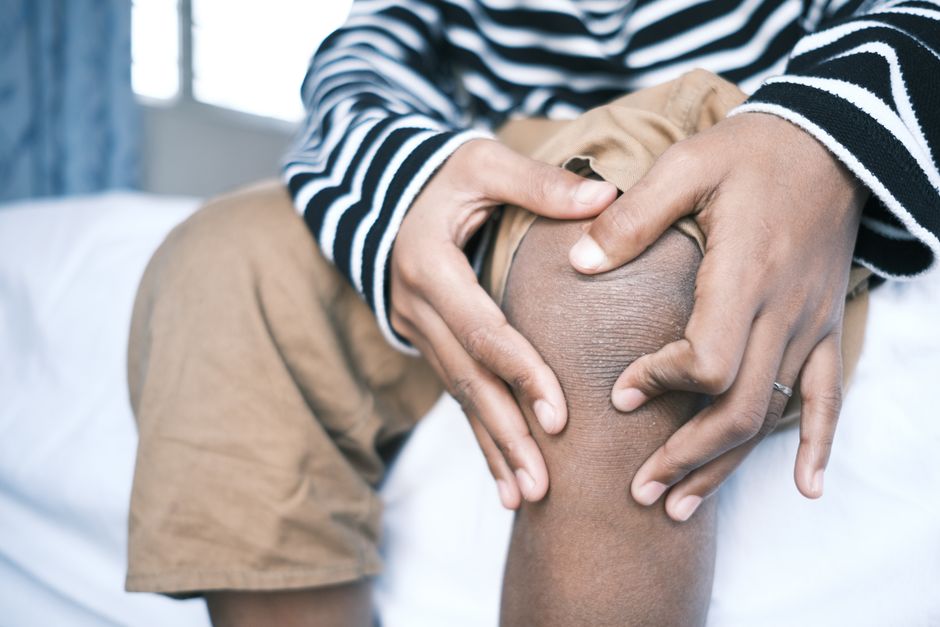
You notice it before the forecast even updates — a dull ache or tightness in your knee that wasn't there an hour ago. Rain is moving in, or the temperature has dropped, and your knee seems to know it before you do. You might wonder if you're imagining the connection, but the pattern feels real. The pain isn't always sharp or sudden; sometimes it's just a heaviness or stiffness that makes movement feel harder than it should. By the time you check your phone and see the weather alert, you're already adjusting how you move.
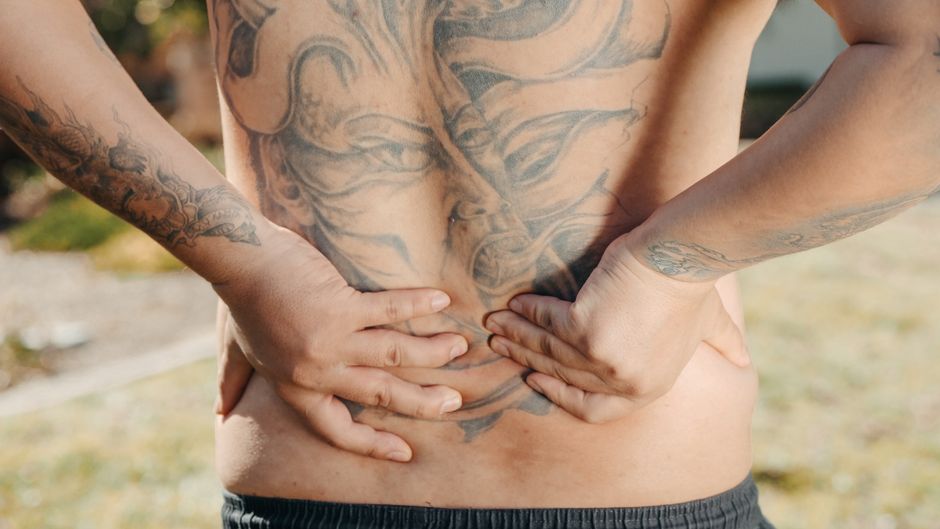
This experience is common enough that many people mention it to their doctors, and the frustration often comes from not understanding why it happens. Weather-related knee pain isn't something you can control, and it can feel unpredictable — which makes it harder to plan around or know what to do about it.
How weather changes affect your knee
🦵 Not sure what's causing your knee pain?
Answer 5 quick questions and get a personalised result.
Find My Pattern → 60 seconds · No sign-upSeveral things may happen in your knee when weather patterns shift, and the most talked-about explanation involves barometric pressure — the weight of the air around you. If you also experience knee pain worse in cold weather, the two issues often share the same underlying cause.
When air pressure drops (which typically happens before rain or storms), the tissues around your knee may expand slightly. Your knee joint contains fluid and is surrounded by a capsule of tissue. If there's already some inflammation or wear in the joint, this expansion can increase pressure inside the joint space and create that familiar ache. It's not that the pressure change itself causes damage; rather, it may aggravate existing irritation that's already there.
Cold temperatures can also stiffen the fluid inside your knee joint. Synovial fluid — the substance that lubricates and cushions your joint — becomes thicker and moves less freely when it's cold. This can make your knee feel stiff or reluctant to move smoothly, especially first thing in the morning or after you've been still for a while. Some people describe this as a "creaky" sensation that improves once they warm up and move around.
Humidity and dampness may play a role too, though the mechanism is less clear. Some research suggests that high humidity can affect how your nervous system perceives pain signals, or it may influence inflammation in ways we don't fully understand yet. What matters is that if you've noticed a pattern between damp weather and increased discomfort, that observation is worth tracking.
Finally, weather changes often shift your behavior in ways that indirectly affect your knee. When it's cold or rainy, you might move less, stay indoors, avoid your usual walk, or spend more time sitting. Reduced movement can actually make stiffness worse, creating a cycle where the weather keeps you still, and staying still makes your knee feel tighter. If you also experience knee pain worse in damp weather, the two issues often share the same underlying cause.
What you can try to manage weather-related knee pain
Keep moving gently, even indoors. On days when weather makes you want to stay put, gentle movement often helps more than resting. A slow walk around your home, some light stretching, or even standing and shifting your weight can help keep your knee fluid moving and prevent the stiffness that cold or pressure changes can trigger. You don't need to exercise hard — just avoid staying completely still for hours.
Warm your knee before you need it. If you know a cold front is coming or rain is forecast, apply warmth to your knee proactively rather than waiting until pain sets in. A heating pad, warm shower, or even warm pants can help keep the joint fluid moving more freely. Some people find that warming their knee for 10–15 minutes before getting out of bed on cold mornings makes the day feel easier.
Pay attention to your activity the day before weather changes. If you know barometric pressure is dropping, that's not the day to do extra stairs or a longer walk than usual. Your knee may be more irritable when weather is shifting, so matching your activity level to what your knee can handle on those days can reduce flare-ups.
Wear supportive layers and consider compression. Keeping your knee warm doesn't just feel better — it may help maintain normal joint fluid viscosity. Some people find that wearing compression sleeves or tights on cold or damp days reduces their symptoms. The compression also provides gentle support and may help your nervous system feel more confident in the joint.
Track the pattern yourself. Start noting when your knee hurts and what the weather was doing — not to obsess, but to understand your specific triggers. You might find that it's cold and humidity that bothers you, or just rapid pressure changes. Once you know your pattern, you can prepare differently for different weather scenarios.
When weather-related pain means you should see a professional
Weather-related knee pain that comes and goes with atmospheric changes is different from pain that's getting progressively worse or that limits your ability to do everyday tasks. If your knee pain is worsening over weeks despite your efforts to manage it, or if it's now painful even on days with stable weather, that's a sign to talk with a healthcare provider.
Also reach out if the pain is sharp and localized (rather than a dull, general ache), if you're noticing swelling that doesn't go down, or if you've had a recent injury. Pain that wakes you at night or makes it hard to bear weight on your leg warrants professional evaluation.
Safety note: If you have severe pain, significant swelling, a recent injury, fever, numbness, or difficulty bearing weight, speak with a qualified healthcare professional promptly.
Moving forward with weather awareness
Understanding that your knee responds to weather changes can actually be helpful — it means you're not imagining the pattern, and it's not a sign that your knee is suddenly "broken." Many people manage weather-related knee discomfort effectively once they recognize the trigger and adjust their approach to movement and warmth on those days.
The next step is to notice which specific weather conditions affect your knee most (cold alone, humidity, pressure drops, or a combination) and what strategies actually reduce your symptoms. That information is worth keeping track of, because it becomes your personal playbook for the seasons ahead.
Helpful Next Step
As an Amazon Associate, we may earn from qualifying purchases. This does not affect the price you pay.
Helpful Support Option
If this discomfort shows up during daily walking or standing, a compression sleeve may help reduce load on the joint during movement while the underlying cause is addressed.
See walking knee support optionsHelpful Next Step
If gentle support helps during recovery, you can check a simple support option that many people use in daily life. For useful context, how can i help a partner understand why i need rest days even when i feel okay tends to have the same mechanical roots and overlapping solutions.
This content is for educational purposes only and does not constitute medical advice. Always consult a qualified healthcare professional for diagnosis and treatment.