🦵 Not sure what's causing it? Take the 5-question knee quiz.
Find My Pattern →Knee Pain Worse in Damp Weather
You wake up on a grey morning and feel it before you even look outside—a deep, settling ache in your knee that wasn't there yesterday. By afternoon, the rain arrives. You weren't surprised. Your knee knew it was coming. This isn't imagination or coincidence. Many people experience a genuine shift in knee pain when weather turns damp and cool, and the timing can be uncanny: some feel it hours before the first drops fall, others notice the worst stiffness the morning after a pressure system moves in. The sensation often feels different too—less sharp, more of a heavy, dull throb that makes movement feel sluggish and deliberate.
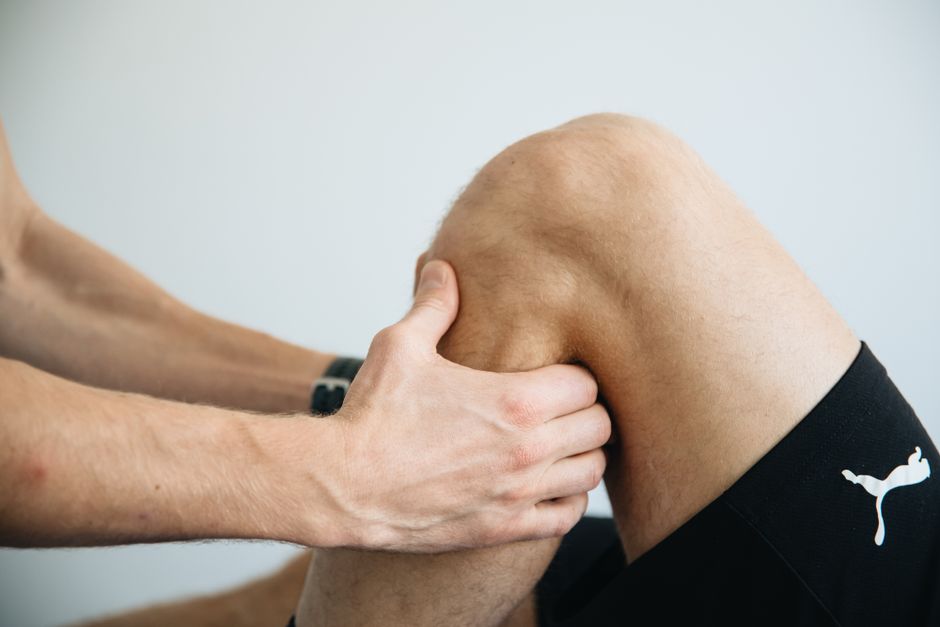
Why damp weather seems to intensify knee pain
🦵 Not sure what's causing your knee pain?
Answer 5 quick questions and get a personalised result.
Find My Pattern → 60 seconds · No sign-upSeveral mechanisms may explain why your knee feels worse when conditions turn wet and cool. This pattern is related to knee pain worse in cold weather, and the same management principles often apply.
Barometric pressure changes are the most commonly cited reason. When atmospheric pressure drops before rain, the air pressure surrounding your body decreases. The tissues around your knee—including the joint capsule and surrounding muscles—may expand slightly in response. If you already have inflammation, cartilage damage, or scar tissue in the joint, this expansion can increase pressure on sensitive structures and amplify discomfort. The lag time matters: some people feel pain 24 to 48 hours before weather shifts, which aligns with when pressure systems begin to move into an area, not when rain actually arrives.
Temperature drops play a separate role. Cold air causes muscles and connective tissues to contract and tighten. When cold combines with dampness, your body may respond more defensively than it would to dry cold alone. Damp cold penetrates differently—it conducts heat away from your skin more efficiently than dry air—and this deeper chill can make muscles around the knee stiffer and less responsive. The pain you feel is often worst during the transition into damp conditions, not at either extreme.
Reduced activity is easy to overlook but significant. On grey, rainy days, you naturally move less. You sit longer. You avoid stairs or walking outside. Paradoxically, this inactivity often makes pain worse, not better. Stiffness deepens when you're stationary, especially indoors watching the weather. A dull throb can intensify into something sharper the longer you stay still.
Psychological anticipation also matters more than many articles acknowledge. If you've experienced this pattern before, your brain begins to predict pain when you see dark clouds. This anticipatory anxiety can increase muscle tension around the knee before pain actually arrives, creating a self-reinforcing cycle. You tense up expecting pain, which makes the joint feel more uncomfortable, which confirms your expectation.
What you can try
Move deliberately, even when you don't feel like it. The instinct on a damp day is to rest, but gentle movement often eases the dull ache better than sitting still. A short walk indoors, slow stairs, or easy stretching can interrupt the stiffness cycle. You don't need intensity—consistency matters more. Even 10 minutes of movement every few hours can prevent the worst of the settling heaviness.
Warm the joint before it stiffens. A heating pad or warm compress applied to your knee when you first notice the ache can reduce muscle tightness and ease discomfort. Some people find this most helpful first thing in the morning on grey days, before pain fully develops. The warmth doesn't change the weather, but it can counteract the body's defensive tightening response to cold and damp.
Layer your clothing thoughtfully. Keeping your legs warm—especially around the knee—may help muscles stay more relaxed. This isn't about overheating; it's about preventing the sharp contraction that cold triggers. Compression sleeves or long pants designed to retain warmth can make a noticeable difference in how your knee feels during transitions into damp weather.
Stay hydrated and move your body consistently. Adequate water supports joint function, and regular activity on non-rainy days helps build strength and resilience in the muscles supporting your knee. This isn't a cure for weather sensitivity, but stronger muscles can buffer against the worst of the discomfort when conditions shift.
Notice your patterns without fixating. Tracking when pain worsens relative to weather changes can help you anticipate and prepare, but constant monitoring can amplify anxiety. Some people benefit from knowing a low-pressure system is moving in so they can plan rest and warmth; others find this knowledge increases worry. Pay attention to what helps you feel more in control.
When to reach out to a professional
If your knee pain is new, severe, or accompanied by significant swelling, warmth, redness, or instability, don't wait for better weather to have it checked. Weather sensitivity can develop with various knee conditions—some minor, some requiring specific care—and a professional can identify what's actually happening in your joint.
Also seek guidance if weather-related pain is limiting your daily life or social activities substantially. If you're avoiding stairs, canceling plans, or feeling isolated because of predictable pain patterns, a physical therapist or doctor can help you build strategies to stay active despite weather changes. There's a close connection between this and knee pain getting worse with age — the same structures are usually involved.
Safety note: If you have severe pain, significant swelling, a recent injury, fever, numbness, or difficulty bearing weight, speak with a qualified healthcare professional promptly.
Frequently Asked Questions
Q: Should I use a knee brace or compression sleeve for knee pain worse in damp weather?
A: A basic compression sleeve can offer comfort and mild support during activity, and many people find it helpful in the short term. Don't rely on it long-term without also addressing the root cause — whether that's strength, flexibility, or movement patterns.
Q: Can stretching help with knee pain worse in damp weather?
A: Gentle stretching of the quadriceps, hamstrings, calves, and hip flexors can reduce the muscular tension that contributes to knee discomfort. A sustained, comfortable hold of 20 to 30 seconds is far more effective and safer than aggressive or bouncing stretches.
Q: Can I still walk normally when I have knee pain worse in damp weather?
A: Many people manage normal walking despite this kind of discomfort. If walking causes you to limp or noticeably change your gait, though, that's worth addressing — compensating patterns often create new problems in the hips, lower back, or opposite knee over time.
Where to Go From Here
Most people who take early, sensible action recover well. Start with what you can manage today and monitor closely. If things are not improving after a few weeks, that is the right time to bring in professional support.
Helpful Next Step
As an Amazon Associate, we may earn from qualifying purchases. This does not affect the price you pay.
Helpful Support Option
If this type of knee discomfort shows up during daily movement, light support may help reduce strain on the joint while you work on the underlying cause.
See knee support options on AmazonHelpful Next Step
If gentle support helps during recovery, you can check a simple support option that many people use in daily life. People dealing with this frequently also notice knee pain that gets worse the further you walk, particularly after extended periods of inactivity.
This content is for educational purposes only and does not constitute medical advice. Always consult a qualified healthcare professional for diagnosis and treatment.