🦵 Not sure what's causing it? Take the 5-question knee quiz.
Find My Pattern →Knee Pain Worse in Cold Weather
You wake up fine. The knee feels normal. Then you step outside into the cold, or sit in an unheated car on the drive to work, and within an hour or two—not immediately, but creeping in gradually—that familiar dull ache settles in. By afternoon, it's a tight, heavy sensation that makes you hesitate before standing up from your desk. You catch yourself checking the weather forecast not for plans, but to brace yourself for what your knee might do. Winter becomes something you dread a little, not because of the season itself, but because of what it does to your body.
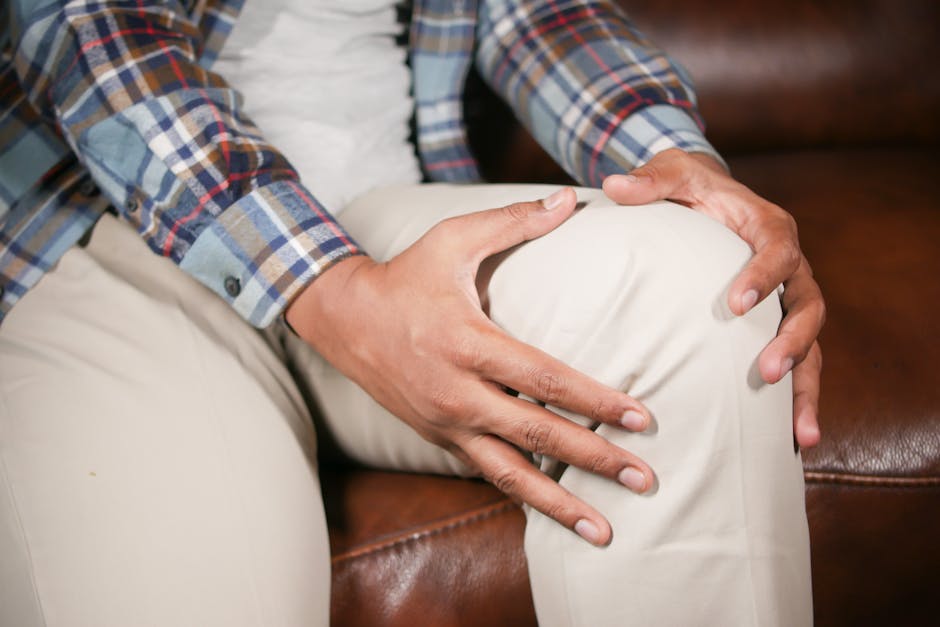
This pattern is real, and you're not imagining it. The timing matters. Cold-triggered knee pain often doesn't announce itself the moment you step outside—it builds over hours, peaks in the afternoon, then sometimes eases once you're back in warmth. That delayed arrival can make it feel unpredictable, even when the weather is clearly the culprit.
Why Cold Makes Knee Pain Worse
Your knee joint contains synovial fluid—essentially the oil that keeps everything moving smoothly. When temperatures drop, this fluid can become thicker and more sluggish, much like how honey moves differently in cold versus warm conditions. Your knee may feel stiffer and require more effort to move through its full range of motion. That extra friction and resistance can trigger aching or sharp catches, especially in knees that already have wear, past injuries, or inflammation. This pattern is related to knee pain worse going down than up stairs, and the same management principles often apply.
Cold also narrows blood vessels throughout your body as a survival response—your body is trying to preserve heat in your core. When blood flow to your knee decreases, the muscles and tissues around the joint receive less oxygen and warmth. Muscles naturally tighten in cold conditions, and a tight muscle around an already-sensitive knee can amplify pain signals. The combination of thicker fluid, reduced blood flow, and muscle tension creates a perfect storm for discomfort.
If you have osteoarthritis or previous cartilage damage, cold weather can feel especially punishing. Damaged joint surfaces are more sensitive to changes in pressure and temperature. Some people also notice that cold makes them move differently—favoring one leg, walking more carefully, tensing up—and that altered movement pattern itself can trigger pain that persists even after you warm up.
There's also a psychological layer worth acknowledging. When you know cold weather is coming, you may unconsciously brace yourself, move more cautiously, or avoid activities you'd normally do. That anticipatory anxiety and protective tension can amplify pain perception before cold even touches your knee.
What You Can Try
Warm up before you go out. Don't just step outside and expect your knee to cooperate. Spend five to ten minutes moving indoors—gentle walking, light stretching, or even standing while doing dishes. Get your blood flowing and your synovial fluid moving before you expose yourself to cold. This isn't exercise; it's preparation.
Layer your knee strategically. A compression sleeve or knee brace worn under your pants traps warmth and provides gentle pressure that can reduce the sensation of looseness or instability. It won't cure anything, but many people find it reduces the sharp catches and the dull ache. Wear it during your commute or while running errands, and remove it once you're indoors to avoid over-relying on it.
Use heat before bed and after cold exposure. A heating pad on your knee for 15 to 20 minutes after you've been outside can interrupt the afternoon ache cycle. The warmth helps synovial fluid move more freely and eases muscle tension. This works best if you do it as soon as you're back inside, rather than waiting until evening when stiffness has already set in.
Move gently and often indoors. On cold days, staying still makes everything worse. Brief walks around your home, slow stairs, or standing while you work can keep your knee from stiffening up. Movement generates heat and keeps fluid mobile. You don't need a workout—just consistent, gentle motion.
Pay attention to your car and workspace temperature. A cold car is a common pain trigger because you're sitting still in cold conditions for an extended period. Run the heat before you get in, or bring a blanket for your legs. At work, position yourself away from cold windows or vents, and keep a small heating pad in your desk drawer.
Not sure what's causing your knee pain? Take our 5-question quiz to find your pattern — Start the quiz →
When to Seek Professional Help
Cold-triggered knee pain that responds to warmth and movement is often manageable on your own. But if your pain is severe, worsening despite these efforts, or if you notice swelling, warmth in the joint, or difficulty bearing weight even in warm conditions, you need professional evaluation. Similarly, if cold pain is now preventing you from normal activities—skipping work, avoiding childcare responsibilities, or isolating yourself because you're afraid to go outside—that's a sign to talk to someone.
Safety note: If you have severe pain, significant swelling, a recent injury, fever, numbness, or difficulty bearing weight, speak with a qualified healthcare professional promptly.
Frequently Asked Questions
Q: Is it safe to exercise with knee pain worse in cold weather?
A: Gentle, low-impact movement is often beneficial — walking, swimming, and cycling tend to be well-tolerated. Avoid anything that sharply increases the discomfort. A physiotherapist can help identify which exercises are right for your specific situation and severity.
Q: When should I stop exercising because of knee pain worse in cold weather?
A: Stop if the pain is sharp, climbing steadily during exercise, or causing you to change how you move. Mild, stable discomfort that stays at a 2 to 3 out of 10 is often acceptable to work through gently. Anything above that — or pain that simply feels wrong — is your cue to stop and reassess.
Q: Is it normal to hear clicking sounds alongside knee pain worse in cold weather?
A: Joint sounds are extremely common and usually harmless — they often come from gas bubbles in the joint fluid or tendons flicking over bony prominences. If the clicking is painless and your knee functions normally, it's generally nothing to worry about. If it's accompanied by pain or swelling, mention it to a healthcare professional.
What To Do Tomorrow Morning
Most people who take early, sensible action recover well. Start with what you can manage today and monitor closely. If things are not improving after a few weeks, that is the right time to bring in professional support.
Helpful Next Step
As an Amazon Associate, we may earn from qualifying purchases. This does not affect the price you pay.
Helpful Support Option
Cold therapy wraps can help manage inflammation and reduce discomfort after activity. They're a simple, low-effort addition to a broader self-management routine.
See cold therapy knee optionsWant a more personalised recommendation? Take the 5-question quiz →
If gentle support helps during recovery, you can check a simple support option that many people use in daily life. This pattern is related to why does knee pain get worse at night, and the same management principles often apply.
This content is for educational purposes only and does not constitute medical advice. Always consult a qualified healthcare professional for diagnosis and treatment.