🦵 Not sure what's causing it? Take the 5-question knee quiz.
Find My Pattern →How Can I Help a Partner Understand Why I Need Rest Days Even When I Feel Okay?
Your knee feels fine this morning. You walked around the house without limping, climbed the stairs normally, maybe even felt a little hopeful that things are improving. So when you tell your partner you need to skip the weekend hike or take it easy instead of going out, you see the confusion cross their face. "But you seemed okay earlier," they say. And you can't quite explain why feeling okay right now doesn't mean you're ready for what comes next—or why pushing it today might mean real pain tomorrow. This gap between how you feel in a calm moment and what your body can actually handle is one of the hardest things to communicate to someone who hasn't lived it.
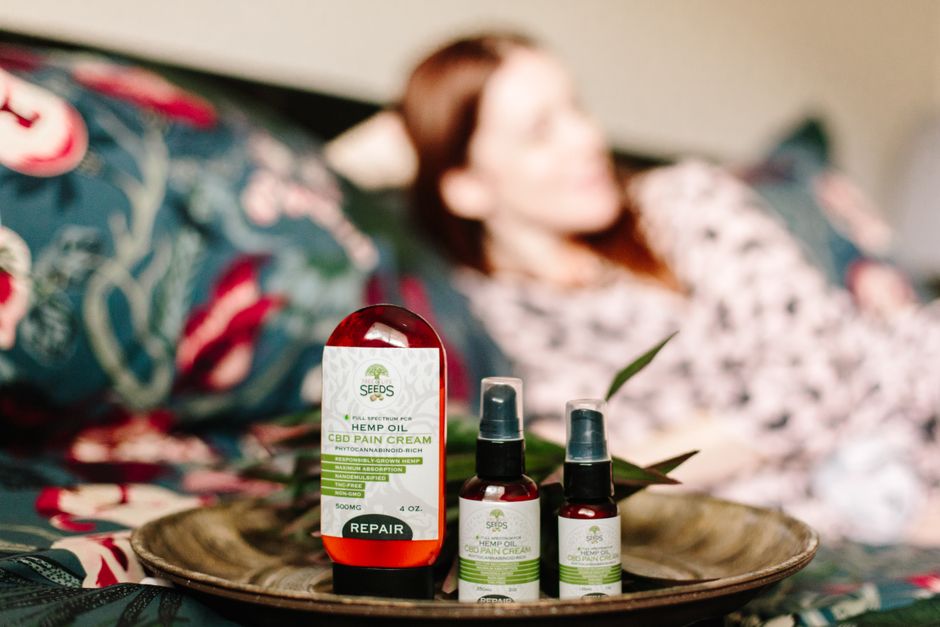
Why rest days matter even when pain isn't present
🦵 Not sure what's causing your knee pain?
Answer 5 quick questions and get a personalised result.
Find My Pattern → 60 seconds · No sign-upYour knee can feel perfectly fine in low-stress situations and still be irritated underneath. This happens because knee pain often follows a delayed pattern. You might feel great all day, do something moderately demanding, and then 6 to 12 hours later—or even the next morning—swelling builds and discomfort returns. Your partner sees the fine morning. They don't see the inflammatory response that's quietly building.
Several things can create this pattern. Inflammation inside the knee joint doesn't always announce itself with immediate pain. You can have increased fluid around the joint, microscopic irritation in the cartilage or tendons, or stress on structures that aren't yet painful but are working harder than they should be. Your nervous system might also be in a protective phase where it's extra sensitive to certain movements, even though the actual damage or irritation is mild. Some people find that certain activities—stairs, squatting, prolonged walking, or repetitive motion—trigger a delayed response even though they felt fine doing them. There's a close connection between this and how to offer practical help when a partner has a knee pain flare — the same structures are usually involved.
Rest days aren't about pain prevention alone. They're also about preventing the cycle where minor irritation becomes major flare-up. When you rest, you're giving your knee time to manage inflammation, allow tissues to recover, and reset your nervous system's sensitivity. Skipping a rest day might feel fine immediately, but it can push you backward in recovery or extend how long the overall problem lasts.
Your partner might think rest is only necessary when pain is obvious. But in reality, rest is often most valuable when you feel okay—that's when you can actually rest without fighting through discomfort, and that's when your body can do genuine recovery work.
How to help your partner see the bigger picture
Be specific about what "okay" actually means. Instead of saying "my knee feels fine," try describing the difference between how it feels sitting down versus standing, or how it felt this morning versus how you expect it to feel after activity. Say something like: "Right now it doesn't hurt, but I know from experience that if I do a 5-mile hike today, I'll have pain and swelling by tomorrow evening." This connects the present feeling to a predictable outcome. Your partner can understand cause and effect more easily than they can understand invisible inflammation.
Show them the pattern over time. If you've been tracking your symptoms—even informally—share that. "Last time I skipped a rest day after feeling okay, I had increased pain for three days afterward." People often believe patterns more readily than they believe single explanations. If you can point to a few examples of what happens when you rest versus when you push, that becomes concrete evidence rather than just your word.
Separate "feeling okay" from "being recovered." Your partner might think that no pain means you're back to normal. Explain that you're somewhere in the middle—your knee is improving but not yet robust enough for full activity. You can feel okay and still be in recovery. This is especially true if you're managing a chronic issue or working through physical therapy. Feeling okay is progress. It's not the same as being ready for everything.
Invite them to notice what happens. Ask your partner to observe the difference between days when you rest and days when you don't. "Can you tell me if you notice any difference in how I'm moving or whether I'm limping more on days after I skip rest?" Sometimes people believe their own observations more than they believe what someone else tells them. If your partner sees the pattern themselves, it becomes their understanding, not just your request.
Use an analogy that fits your situation. Some people find it helpful to compare it to other recovery situations: "It's like how you can feel fine the day after a workout, but if you don't rest between intense training days, you get injured." Or: "My knee is like a sprained ankle that's mostly healed—it feels okay most of the time, but I still need to be careful about what I do with it." The right comparison depends on what your partner already understands.
What to avoid when explaining this
Don't apologize for needing rest. You're not being difficult or dramatic. You're managing a real physical situation.
Don't overstate the risk to try to convince them. If you say "I might cause permanent damage," they might think you're exaggerating, which backfires. Stick to what actually happens: increased pain, swelling, slower recovery. For useful context, is it okay to say no to activities when my knee needs rest tends to have the same mechanical roots and overlapping solutions.
Don't expect them to fully understand without seeing the pattern themselves. This takes time. Most people learn by observing what happens, not by hearing an explanation once.
Don't use rest days as punishment or as a way to avoid activities you just don't want to do. If your partner suspects you're using knee pain as an excuse, trust erodes. Be honest about when you genuinely need rest and when you're choosing not to do something for other reasons.
When to bring in professional perspective
If your partner remains skeptical or frustrated, it can help to have a physical therapist or doctor explain the concept. Sometimes hearing it from a professional carries more weight than hearing it from you. A clinician can explain why rest and recovery matter even when pain isn't present, and they can help your partner understand what realistic activity looks like during your recovery.
This is especially useful if you're uncertain yourself about how much activity is appropriate. A professional can give you both clear guidelines: "Rest days should happen X times per week" or "You can do low-impact activity but avoid high-impact activity." This removes guesswork and gives your partner concrete information.
Safety note: If you have severe pain, significant swelling, a recent injury, fever, numbness, or difficulty bearing weight, speak with a qualified healthcare professional promptly.
Helpful Next Step
As an Amazon Associate, we may earn from qualifying purchases. This does not affect the price you pay.
Helpful Support Option
If this type of knee discomfort shows up during daily movement, light support may help reduce strain on the joint while you work on the underlying cause.
See knee support options on AmazonHelpful Next Step
If gentle support helps during recovery, you can check a simple support option that many people use in daily life. It's worth knowing that deep aching pain inside knee joint at rest follows a very similar pattern and responds to the same kind of approach.
This content is for educational purposes only and does not constitute medical advice. Always consult a qualified healthcare professional for diagnosis and treatment.