🦵 Not sure what's causing it? Take the 5-question knee quiz.
Find My Pattern →Waking Up With Stiff Knees
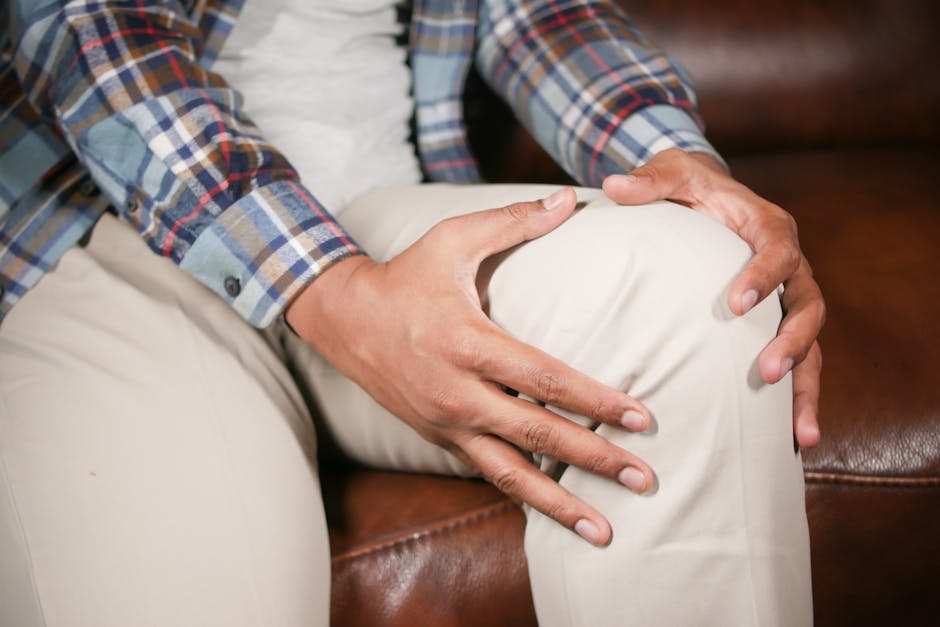
Your alarm goes off and there's that split second before you move—the moment you remember. Your knees are going to be stiff. You've felt it every morning this week, maybe longer. The dread isn't really about pain yet. It's about that first movement. Will today be one where you can swing your legs out of bed normally, or will you need to move slowly, testing each degree of bend before committing your weight? Some mornings the stiffness releases after three steps. Other mornings it takes ten minutes of shuffling around the kitchen before your knees feel like they belong to you again. And the unpredictability is almost worse than the stiffness itself—you never know which version of morning you're getting.

Why Your Knees Feel Locked When You Wake
🦵 Not sure what's causing your knee pain?
Answer 5 quick questions and get a personalised result.
Find My Pattern → 60 seconds · No sign-upMorning stiffness happens because your knees have been still for hours. Synovial fluid—the slippery substance inside your knee joint—pools and thickens when you're not moving. Think of it like oil sitting overnight; it needs time to warm up and flow again. This process can take anywhere from a few minutes to much longer, depending on what's happening in your joint.
Inflammation often plays a role too. If you have osteoarthritis or another joint condition, your body's inflammatory response can be higher in the morning. You might notice the stiffness feels worse on days after you've been more active, or sometimes for no reason you can identify. That unpredictability—waking up some mornings feeling almost normal and others feeling locked tight—is a common pattern that can create real anxiety about what each day will bring. It's worth knowing that knee feels puffy and stiff follows a very similar pattern and responds to the same kind of approach.
Your sleeping position matters more than you might think. If you sleep with your knees bent or in a curled position for eight hours, the joint capsule tightens around that bent angle. Straightening it out requires that fluid to redistribute and the surrounding tissues to lengthen. The longer your knees stay bent while you sleep, the more resistance you may feel when you first move.
Dehydration overnight can also contribute. Your joints rely on water to keep that synovial fluid working properly. If you're not drinking enough during the day, your joints may feel stiffer and more reluctant to move in the morning.
Moving Through the Stiffness Safely
Before your feet touch the floor, try some gentle movement in bed. Straighten one leg slowly, then the other. Flex and point your toes a few times. These small movements begin waking up the joint without asking it to bear your weight. You might hear a creaking or grinding sound—that's often just the joint surfaces moving through that thickened fluid. It usually isn't dangerous, though it can feel alarming.
When you're ready to get up, sit on the edge of the bed for a moment before standing. This isn't just caution; it's giving your knees a transition period. Swing your legs gently, let them dangle. This helps gravity start moving that synovial fluid and lets your body adjust to the shift in weight distribution. Many people find this 30-second pause makes the first steps significantly easier.
Warmth helps unlock stiffness in a way that stretching alone often doesn't. A warm shower or bath—even just 5-10 minutes—can gradually release that morning tightness. The heat increases blood flow to the joint and helps the synovial fluid warm up and flow more freely. You might notice your knees feel noticeably better by the time you step out of the shower, though this relief doesn't always last through the day. This pattern is related to knee pain in both knees at the same time, and the same management principles often apply.
Gentle walking, even just around your home, works better than aggressive stretching when you're stiff. Your natural walking motion gradually increases the joint's range of motion. Pushing into a deep stretch when the joint is cold and stiff can sometimes aggravate things rather than help. Move slowly, let the stiffness ease naturally, and you'll often find that by your 50th step, your knees feel completely different than they did at step five.
Stay hydrated throughout the day, not just in the morning. Drinking water consistently helps your joints maintain that crucial synovial fluid. You might not notice an immediate difference, but over days and weeks, consistent hydration can reduce morning stiffness.
When to Check With a Professional
If your morning stiffness lasts more than an hour most days, gets progressively worse over weeks, or is accompanied by significant pain that doesn't ease with movement and warmth, that's worth mentioning to a healthcare provider. The same goes if the stiffness is only in one knee—that pattern can suggest something specific happening in that joint.
Safety note: If you have severe pain, significant swelling, a recent injury, fever, numbness, or difficulty bearing weight, speak with a qualified healthcare professional promptly.
Frequently Asked Questions
Q: Should I use a knee brace or compression sleeve for waking up with stiff knees?
A: A basic compression sleeve can offer comfort and mild support during activity, and many people find it helpful in the short term. Don't rely on it long-term without also addressing the root cause — whether that's strength, flexibility, or movement patterns.
Q: How long does waking up with stiff knees usually last?
A: This varies a lot depending on the cause. Minor muscle strain or overuse tends to settle within a few days to two weeks with appropriate rest and gentle movement. If it hasn't improved after three weeks — or symptoms are worsening — that's a clear signal to get a professional opinion.
Q: Is it safe to exercise with waking up with stiff knees?
A: Gentle, low-impact movement is often beneficial — walking, swimming, and cycling tend to be well-tolerated. Avoid anything that sharply increases the discomfort. A physiotherapist can help identify which exercises are right for your specific situation and severity.
What To Do Tomorrow Morning
Most people who take early, sensible action recover well. Start with what you can manage today and monitor closely. If things are not improving after a few weeks, that is the right time to bring in professional support.
Helpful Next Step
As an Amazon Associate, we may earn from qualifying purchases. This does not affect the price you pay.
Helpful Support Option
If this type of knee discomfort shows up during daily movement, light support may help reduce strain on the joint while you work on the underlying cause.
See knee support options on AmazonHelpful Next Step
If gentle support helps during recovery, you can check a simple support option that many people use in daily life. People dealing with this frequently also notice knees cave in during squats, particularly after extended periods of inactivity.
This content is for educational purposes only and does not constitute medical advice. Always consult a qualified healthcare professional for diagnosis and treatment.