🦵 Not sure what's causing it? Take the 5-question knee quiz.
Find My Pattern →Knee Pain in Both Knees at the Same Time
Both your knees start hurting at the same time, and it changes everything about how you move through your day. Maybe you notice it when you're climbing stairs — that specific moment when your weight shifts to one leg and both knees protest. Or it happens later in the afternoon, a dull ache that creeps in after what felt like a completely normal day. The frustrating part isn't just the pain itself. It's the mental math you're suddenly doing: which knee do I favor? If I protect the left one, what happens to the right? And underneath all that is a quieter worry — why both at once?
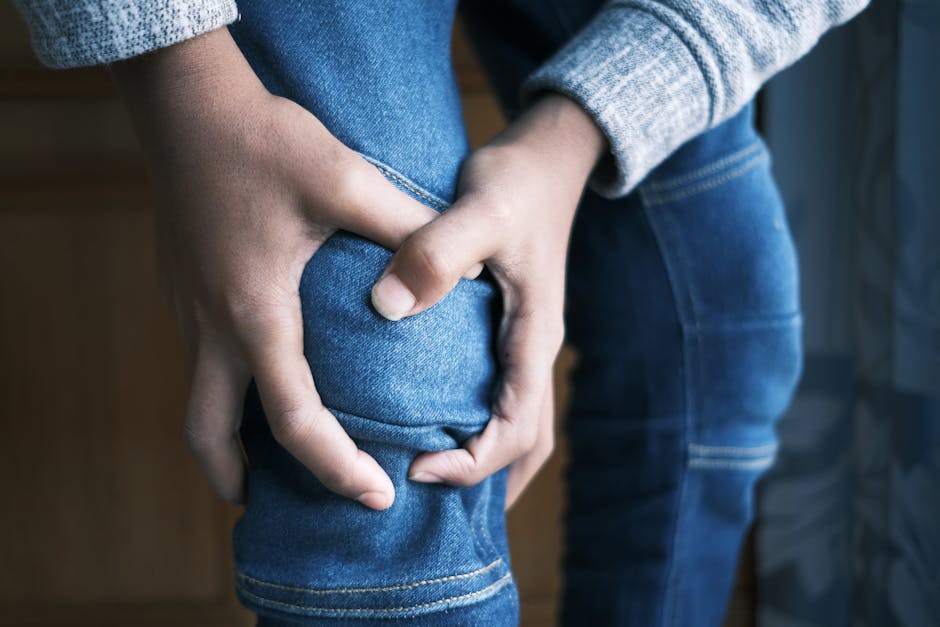
Understanding why both knees hurt simultaneously
🦵 Not sure what's causing your knee pain?
Answer 5 quick questions and get a personalised result.
Find My Pattern → 60 seconds · No sign-upWhen pain shows up in both knees together, it rarely means you injured both knees in the same way. Your body is usually sending a different kind of signal.
One possibility is that you've shifted how you walk or stand to protect something else — a hip, your lower back, an old ankle injury. Over time, this uneven weight distribution loads both knees differently, and they both start to complain. It's not immediate. You might feel fine for weeks, then suddenly both knees are sore by evening. The timing matters: this kind of pain often builds gradually and feels worse after activity, then improves with rest. There's a close connection between this and knee after sitting for a long time — the same structures are usually involved.
Another common pattern is systemic inflammation. Conditions like rheumatoid arthritis, lupus, or other autoimmune conditions often affect both sides of the body symmetrically. This pain typically feels different — less like a sharp, localized ache and more like a pervasive stiffness that takes 20 or 30 minutes to walk through in the morning. You might also notice swelling that appears by evening and mostly disappears by morning, or morning stiffness that's worse in both knees on the same days.
Repetitive activity can also trigger bilateral knee pain, especially if you've increased your activity level recently. Running, cycling, or even a new job that requires more standing can load both knees equally. The pain might be delayed — you feel fine during the activity, then sharp discomfort appears hours later or the next morning.
Sometimes both knees hurt because of how you're built. If you have naturally tight hip flexors, flat arches, or a tendency to lock your knees when standing, both knees absorb the consequences equally. This pain often feels like heaviness or dullness rather than sharp stabbing, and it tends to get worse as the day goes on.
What you can try at home
Start with how you move. Before reaching for anything else, notice when the pain is worst. Is it weight-bearing pain that vanishes when you lie down? Or does it linger even at rest? If it's purely weight-bearing, your immediate goal is reducing load. That might mean using a cane or crutches for a few days — not forever, just enough to interrupt the pattern and give both knees a chance to calm down. This isn't weakness. It's strategic.
Ice can help, but timing matters. If you have swelling, 15 to 20 minutes of ice after activity may reduce inflammation. Some people find ice helps most in the evening, when swelling tends to peak. Others notice the pain is worse first thing in the morning and ice doesn't touch it. Pay attention to what actually changes your sensation, not what you think should work.
Gentle movement often helps more than complete rest. This sounds counterintuitive when both knees hurt, but complete immobility can make stiffness worse. Short walks on flat ground, swimming if you have access, or even just moving your knees through their range of motion while lying down can maintain mobility without loading the joint. The key is gentle — you're not pushing through pain, you're moving within a comfortable range.
Look at what you're doing differently. Have you started a new exercise routine, changed jobs, or spent more time sitting? Sometimes the solution is simply scaling back the activity that triggered the bilateral pain, not eliminating it entirely. A runner might reduce distance by half for a week or two. Someone who just started a standing job might alternate between sitting and standing more frequently.
Pay attention to your footwear and surfaces. Worn-out shoes, high heels, or suddenly spending hours on concrete can load both knees equally and unfavorably. Switching to supportive shoes or softer surfaces may reduce pain without any other intervention.
When to reach out to a professional
If your bilateral knee pain is new and came on suddenly, or if it's been present for more than a few weeks without improvement, a healthcare provider can help figure out what's actually happening. This is especially important if the pain feels symmetrical and is accompanied by morning stiffness, fatigue, or swelling in other joints — these patterns can point toward systemic conditions that benefit from specific treatment.
Also seek professional guidance if the pain is preventing you from sleeping, if you're unable to bear weight on both legs, or if you're noticing that favoring one knee is causing pain elsewhere (hip, ankle, or lower back). A physical therapist can identify movement patterns that might be contributing and help you adjust them.
Safety note: If you have severe pain, significant swelling, a recent injury, fever, numbness, or difficulty bearing weight, speak with a qualified healthcare professional promptly.
Frequently Asked Questions
Q: Can stretching help with knee pain in both knees at the same time?
A: Gentle stretching of the quadriceps, hamstrings, calves, and hip flexors can reduce the muscular tension that contributes to knee discomfort. A sustained, comfortable hold of 20 to 30 seconds is far more effective and safer than aggressive or bouncing stretches.
Q: Can I still walk normally when I have knee pain in both knees at the same time?
A: Many people manage normal walking despite this kind of discomfort. If walking causes you to limp or noticeably change your gait, though, that's worth addressing — compensating patterns often create new problems in the hips, lower back, or opposite knee over time.
Q: Is it safe to exercise with knee pain in both knees at the same time?
A: Gentle, low-impact movement is often beneficial — walking, swimming, and cycling tend to be well-tolerated. Avoid anything that sharply increases the discomfort. A physiotherapist can help identify which exercises are right for your specific situation and severity.
One Thing to Try First
Most people who take early, sensible action recover well. Start with what you can manage today and monitor closely. If things are not improving after a few weeks, that is the right time to bring in professional support.
Helpful Next Step
As an Amazon Associate, we may earn from qualifying purchases. This does not affect the price you pay.
Helpful Support Option
If this type of knee discomfort shows up during daily movement, light support may help reduce strain on the joint while you work on the underlying cause.
See knee support options on AmazonHelpful Next Step
If gentle support helps during recovery, you can check a simple support option that many people use in daily life. If you also experience knees cave in during squats, the two issues often share the same underlying cause.
This content is for educational purposes only and does not constitute medical advice. Always consult a qualified healthcare professional for diagnosis and treatment.