🦵 Not sure what's causing it? Take the 5-question knee quiz.
Find My Pattern →Knee Feels Puffy and Stiff
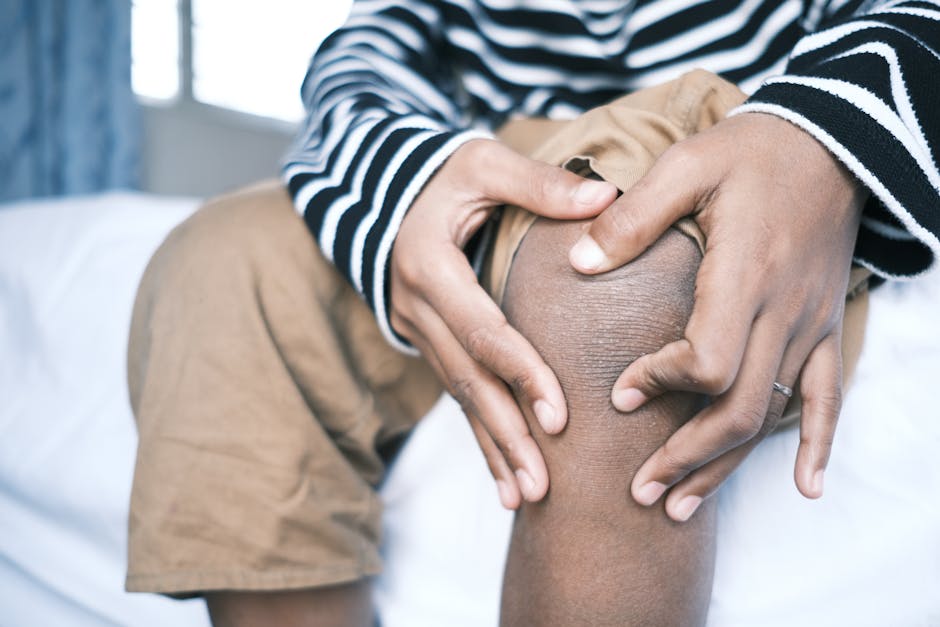
That moment when you stand up after sitting through a long meeting and your knee feels thick, tight, almost waterlogged — like something's taking up space where it shouldn't be. You can walk, but there's a heaviness to it. The stiffness is worst in the first few steps, then gradually eases as you move around. By evening it might feel almost normal again, only to wake up the next morning and feel it all over again. This cycle of puffiness and stiffness, especially when it's visible to the eye and you can feel the tightness around the kneecap, creates a nagging uncertainty: is this something that will go away on its own, or is something actually wrong?
What causes the swelling and tightness
Puffiness around the knee usually means fluid has accumulated in the joint space or surrounding tissues. This happens for several reasons, and identifying which one applies to you matters for how you respond. If you also experience stiff knee when i first get up, the two issues often share the same underlying cause.
Overuse without enough recovery is one of the most common culprits. You don't need a dramatic injury — increased activity, a longer walk than usual, extra time on stairs, or even a change in how you're moving can trigger fluid buildup. The swelling often appears hours after the activity, or sometimes the next morning, which is why it can feel disconnected from what you actually did.
Inflammation from minor irritation can develop when the tissues inside or around the knee are aggravated. This might be the lining of the joint, the bursa (small fluid-filled sacs that cushion the knee), or the tissues under the kneecap. The body responds by producing extra fluid to protect the area, which creates that puffy sensation.
Reduced movement or immobility has a counterintuitive effect: when your knee stays still for extended periods, fluid can pool there. This is why stiffness is often worst after sleep or after sitting through a long stretch without moving. The swelling may actually reduce as you move around, because movement helps redistribute the fluid.
Underlying joint irritation from conditions like osteoarthritis or other joint issues can cause persistent puffiness and stiffness. This type of swelling tends to be more consistent day to day, rather than appearing and disappearing based on activity level.
Practical steps to reduce puffiness and ease stiffness
Start with gentle movement early. The stiffness you feel in your first few steps after waking or after sitting isn't always a sign to avoid movement — it's often a sign you need it. Slow, controlled movement helps the joint fluid distribute and the muscles activate. Walk around your home for a few minutes before attempting stairs or more demanding activity. This isn't vigorous exercise; it's just moving the knee through its comfortable range to wake it up.
Apply cold strategically, especially after activity. If you've done something that increased your swelling, ice can help reduce inflammation. Twenty minutes of cold (wrapped in a thin cloth, not directly on skin) applied after activity, or several times throughout the day if the puffiness is significant, can make a difference. The key is timing — ice works better when applied soon after the activity that triggered the swelling.
Elevate when the swelling is most noticeable. This works best in the evening or when you're sitting still anyway. Prop your leg up so the knee is above hip level for 15–20 minutes. Gravity helps fluid drain away from the joint. You might notice the puffiness visibly reduce during this time, which can be reassuring.
Pay attention to what movement patterns increase the swelling. Does it get worse after stairs, after prolonged sitting, or after walking longer distances? Once you identify the trigger, you can modify that activity slightly — taking stairs more slowly, standing up and moving every 30 minutes if you're sitting, or breaking a longer walk into shorter segments. This isn't about avoiding movement entirely; it's about finding the threshold where your knee swells noticeably and staying just under it while you recover.
Gentle compression can provide relief. A simple compression sleeve or wrap around the knee (not too tight — you should be able to slip a finger under it) can reduce the sensation of looseness and may help contain some of the swelling. Many people find this makes movement feel more stable and less uncomfortable, even if it doesn't eliminate the puffiness entirely.
Not sure what's causing your knee pain? Take our 5-question quiz to find your pattern — Start the quiz →
When to talk to a healthcare professional
Mild puffiness and stiffness that improves with movement and reduces overnight is common and often settles on its own with reduced activity. But some situations need professional evaluation.
Seek care if the swelling is severe enough that you can't see the normal contours of your knee, if the stiffness prevents you from straightening or bending your leg, or if the puffiness persists despite rest and elevation. Also see a professional if the swelling appeared suddenly after an injury, if you have warmth or redness around the knee, if you're experiencing sharp pain alongside the puffiness, or if the swelling is only on one side and doesn't improve within a week or two of modified activity.
Safety note: If you have severe pain, significant swelling, a recent injury, fever, numbness, or difficulty bearing weight, speak with a qualified healthcare professional promptly.
Frequently Asked Questions
Q: Should I apply heat or ice to a painful knee?
A: Cold — ice wrapped in a cloth — works better for acute flare-ups, particularly in the first 24 to 48 hours when the area feels warm or inflamed. Gentle heat tends to be more helpful for muscle stiffness and chronic, recurring aches. Never apply either directly to bare skin.
Q: Why does my knee feel worse after sitting for a long time?
A: This pattern — stiffness or pain after prolonged sitting that eases once you move around — is a hallmark of irritation around the kneecap or the soft tissues surrounding it. The joint stiffens in a flexed position, and the first movement disturbs it. Most people find it settles within a minute or two of walking.
Q: Can stretching help with knee feels puffy and stiff?
A: Gentle stretching of the quadriceps, hamstrings, calves, and hip flexors can reduce the muscular tension that contributes to knee discomfort. A sustained, comfortable hold of 20 to 30 seconds is far more effective and safer than aggressive or bouncing stretches.
A Simple Next Step
Most people who take early, sensible action recover well. Start with what you can manage today and monitor closely. If things are not improving after a few weeks, that is the right time to bring in professional support.
Helpful Next Step
As an Amazon Associate, we may earn from qualifying purchases. This does not affect the price you pay.
Helpful Support Option
Cold therapy wraps can help manage inflammation and reduce discomfort after activity. They're a simple, low-effort addition to a broader self-management routine.
See cold therapy knee optionsWant a more personalised recommendation? Take the 5-question quiz →
Helpful Next Step
If gentle support helps during recovery, you can check a simple support option that many people use in daily life. For useful context, why is my knee stiff in the morning tends to have the same mechanical roots and overlapping solutions.
This content is for educational purposes only and does not constitute medical advice. Always consult a qualified healthcare professional for diagnosis and treatment.