🦵 Not sure what's causing it? Take the 5-question knee quiz.
Find My Pattern →Knees Cave in During Squats
Somewhere around rep 8 or 9, your knees start rolling inward. It's not always obvious at first—maybe you notice your weight shifting to the inside of your foot, or you feel a split-second of instability at the bottom of the squat where you'd normally feel solid. By the final reps, it's undeniable: both knees (or sometimes just one) are caving inward, and you either have to stop or push through feeling mechanically wrong. The frustration is real, especially because you know what you're supposed to do—keep them tracking over your toes—but your body isn't cooperating mid-set.
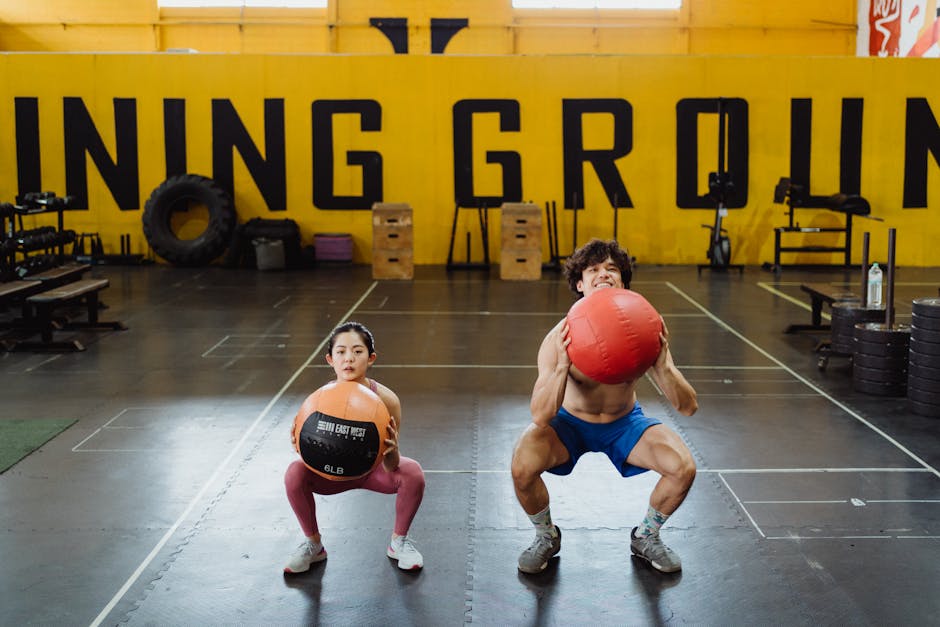
Why your knees collapse inward during squats
🦵 Not sure what's causing your knee pain?
Answer 5 quick questions and get a personalised result.
Find My Pattern → 60 seconds · No sign-upKnees cave inward during squats for several overlapping reasons, and understanding which ones apply to you matters for what you try next. This pattern is related to knee pain after gym squats, and the same management principles often apply.
Fatigue in your outer hip and glute muscles. Your gluteus medius (the muscle on the outer hip) is responsible for keeping your knee stable and pointing forward. When this muscle fatigues—which happens faster than you might expect—it can't hold your knee in place anymore. This is why the cave-in often happens in the later reps rather than from the first rep. The next day, you might notice soreness or tightness on the outer hip, which is a clue that this muscle was working hard to compensate, not that it was working effectively.
A strength imbalance between sides. If one knee caves in noticeably more than the other, it often points to an old injury, a habit of favoring one leg, or uneven strength from your movement history. One side's stabilizers may have never fully caught up to the other. This asymmetry is worth noticing because it tells you which side needs more attention.
Fear or hesitation at depth. Sometimes the cave-in is partly a protective response. If you've felt unstable before, your nervous system may be pulling your knee inward as a bracing mechanism—even if the actual structural strength is there. This creates a frustrating loop: you feel unstable, so you unconsciously stabilize by caving in, which creates the instability you were afraid of.
Weight distribution shifting forward or inward. If your weight rolls toward the inside of your foot as you squat deeper, your knee follows. This can happen because your ankles lack mobility, your core isn't engaged enough to keep you upright, or your foot arch is collapsing. The knee doesn't cave because it wants to—it caves because your center of gravity has shifted and the knee is trying to stay under your body.
What to try carefully
Start with lighter weight or even bodyweight squats while you rebuild stability. The goal isn't to build strength in the traditional sense right now—it's to teach your body what stable feels like.
Pause at the bottom. Hold the bottom position of your squat for 2–3 seconds before standing back up. This pause removes momentum and forces your stabilizer muscles to work continuously rather than just briefly. You'll feel which muscles are actually engaged and which are slacking. If your knees want to cave during the pause, you've found your real limit—not your strength limit, but your stability limit.
Cue your weight into your heels and outer foot. As you squat down, actively think about pressing your weight into your heels and the outside edge of your foot. This shifts your center of gravity away from the inward collapse pattern. It sounds simple, but the cue changes where your muscles fire and how your knee tracks. Many people find this single shift prevents the cave-in without needing to change anything else.
Strengthen your outer hip in isolation first. Lateral band walks, side-lying leg lifts, and clamshells can help, but the timing matters. Do these before your main squat work, not after, so your glute medius is fresh and can learn the pattern. Even 2–3 sets of 12 reps can prime the muscle. The goal is to build a neurological connection—your brain learning to fire this muscle—not just to build strength.
Reduce depth temporarily. Squat only as deep as you can while keeping your knees tracking straight. This might mean quarter-squats or half-squats for a few weeks. As your stabilizers adapt, depth will return naturally. Pushing past your stability limit teaches your body the wrong pattern.
Brace your core before each rep. Take a breath into your belly, tighten your core as if bracing for a punch, then squat. A braced core keeps your torso upright and your center of gravity centered, which takes pressure off your knees to stabilize sideways. This is one of those things that sounds obvious but makes a real difference when you actually do it consistently.
When to see a professional
If the cave-in is accompanied by sharp pain (not just discomfort or fatigue), if one knee is noticeably swollen, or if the instability doesn't improve after 2–3 weeks of careful practice, a physical therapist or sports medicine professional can assess your specific movement pattern and rule out structural issues.
Safety note: If you have severe pain, significant swelling, a recent injury, fever, numbness, or difficulty bearing weight, speak with a qualified healthcare professional promptly.
Frequently Asked Questions
Q: How long does knees cave in during squats usually last?
A: This varies a lot depending on the cause. Minor muscle strain or overuse tends to settle within a few days to two weeks with appropriate rest and gentle movement. If it hasn't improved after three weeks — or symptoms are worsening — that's a clear signal to get a professional opinion.
Q: Should I use a knee brace or compression sleeve for knees cave in during squats?
A: A basic compression sleeve can offer comfort and mild support during activity, and many people find it helpful in the short term. Don't rely on it long-term without also addressing the root cause — whether that's strength, flexibility, or movement patterns.
Q: Is it normal to hear clicking sounds alongside knees cave in during squats?
A: Joint sounds are extremely common and usually harmless — they often come from gas bubbles in the joint fluid or tendons flicking over bony prominences. If the clicking is painless and your knee functions normally, it's generally nothing to worry about. If it's accompanied by pain or swelling, mention it to a healthcare professional.
Where to Go From Here
Most people who take early, sensible action recover well. Start with what you can manage today and monitor closely. If things are not improving after a few weeks, that is the right time to bring in professional support.
Helpful Next Step
As an Amazon Associate, we may earn from qualifying purchases. This does not affect the price you pay.
Helpful Support Option
Resistance bands are commonly used in knee rehabilitation to build quad and glute strength without placing heavy load on the joint. A useful addition to a home exercise routine.
See resistance band optionsHelpful Next Step
If gentle support helps during recovery, you can check a simple support option that many people use in daily life. For useful context, knee pain when doing squats tends to have the same mechanical roots and overlapping solutions.
This content is for educational purposes only and does not constitute medical advice. Always consult a qualified healthcare professional for diagnosis and treatment.