🦵 Not sure what's causing it? Take the 5-question knee quiz.
Find My Pattern →Swollen Knee With No Injury
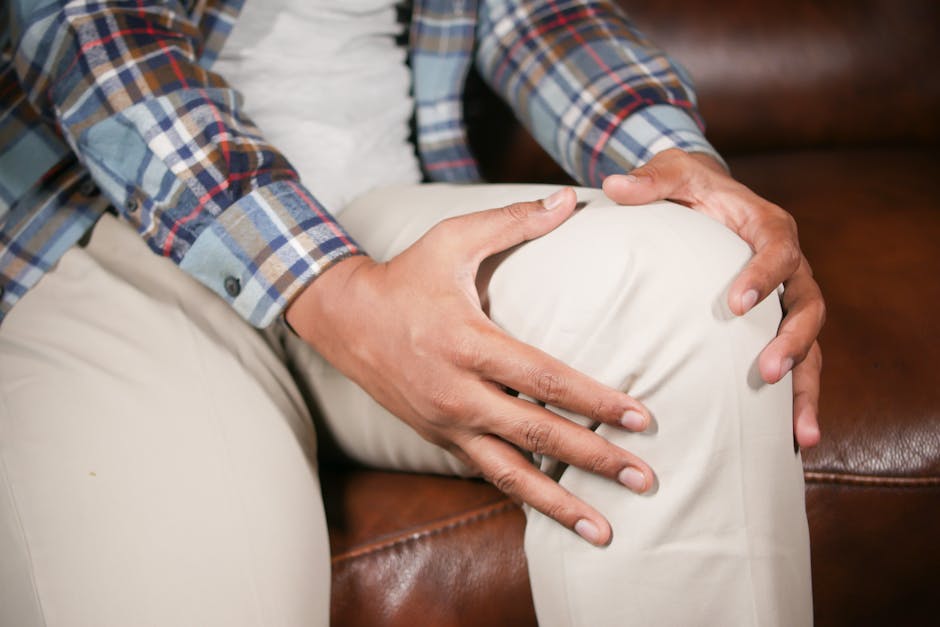
Your knee looks puffy when you wake up, but you didn't fall or twist it. You didn't remember any moment of impact. The swelling might have crept in slowly over days, or appeared overnight without warning. What makes it frustrating is that the swelling is real—you can see it, feel the tightness around your kneecap—yet people often dismiss it because there's no dramatic story attached. No sports injury. No accident. Just a knee that's decided to swell, and you're left wondering why.

The psychological weight of invisible symptoms can be heavier than the physical sensation itself. You start second-guessing whether it's serious enough to mention, whether you're overreacting, whether it will simply disappear on its own. Meanwhile, the swelling persists, and the uncertainty becomes its own kind of discomfort.
What's likely causing the swelling
Several conditions can trigger knee swelling without any obvious injury. Understanding what might be happening can help you feel less anxious about what comes next.
Inflammation from overuse may develop gradually if your knee has been working harder than usual—even in ways that don't feel dramatic. Increased walking, longer standing shifts at work, or a change in your exercise routine can irritate the tissues around your knee. The swelling isn't from a single moment of damage; it's a slow accumulation of stress that your knee finally signals through puffiness.
Fluid buildup can happen when your knee joint produces extra synovial fluid (the lubricant inside the joint). This may occur with conditions like bursitis, where a small fluid-filled sac near the knee becomes inflamed, or with early-stage arthritis, where the joint begins to react to wear and tear. The sensation is often a dull, heavy feeling rather than sharp pain—like your knee is slightly waterlogged.
Systemic inflammation from conditions such as rheumatoid arthritis, lupus, or other autoimmune responses can cause swelling in multiple joints or just your knee. These conditions affect your body's immune system and can produce swelling that seems to appear without a triggering event. You might notice the swelling is worse at certain times of day—often in the morning when you first wake, or after prolonged rest.
Circulatory or lymphatic issues can also lead to fluid retention around the knee. If your circulation is sluggish or your lymphatic system isn't draining fluid efficiently, swelling may develop. This is sometimes worse by evening after you've been standing or sitting for extended periods.
How to manage the swelling at home
Start with practical steps that can reduce swelling and give you a clearer picture of what's happening.
Ice in short, frequent sessions works better than you might expect. Apply ice for 15 minutes, then remove it for at least 30 minutes before reapplying. Many people find that doing this three to four times daily reduces swelling more effectively than longer, less frequent applications. The key is consistency—the swelling often responds to regular cold exposure rather than occasional treatment.
Elevation while lying down is particularly effective if you can manage it. Lie on your back and place a pillow under your knee so it's bent slightly, then add another pillow or two under your calf to raise your leg above heart level. This position allows fluid to drain naturally from the knee. Many people notice the difference within 20 to 30 minutes. If you can do this for 15–20 minutes in the afternoon and again before bed, the swelling often diminishes noticeably by morning.
Gentle movement matters more than complete rest. Lying still all day can actually make swelling worse because fluid pools in the joint. Instead, try slow, pain-free movements: straighten and gently bend your knee while sitting, take short walks on flat ground, or do gentle range-of-motion exercises. Movement helps your lymphatic system drain fluid away from the knee.
Anti-inflammatory medication like ibuprofen or naproxen can help reduce swelling, though they work best when combined with ice and elevation rather than used alone. Take them as directed on the package, and don't assume that more frequent dosing will speed results—consistency matters more than quantity.
Compression sleeves or wraps provide gentle, sustained pressure that can prevent fluid from accumulating. Wear one during the day, especially if you're standing or sitting for long periods. Remove it before bed to avoid restricting circulation overnight.
Not sure what's causing your knee pain? Take our 5-question quiz to find your pattern — Start the quiz →
When to talk to a healthcare professional
If your swelling persists beyond two weeks despite home care, or if it worsens, schedule an appointment. Also seek professional guidance if the swelling is accompanied by warmth, redness, or if your knee feels unstable when you walk. If you notice the swelling is only in one knee while the other is fine, that's worth mentioning to a doctor—it can help narrow down the cause.
Pay attention to how the swelling changes throughout the day. Does it peak in the evening? Is it worst after you've been sitting? Does it improve with elevation? Write down these patterns before your appointment—they provide valuable clues.
Safety note: If you have severe pain, significant swelling, a recent injury, fever, numbness, or difficulty bearing weight, speak with a qualified healthcare professional promptly.
Frequently Asked Questions
Q: Is it normal to hear clicking sounds alongside swollen knee with no injury?
A: Joint sounds are extremely common and usually harmless — they often come from gas bubbles in the joint fluid or tendons flicking over bony prominences. If the clicking is painless and your knee functions normally, it's generally nothing to worry about. If it's accompanied by pain or swelling, mention it to a healthcare professional.
Q: Should I use a knee brace or compression sleeve for swollen knee with no injury?
A: A basic compression sleeve can offer comfort and mild support during activity, and many people find it helpful in the short term. Don't rely on it long-term without also addressing the root cause — whether that's strength, flexibility, or movement patterns.
Q: Why does my knee feel worse after sitting for a long time?
A: This pattern — stiffness or pain after prolonged sitting that eases once you move around — is a hallmark of irritation around the kneecap or the soft tissues surrounding it. The joint stiffens in a flexed position, and the first movement disturbs it. Most people find it settles within a minute or two of walking.
What To Do Tomorrow Morning
Most people who take early, sensible action recover well. Start with what you can manage today and monitor closely. If things are not improving after a few weeks, that is the right time to bring in professional support.
Helpful Next Step
As an Amazon Associate, we may earn from qualifying purchases. This does not affect the price you pay.
Helpful Support Option
Cold therapy wraps can help manage inflammation and reduce discomfort after activity. They're a simple, low-effort addition to a broader self-management routine.
See cold therapy knee optionsWant a more personalised recommendation? Take the 5-question quiz →
Helpful Next Step
If gentle support helps during recovery, you can check a simple support option that many people use in daily life.
This content is for educational purposes only and does not constitute medical advice. Always consult a qualified healthcare professional for diagnosis and treatment.