🦵 Not sure what's causing it? Take the 5-question knee quiz.
Find My Pattern →Medial Knee Pain When Running
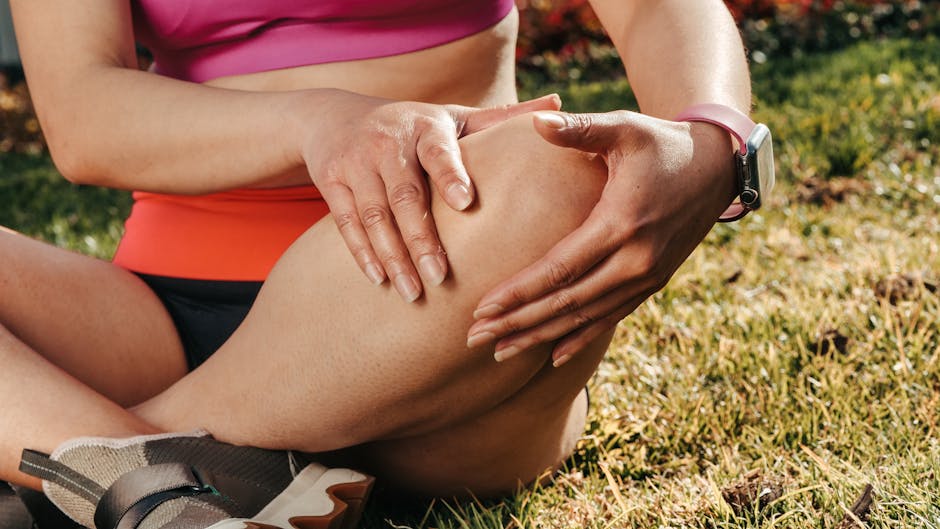
You make it through the first mile fine. Your breathing settles, your legs feel warm, and you're in the rhythm. Then somewhere around mile two or three, a sharp pinch appears on the inside of your knee—the side closest to your other leg. It's not a surface pain. It feels like it's coming from inside the joint itself. You keep going, hoping it'll ease, but it either stays constant or gets worse. When you stop, it vanishes almost completely. The next morning, though, it's back with a dull ache that feels worse than it did yesterday, as if your knee stiffened up overnight and is punishing you for resting.
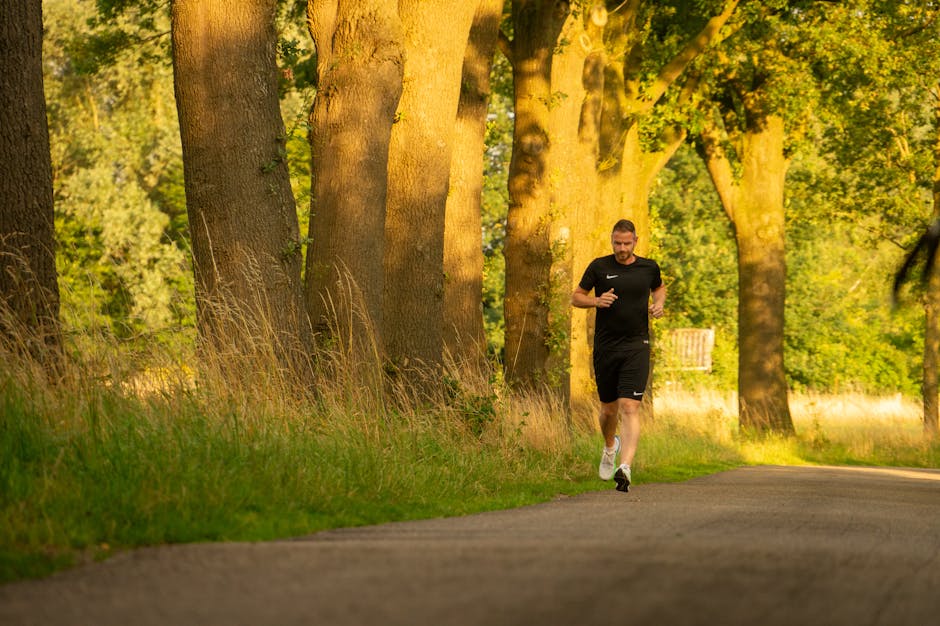
This is medial knee pain, and it's one of the most frustrating injuries for runners because it doesn't always feel like an injury. It feels like a warning that something's off, but you're not sure what.
Why the inside of your knee hurts during running
Medial knee pain when running usually comes down to a few connected reasons, and they're rarely just one thing. For useful context, knee pain after running tends to have the same mechanical roots and overlapping solutions.
Imbalance in how your leg works. Your thigh muscles don't pull your knee straight. Instead of tracking directly over your foot, your knee caves inward slightly—what runners call valgus collapse. This happens because your hip and glute muscles aren't strong enough to stabilize your leg, or because your inner thigh muscles are doing too much of the work while the outer muscles check out. The repetitive impact of running amplifies this small misalignment until the inner knee structures start to protest.
Tight muscles pulling on the inside of your knee. Your adductors (the muscles on your inner thigh) can become overactive and tight, especially if you've increased your mileage quickly or if you're running on cambered surfaces like road shoulders. Tight muscles don't move smoothly, and they can alter how your knee bends and straightens with each stride.
Your foot rolling inward too much. If your arch collapses excessively when your foot lands—overpronation—it sends a chain reaction up your leg. Your shin rotates inward, your knee follows, and the inner structures of your knee take the brunt of the force. This is particularly noticeable on downhill running, where gravity pushes your foot into the ground harder.
Fatigue and accumulated stress. Pain that gets worse after rest, or pain that only appears when you're tired, often points to accumulated load rather than a structural problem. Your muscles are fatigued and can't stabilize your knee properly. Stress, poor sleep, and training without enough recovery days compound this. Your body simply can't manage the demand.
What you can try
Start by looking at what you're doing differently. Did you increase your weekly mileage by more than 10 percent? Did you add hill repeats? Did you switch shoes? Did you start running on a new route? These changes matter more than you might think, because medial knee pain often appears not because something is weak, but because you've asked your body to do more than it's ready for.
Reduce your running volume temporarily. Not rest completely—that can actually make the stiffness worse—but run shorter distances or take an extra day off each week. Many runners find that backing off by 20-30 percent for two to three weeks gives the knee time to settle while keeping some fitness. The psychological relief of not losing your running identity entirely is real, and it matters for recovery.
Pay attention to terrain. If downhill running triggers the pain immediately, avoid it for now. Flat ground is gentler on medial structures. Uphill running actually reduces impact and can feel better. Test this yourself—your knee will tell you what it tolerates.
Address tightness in your inner thigh and hip. Foam rolling your adductors (the inner thigh) and glutes, or using a lacrosse ball on the tender spots, can help. Stretching your hip flexors and inner thigh after runs may also ease some of the tension. These feel less dramatic than strength exercises, but they address the pulling sensation that often accompanies medial knee pain.
Strengthen your hips and glutes in ways that feel relevant. Single-leg work matters more than bilateral exercises—single-leg deadlifts, single-leg step-ups, or side-lying hip abduction. These force your hip muscles to work the way they do when you run, which is why they feel less pointless than generic squats.
Check your running shoes. Worn-out cushioning or shoes that don't match your foot strike can contribute. If your shoes are more than 300-500 miles old, or if you've recently switched to something very different, that's worth considering.
Not sure what's causing your knee pain? Take our 5-question quiz to find your pattern — Start the quiz →
When to see a professional
If your pain is sharp and severe, if your knee swells noticeably, if you can't put weight on it, or if the pain doesn't improve after two to three weeks of reduced running, see a physical therapist or doctor. They can assess whether there's damage to the cartilage or ligaments, and they can identify specific weaknesses that are hard to spot on your own. If you also experience knee pain from running on concrete, the two issues often share the same underlying cause.
Also reach out if the pain appears suddenly after an injury, if you have numbness or tingling, or if you have fever alongside the knee pain.
Safety note: If you have severe pain, significant swelling, a recent injury, fever, numbness, or difficulty bearing weight, speak with a qualified healthcare professional promptly.
Frequently Asked Questions
Q: Can I still walk normally when I have medial knee pain when running?
A: Many people manage normal walking despite this kind of discomfort. If walking causes you to limp or noticeably change your gait, though, that's worth addressing — compensating patterns often create new problems in the hips, lower back, or opposite knee over time.
Q: Is it normal to hear clicking sounds alongside medial knee pain when running?
A: Joint sounds are extremely common and usually harmless — they often come from gas bubbles in the joint fluid or tendons flicking over bony prominences. If the clicking is painless and your knee functions normally, it's generally nothing to worry about. If it's accompanied by pain or swelling, mention it to a healthcare professional.
Q: Can stretching help with medial knee pain when running?
A: Gentle stretching of the quadriceps, hamstrings, calves, and hip flexors can reduce the muscular tension that contributes to knee discomfort. A sustained, comfortable hold of 20 to 30 seconds is far more effective and safer than aggressive or bouncing stretches.
A Simple Next Step
Most people who take early, sensible action recover well. Start with what you can manage today and monitor closely. If things are not improving after a few weeks, that is the right time to bring in professional support.
Helpful Next Step
As an Amazon Associate, we may earn from qualifying purchases. This does not affect the price you pay.
Helpful Support Option
Runners dealing with this kind of knee discomfort often find that a well-fitted compression sleeve helps stabilise the joint and manage irritation during lower-intensity training sessions.
See knee sleeves for runningWant a more personalised recommendation? Take the 5-question quiz →
Helpful Next Step
If gentle support helps during recovery, you can check a simple support option that many people use in daily life. If you also experience knee pain front of kneecap when running, the two issues often share the same underlying cause.
This content is for educational purposes only and does not constitute medical advice. Always consult a qualified healthcare professional for diagnosis and treatment.