🦵 Not sure what's causing it? Take the 5-question knee quiz.
Find My Pattern →Knee Pain From Running on Concrete
Running on concrete feels fine for the first couple of miles. Then somewhere around mile two or three, a sharp sensation develops just below or around the kneecap—not unbearable, but noticeable enough that you start thinking about it with every stride. Sometimes it fades by mile five, which makes you wonder if you imagined it. Other times it lingers, and you finish the run questioning whether you just had a normal training day or did something you'll regret tomorrow morning when climbing stairs feels like wading through wet sand.
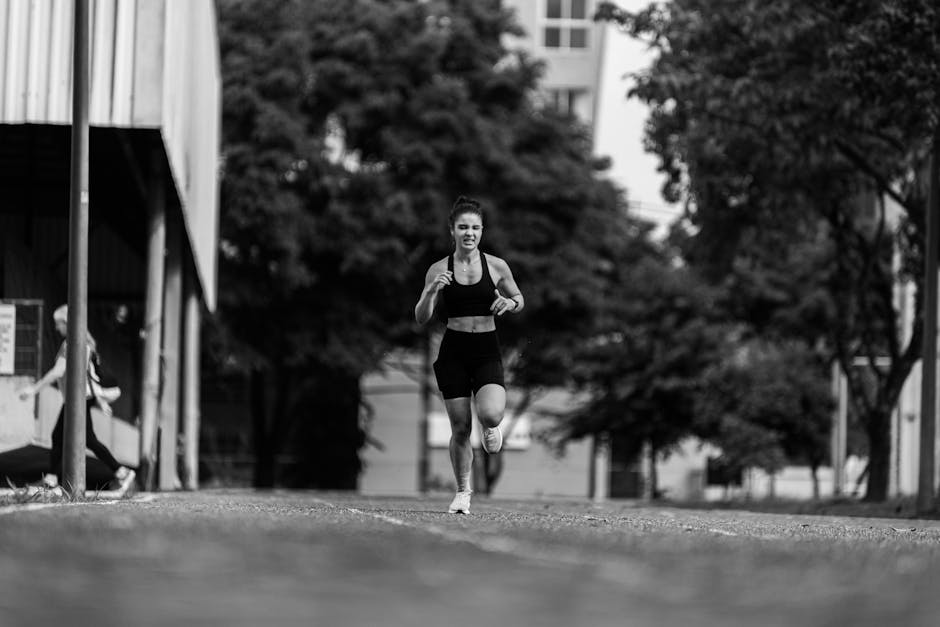
The delayed pain is what catches most runners off guard. The run itself might feel manageable, but six to eight hours later—sitting at your desk, or after dinner—a dull, heavy ache settles in. You didn't feel it while moving, which is confusing. It makes the injury feel less real, less urgent, even though that delayed response is often a sign your knee was working harder than it should have been.
Why concrete running stresses your knees
Concrete is unforgiving in ways that dirt trails or synthetic tracks aren't. Every footfall sends a shock wave up through your leg, and your knee absorbs much of that impact. The ground doesn't give. Your joints have to. There's a close connection between this and knee pain after running — the same structures are usually involved.
When you run on concrete repeatedly, your knee joint experiences cumulative stress. The cartilage that cushions your knee can become irritated, especially if you've recently increased your mileage or if you're running several days in a row without adequate recovery. The tissues around your kneecap—the tendons and ligaments—can also tighten or inflame from the repetitive pounding.
Muscle imbalances play a role too. If your hip muscles are weak or tight, your knee compensates by tracking slightly inward or outward with each step. On a forgiving surface, you might not notice. On concrete, that misalignment compounds over miles and creates localized pain.
Age and previous injuries matter as well. If you've had knee problems before, concrete running can reawaken old patterns of pain or weakness, even if you thought you'd fully recovered.
What you can try
Vary your running surface. This is different from simply "run on softer ground"—it's about strategic mixing. If you're running three or four times a week, try doing one or two runs on grass, a track, or a treadmill, and reserve your concrete runs for when you're feeling fresh and strong. Your knee doesn't adapt well to sudden changes, so make this transition gradually over two to three weeks.
Check your shoes for wear patterns. Look at the soles of your current running shoes. If the inner or outer edge is worn down significantly more than the rest, your shoes may be amplifying an existing alignment issue. Worn shoes also lose cushioning, which means more shock reaches your knee. You don't necessarily need expensive orthotics—sometimes a fresh pair of shoes designed for your foot type makes a real difference.
Build in a genuine recovery day. This doesn't mean a rest day where you're completely sedentary. It means a day with no running where you do light movement—a short walk, gentle stretching, or easy cycling. The difference between running hard on consecutive days and running hard with a recovery day between them is significant for knee pain. Your tissues need time to calm down.
Pay attention to warm-up and cool-down. A five-minute easy jog before your run and another five minutes afterward isn't wasted time. It gives your knee a chance to gradually adjust to impact rather than shocking your system with hard effort right away. Many runners skip this on concrete runs specifically because they feel "safer" on the hard surface, but that's when you need it most.
Notice patterns in your pain timing. Keep a simple note of when pain appears—during the run, hours later, the next morning. If pain consistently shows up at mile three, you might be running too hard too soon in your workout. If it's the delayed ache that bothers you, you may be doing too much volume. This information helps you make smarter decisions about whether to adjust intensity, distance, or frequency.
Not sure what's causing your knee pain? Take our 5-question quiz to find your pattern — Start the quiz →
When to seek professional help
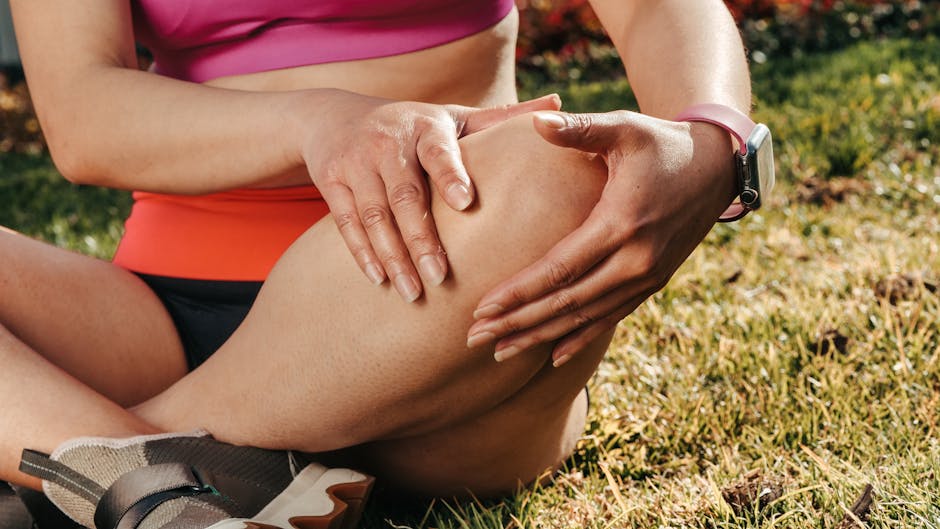
If your knee pain is sharp, severe, or accompanied by significant swelling, you should see someone right away. The same goes if you're unable to bear weight on your leg, if you hear a loud pop or crack during running, or if the pain doesn't improve after two to three weeks of modified activity. This pattern is related to knee pain front of kneecap when running, and the same management principles often apply.
Mild pain that comes and goes, clicking or grinding sensations, and stiffness that improves after a few minutes of movement are common with overuse, but they're still worth mentioning to a healthcare provider if they persist. A physical therapist can identify specific muscle weaknesses or movement patterns that are contributing to your pain—information that generic advice can't provide.
Safety note: If you have severe pain, significant swelling, a recent injury, fever, numbness, or difficulty bearing weight, speak with a qualified healthcare professional promptly.
Frequently Asked Questions
Q: How long does knee pain from running on concrete usually last?
A: This varies a lot depending on the cause. Minor muscle strain or overuse tends to settle within a few days to two weeks with appropriate rest and gentle movement. If it hasn't improved after three weeks — or symptoms are worsening — that's a clear signal to get a professional opinion.
Q: Why does my knee feel worse after sitting for a long time?
A: This pattern — stiffness or pain after prolonged sitting that eases once you move around — is a hallmark of irritation around the kneecap or the soft tissues surrounding it. The joint stiffens in a flexed position, and the first movement disturbs it. Most people find it settles within a minute or two of walking.
Q: Should I use a knee brace or compression sleeve for knee pain from running on concrete?
A: A basic compression sleeve can offer comfort and mild support during activity, and many people find it helpful in the short term. Don't rely on it long-term without also addressing the root cause — whether that's strength, flexibility, or movement patterns.
What To Do Tomorrow Morning
Most people who take early, sensible action recover well. Start with what you can manage today and monitor closely. If things are not improving after a few weeks, that is the right time to bring in professional support.
Helpful Next Step
As an Amazon Associate, we may earn from qualifying purchases. This does not affect the price you pay.
Helpful Support Option
Runners dealing with this kind of knee discomfort often find that a well-fitted compression sleeve helps stabilise the joint and manage irritation during lower-intensity training sessions.
See knee sleeves for runningWant a more personalised recommendation? Take the 5-question quiz →
Helpful Next Step
If gentle support helps during recovery, you can check a simple support option that many people use in daily life. This pattern is related to knee pain on outside when running, and the same management principles often apply.
This content is for educational purposes only and does not constitute medical advice. Always consult a qualified healthcare professional for diagnosis and treatment.