🦵 Not sure what's causing it? Take the 5-question knee quiz.
Find My Pattern →Knee Pain From Tight IT Band
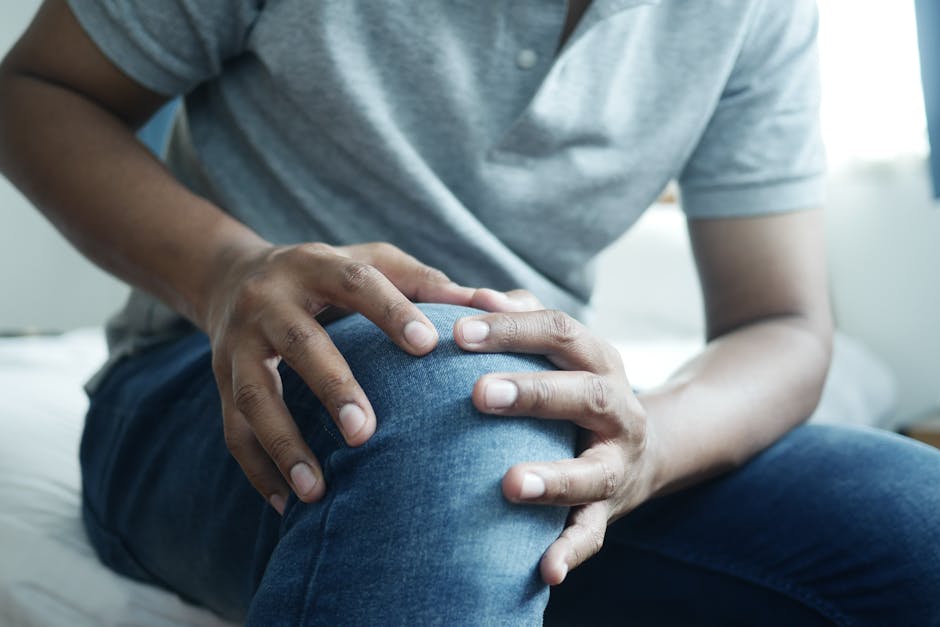
The pain often sneaks up on you hours after activity stops. You finish a run or a long walk feeling fine—even good—and then as you sit down to rest, a sharp, burning sensation grips the outside of your knee. Or maybe it's different for you: the ache builds gradually during activity, stays quiet while you're moving, then flares the moment you stop and your leg cools down. Some people describe it as a tight band pulling along the outer edge of the knee, especially noticeable going downstairs or getting out of a car. Others feel it most at night, waking when they roll onto the affected side in bed, the pressure triggering a dull, persistent throb.
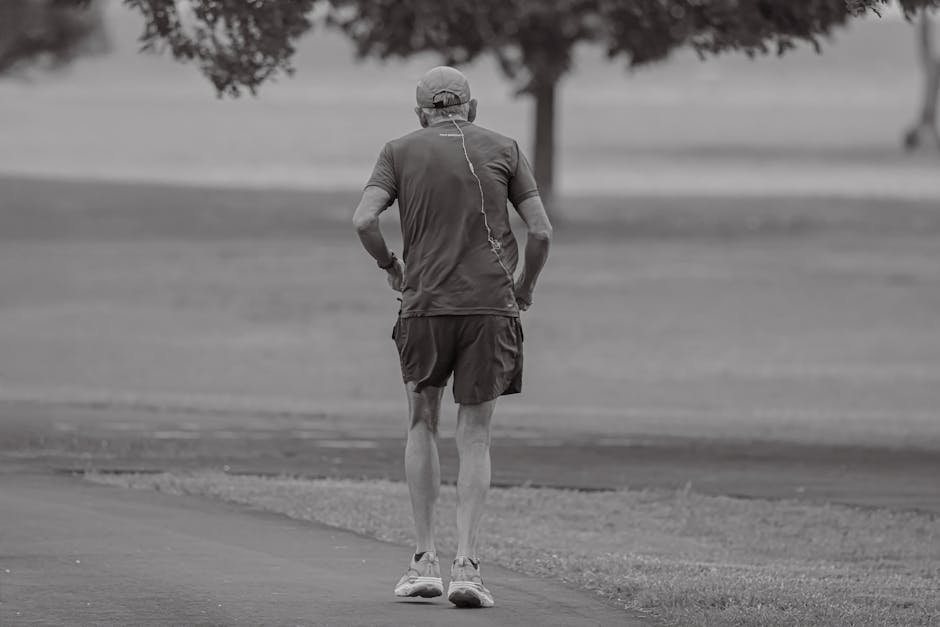
This is IT band tightness, and the frustrating part is that it can feel fine during the activity itself. That delayed pain—arriving after you've stopped—makes it hard to know what actually caused it or whether rest will help.
Why your IT band might be tight
The IT band is a thick strip of tissue running down the outside of your thigh, connecting your hip to your shin. It doesn't stretch much on its own, which is why tightness there can create problems at the knee. Several things can tighten it.
Repetitive activity without variation is often the culprit. This doesn't have to be running. Long walks, cycling, or even standing in one position for hours can gradually tighten the band. Your body adapts to the same movement pattern, and the tissue becomes less flexible over time. The issue isn't usually that you did too much too fast—it's that you did the same thing over and over without changing how you moved.
Hip weakness plays a bigger role than many people realize. When your glutes and hip stabilizers aren't strong enough, your knee has to work harder to stay aligned during movement. Your IT band compensates by tightening, trying to do work it wasn't designed for. This is why the pain can persist even when you rest—the underlying weakness remains. If this hip-driven pattern sounds familiar, knee pain from hip weakness goes into more detail on how the glutes and stabilizers affect knee tracking.
Muscle imbalances around your hips and thighs can pull your knee out of alignment. If one side of your hip is tighter than the other, or if your quadriceps are stronger than your hamstrings, the IT band can tighten as a response. This is particularly noticeable when you sit cross-legged or with one leg bent underneath you—the tightness on one side becomes obvious because the stretch feels completely different from the other leg.
How you move during everyday activities matters more than you might think. Stairs down, getting out of a car, sleeping position—these small movements can aggravate tightness if your knee isn't tracking properly. The pain isn't always about the big activities; sometimes it's about how you're compensating in the small ones.
What you can try
Change your activity before stopping it completely. If running triggers the delayed pain, try shorter distances first, then gradually build back. But also try different surfaces—a softer track or trail instead of pavement can reduce the repetitive stress. The goal isn't rest; it's variation. Your tissue adapts to what you ask it to do, so asking it to do something slightly different can help.
Work on hip strength with simple, consistent exercises. Clamshells, side-lying leg lifts, and single-leg glute bridges target the muscles that stabilize your knee. These don't need to be complicated. Three times a week for 10-15 minutes can make a real difference, but consistency matters more than intensity. Many people notice the delayed pain starts improving within 2-3 weeks of regular hip work.
Address tightness in your outer hip and thigh. A foam roller on the outer hip (not directly on the IT band itself, which can be painful) can help. A lacrosse ball or massage ball often works better—you can control the pressure more easily and target specific tight spots. Some people find that a tennis ball placed under their hip while lying on their side helps release tension. The sensation should feel like useful pressure, not sharp pain.
Pay attention to how you sit. If you notice the dull ache intensifies when you sit cross-legged or with one leg bent under you, try sitting differently for a few weeks. Uncrossed legs, feet flat on the floor—it sounds small, but it can reduce the constant low-level tension that keeps the IT band tight.
Consider your sleeping position. If pain wakes you when you roll onto your affected side, try sleeping on your back or the opposite side for a while. A pillow between your knees can also help keep your hips aligned and reduce nighttime pulling.
Not sure what's causing your knee pain? Take our 5-question quiz to find your pattern — Start the quiz →
When to see a professional
If the pain is severe, if you notice significant swelling, or if you've had a recent injury to your knee, don't wait to get it checked. The same applies if you have numbness, difficulty bearing weight, or if the pain doesn't improve after 2-3 weeks of consistent effort on your own.
A physical therapist can identify exactly how your knee is tracking and whether hip weakness or imbalance is the real problem. They can also rule out other issues that feel similar but need different treatment. Many people find that 4-6 sessions of targeted work makes a lasting difference.
Safety note: If you have severe pain, significant swelling, a recent injury, fever, numbness, or difficulty bearing weight, speak with a qualified healthcare professional promptly.
Frequently Asked Questions
Q: Can I still walk normally when I have knee pain from tight it band?
A: Many people manage normal walking despite this kind of discomfort. If walking causes you to limp or noticeably change your gait, though, that's worth addressing — compensating patterns often create new problems in the hips, lower back, or opposite knee over time.
Q: What happens if I ignore knee pain from tight it band?
A: In some cases, minor knee discomfort does resolve on its own. But consistently ignoring pain — especially if it's altering how you move — can allow the underlying cause to worsen. Most people find that early, sensible attention leads to faster recovery than waiting it out indefinitely.
Q: When should I stop exercising because of knee pain from tight it band?
A: Stop if the pain is sharp, climbing steadily during exercise, or causing you to change how you move. Mild, stable discomfort that stays at a 2 to 3 out of 10 is often acceptable to work through gently. Anything above that — or pain that simply feels wrong — is your cue to stop and reassess.
A Simple Next Step
Most people who take early, sensible action recover well. Start with what you can manage today and monitor closely. If things are not improving after a few weeks, that is the right time to bring in professional support.
Helpful Next Step
As an Amazon Associate, we may earn from qualifying purchases. This does not affect the price you pay.
Helpful Support Option
Runners dealing with this kind of knee discomfort often find that a well-fitted compression sleeve helps stabilise the joint and manage irritation during lower-intensity training sessions.
See knee sleeves for runningWant a more personalised recommendation? Take the 5-question quiz →
Helpful Next Step
If gentle support helps during recovery, you can check a simple support option that many people use in daily life.
This content is for educational purposes only and does not constitute medical advice. Always consult a qualified healthcare professional for diagnosis and treatment.