🦵 Not sure what's causing it? Take the 5-question knee quiz.
Find My Pattern →Sharp Knee Pain When Running Uphill
You're moving fine on flat ground, breathing steady, legs feeling strong. Then the terrain tilts up even slightly—a bridge, a trail incline, a residential hill—and within the first few minutes something sharpens in your knee. It's not a dull ache you can push through. It's a specific, pointed sensation that builds over 10 to 15 minutes of climbing, often settling into a grinding or catching feeling when your knee bends past 45 degrees. You finish the run, ice it down, and feel almost normal by evening. But the next morning, getting out of bed or down the stairs, stiffness hits harder than it did right after you stopped running. Flat ground the next day? Fine. Any incline? The sharp sensation returns instantly, as if your knee remembers exactly what it didn't like.
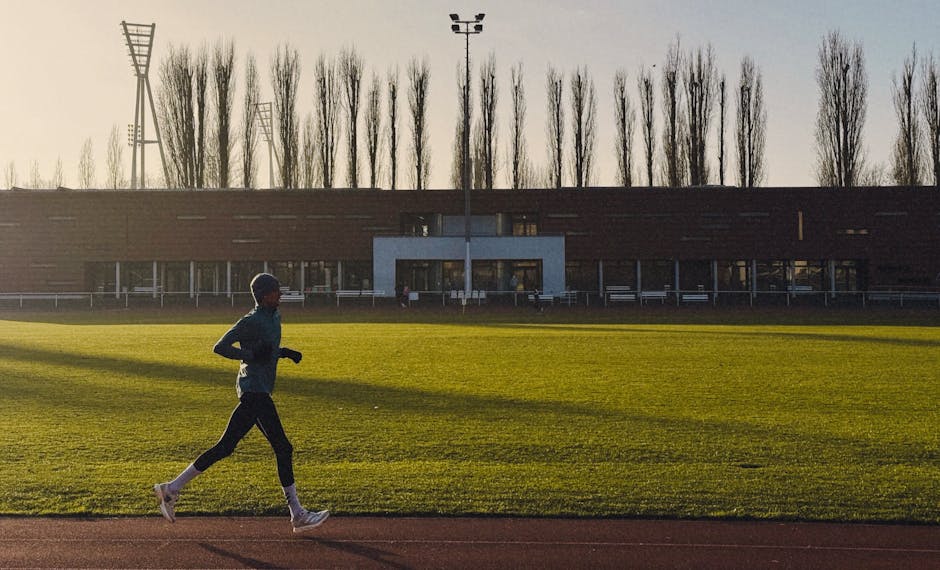
This pattern—pain that's selective to uphill effort, delayed in its worst expression, and worse the morning after—tells you something specific is happening under load and angle.
Why uphill running creates different stress
Running uphill demands something your knee doesn't experience the same way on flat terrain: sustained, high-angle bending combined with forward force. When you climb, your quadriceps (the muscle group on the front of your thigh) works harder to lift your body weight against gravity. At the same time, your knee joint is bent at a sharper angle throughout the stride. That combination of increased muscle demand and bent-knee positioning can irritate the tissues around your kneecap, particularly where the kneecap tracks in its groove. This pattern is related to knee pain after running, and the same management principles often apply.
The sharp sensation you feel may come from several sources. The cartilage under your kneecap can become irritated when the kneecap isn't tracking perfectly straight in its groove—uphill running amplifies this because the angle and force are so specific. Alternatively, the tendons and tissues around your knee can become overloaded if your muscles aren't strong enough to handle the demand, or if you've ramped up hill training too quickly. Some runners experience a catching or grinding that suggests inflammation in the joint itself, which often feels worse the morning after because swelling builds gradually during activity and peaks hours later.
A third possibility: your hip and glute muscles may not be firing strongly enough to stabilize your pelvis as you climb, forcing your knee to compensate by working in a slightly twisted or strained position. This often goes unnoticed on flat ground because the demand is lower, but uphill work exposes the weakness immediately.
How to approach pain relief and modification
Start by giving the hill a break for at least a few days—not running, but walking on flat ground is usually fine. This isn't about losing fitness; it's about stopping the cycle of inflammation before it gets worse. You'll notice the difference between "resting the activity" and "resting completely." You can walk, cycle on flat terrain, or swim without triggering that sharp sensation.
When you ice your knee, do it after activity rather than waiting until the next morning. Ice for 10 to 15 minutes while the knee is still warm from running, before inflammation fully sets in. Many runners skip this step and then wonder why morning stiffness is so pronounced. The inflammation that builds over hours after running responds better to early intervention.
Pay attention to the exact moment you feel the pain return—not just that it returns, but at what gradient or effort level. Some runners notice the sharp sensation starts at a 5% grade but not at 3%, or that it appears after 12 minutes of climbing but not before. This threshold is valuable information. It tells you where your knee's current tolerance sits, and you can train within that window while you build strength.
Strengthening your quadriceps matters, but so does strengthening your glutes and hip stabilizers. Uphill pain often signals that your legs aren't balanced in strength. Single-leg balance work, side-lying leg lifts, and step-ups on a low platform can help. These don't require a gym; they take 10 minutes a few times a week and often reduce that catching sensation within 2 to 3 weeks. People dealing with this frequently also notice knee pain running downhill, particularly after extended periods of inactivity.
Avoid the temptation to "run through it" by modifying your form—leaning forward excessively, shortening your stride, or gritting through the pain. These compensation patterns often make the problem worse by shifting stress to other tissues.
Not sure what's causing your knee pain? Take our 5-question quiz to find your pattern — Start the quiz →
When to seek professional guidance
If the sharp pain is severe enough that you can't continue running, or if it's accompanied by swelling that doesn't go down within a day, see a healthcare professional. The same applies if you notice instability (your knee feels like it might give out), if the pain is spreading to other parts of your leg, or if it's not improving after a week of rest and ice.
A physical therapist can identify whether your kneecap is tracking properly, assess your hip and glute strength, and build a progression that gets you back to hills safely. They can also rule out structural issues that need different management.
Safety note: If you have severe pain, significant swelling, a recent injury, fever, numbness, or difficulty bearing weight, speak with a qualified healthcare professional promptly.
Frequently Asked Questions
Q: Can I still walk normally when I have sharp knee pain when running uphill?
A: Many people manage normal walking despite this kind of discomfort. If walking causes you to limp or noticeably change your gait, though, that's worth addressing — compensating patterns often create new problems in the hips, lower back, or opposite knee over time.
Q: Is it normal to hear clicking sounds alongside sharp knee pain when running uphill?
A: Joint sounds are extremely common and usually harmless — they often come from gas bubbles in the joint fluid or tendons flicking over bony prominences. If the clicking is painless and your knee functions normally, it's generally nothing to worry about. If it's accompanied by pain or swelling, mention it to a healthcare professional.
Q: Is it safe to exercise with sharp knee pain when running uphill?
A: Gentle, low-impact movement is often beneficial — walking, swimming, and cycling tend to be well-tolerated. Avoid anything that sharply increases the discomfort. A physiotherapist can help identify which exercises are right for your specific situation and severity.
Where to Go From Here
Most people who take early, sensible action recover well. Start with what you can manage today and monitor closely. If things are not improving after a few weeks, that is the right time to bring in professional support.
Helpful Next Step
As an Amazon Associate, we may earn from qualifying purchases. This does not affect the price you pay.
Helpful Support Option
Runners dealing with this kind of knee discomfort often find that a well-fitted compression sleeve helps stabilise the joint and manage irritation during lower-intensity training sessions.
See knee sleeves for runningWant a more personalised recommendation? Take the 5-question quiz →
Helpful Next Step
If gentle support helps during recovery, you can check a simple support option that many people use in daily life. If you also experience knee pain when running, the two issues often share the same underlying cause.
This content is for educational purposes only and does not constitute medical advice. Always consult a qualified healthcare professional for diagnosis and treatment.