🦵 Not sure what's causing it? Take the 5-question knee quiz.
Find My Pattern →Knee Pain When Running
Your alarm goes off for a morning run. You feel ready. But halfway through—or sometimes not until you're cooling down—a sharp catch appears behind your kneecap, or a dull ache settles in just above it. The pain might vanish completely while you're moving, only to return intensely two hours later when you're sitting at your desk. Or it lingers quietly during the run itself, then keeps you awake at night because you can't find a position that feels comfortable. Running used to be your stress release, your thinking time, your escape. Now it's something you're negotiating with your own body.
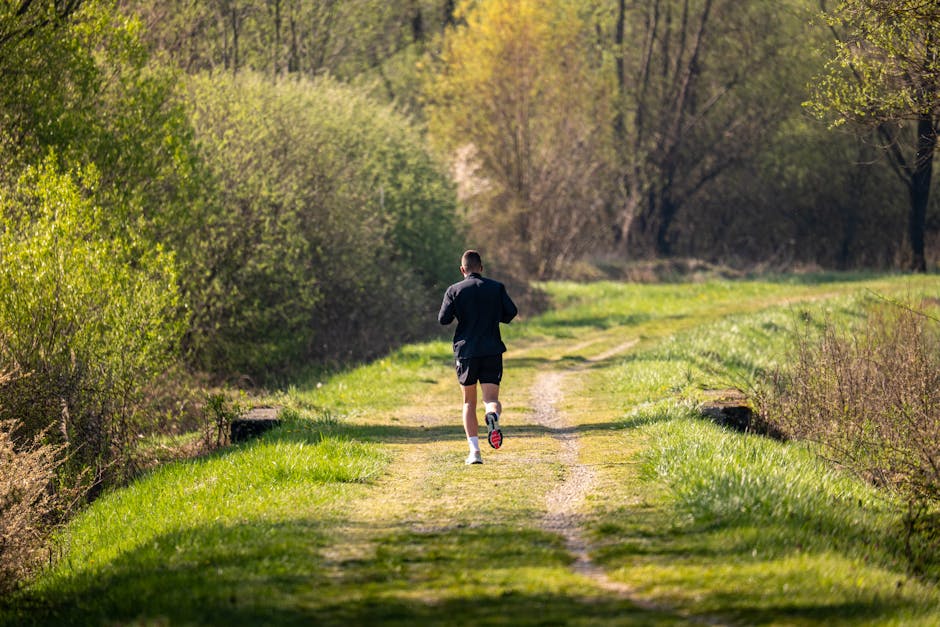
Why your knee hurts when you run
Knee pain during running can develop for several reasons, and often it's a combination of factors working together rather than one single culprit.
Imbalance in the muscles around your hip and thigh may be the most common underlying cause. Your glutes, hip stabilizers, and quadriceps work together to keep your knee tracking properly as you land and push off. When some of these muscles are weaker or tighter than others, your knee doesn't move in a straight line—it drifts inward or outward slightly with each stride. Over time, this small misalignment can irritate the cartilage or the tissues around the kneecap. The frustrating part is that you might not feel this imbalance in everyday life. It only shows up under the repetitive stress of running.
Sudden changes to your routine can trigger knee pain even if your training was pain-free before. Adding an extra mile per week, switching to a hillier route, increasing your pace, or simply running more frequently than usual can overload tissues that weren't prepared for the change. Your body adapts to training stress gradually, and jumping ahead of that adaptation creates inflammation.
The surface and terrain you run on matter more than many runners realize. Hard pavement creates more impact shock than a track or trail. Downhill running forces your quads to work eccentrically (lengthening under tension), which can irritate the area under your kneecap. Some people notice their pain appears only on certain routes or only during certain seasons when the ground is harder or softer.
Footwear that doesn't match your stride can also contribute. This doesn't necessarily mean expensive specialty shoes—it means shoes that support the way your foot actually lands, whether that's neutral, with inward roll, or with outward roll. Shoes that worked fine for walking don't always work for running, and shoes that felt great last year may not fit the same way now.
What you can try
Start by examining your recent training. Did you increase mileage, speed, or frequency in the past few weeks? If yes, dial that back slightly for now. This isn't about stopping entirely—it's about giving your tissues time to adapt without adding new stress on top of existing irritation.
Pay attention to the specific timing and sensation of your pain. Does it appear only on downhill sections? Only after your run, never during? Only on pavement? Write down these details for a few runs. This pattern often reveals what's actually bothering your knee, which helps you know what to modify. If downhill is the trigger, you might avoid steep descents for a few weeks while addressing the underlying cause. If the pain appears hours after running, the problem may be inflammation from overuse rather than acute injury.
Strengthen your glutes and hip stabilizers with simple, consistent work. Single-leg glute bridges, clamshells, and side-lying leg lifts can be done three times per week, even on running days. These don't require a gym. They take 10 minutes. The key is consistency over intensity—doing these twice a week for six weeks will help more than doing them intensely for two weeks then stopping.
Adjust your running surface and terrain gradually. If you've been running mostly on pavement, adding one trail run per week can reduce impact stress. If hills triggered your pain, run flat routes for a few weeks before reintroducing them. This isn't permanent—it's a temporary shift while your knee settles.
Apply ice after running if you notice swelling or heat around the knee. Fifteen minutes of ice after a run can help manage inflammation. Equally important: take at least one full rest day per week where you don't run. Your body repairs itself during recovery, not during the run itself.
Not sure what's causing your knee pain? Take our 5-question quiz to find your pattern — Start the quiz →
When to talk to a professional
If your pain is sharp and catches your movement, if swelling develops visibly around the knee, if you feel instability or your knee feels like it might give way, or if the pain doesn't improve after two to three weeks of modified training, a physical therapist or sports medicine doctor can assess what's actually happening. They can identify muscle imbalances or movement patterns you can't see yourself.
Safety note: If you have severe pain, significant swelling, a recent injury, fever, numbness, or difficulty bearing weight, speak with a qualified healthcare professional promptly.
Frequently Asked Questions
Q: Should I use a knee brace or compression sleeve for knee pain when running?
A: A basic compression sleeve can offer comfort and mild support during activity, and many people find it helpful in the short term. Don't rely on it long-term without also addressing the root cause — whether that's strength, flexibility, or movement patterns.
Q: What happens if I ignore knee pain when running?
A: In some cases, minor knee discomfort does resolve on its own. But consistently ignoring pain — especially if it's altering how you move — can allow the underlying cause to worsen. Most people find that early, sensible attention leads to faster recovery than waiting it out indefinitely.
Q: Is it safe to exercise with knee pain when running?
A: Gentle, low-impact movement is often beneficial — walking, swimming, and cycling tend to be well-tolerated. Avoid anything that sharply increases the discomfort. A physiotherapist can help identify which exercises are right for your specific situation and severity.
One Thing to Try First
Most people who take early, sensible action recover well. Start with what you can manage today and monitor closely. If things are not improving after a few weeks, that is the right time to bring in professional support.
Helpful Next Step
As an Amazon Associate, we may earn from qualifying purchases. This does not affect the price you pay.
Helpful Support Option
Runners dealing with this kind of knee discomfort often find that a well-fitted compression sleeve helps stabilise the joint and manage irritation during lower-intensity training sessions.
See knee sleeves for runningWant a more personalised recommendation? Take the 5-question quiz →
Helpful Next Step
If gentle support helps during recovery, you can check a simple support option that many people use in daily life.
This content is for educational purposes only and does not constitute medical advice. Always consult a qualified healthcare professional for diagnosis and treatment.