🦵 Not sure what's causing it? Take the 5-question knee quiz.
Find My Pattern →Knee Pain Running Downhill
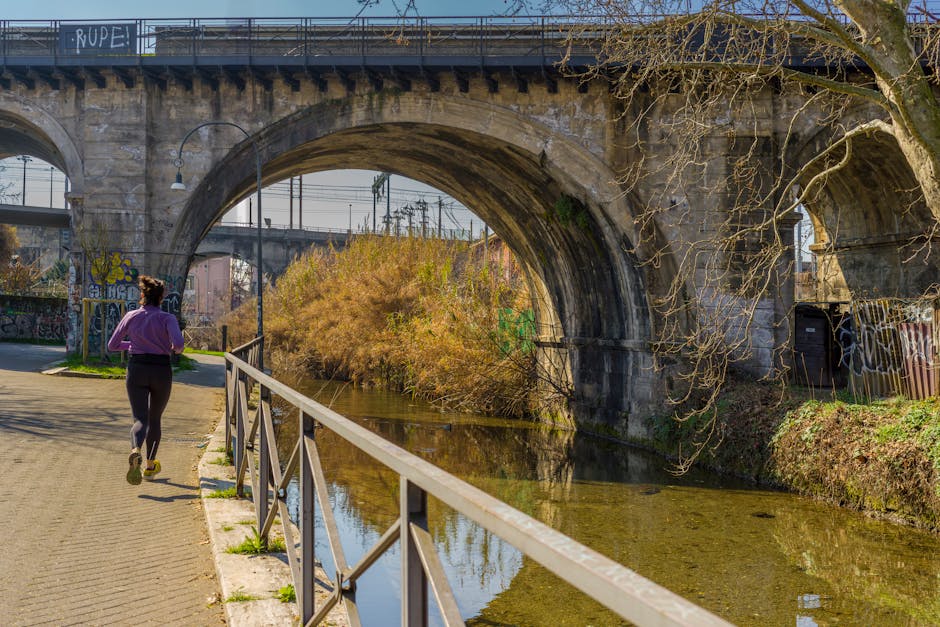
Downhill running feels deceptively easy at first. Your legs feel light, gravity does half the work, and you're tempted to let momentum carry you faster. Then somewhere around mile two or three, a dull burning sensation builds across the front of your knee. It's not sharp enough to stop you immediately, but it's there—a persistent ache that makes you hyper-aware of every step down. By the time you reach flat ground, the pain has settled into something you can almost ignore. But the next morning, when you walk down the stairs, a sharp pinch appears that wasn't there yesterday. That's the signature pattern of downhill knee pain: manageable during the run, but the real reckoning comes hours or days later.
Why downhill running stresses the knee differently
Running downhill places your knee in a position it doesn't experience on flat ground. With each step down, your quadriceps muscle has to work eccentrically—it's lengthening while contracting, absorbing the force of your body weight plus gravity. This is fundamentally different from pushing off on flat terrain. Your quad isn't just powering movement; it's acting as a brake.
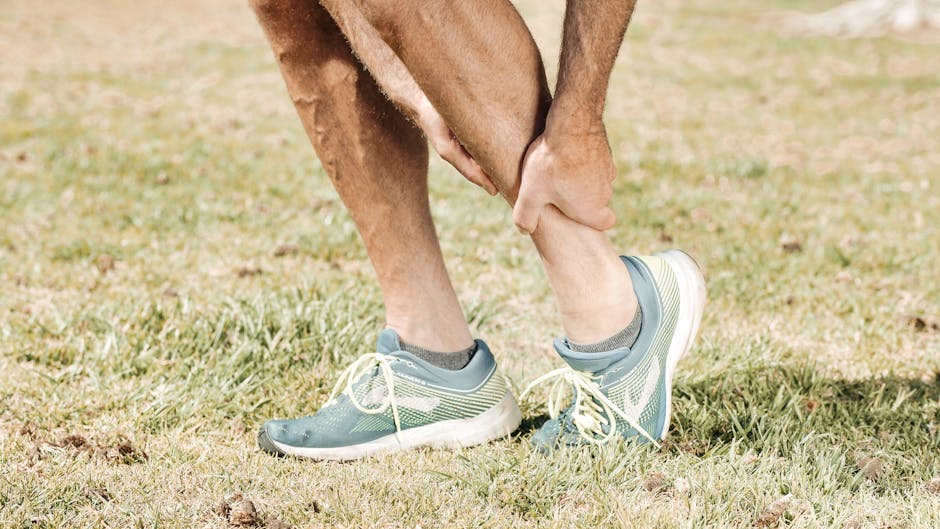
The repetitive impact of this braking action can irritate the tissues around your kneecap, particularly the cartilage underneath (a condition sometimes called patellofemoral pain). The stress is compounded if your glutes are weaker than your quads—an imbalance that forces your knee to stabilize itself rather than your hip doing the job it's designed for. Road surfaces and trail surfaces also matter. Concrete and asphalt offer no give, so the impact travels directly through your joint. Trails can be more forgiving, but uneven terrain demands constant micro-adjustments from muscles that may already be fatigued. This pattern is related to knee pain after running, and the same management principles often apply.
There's also a timing element many runners overlook. Downhill pain often appears only after you've already logged several miles. Your muscles are already warm and engaged, so the problem isn't obvious until they start to fatigue. That's when form breaks down slightly—your stride shortens, your foot lands heavier, and your knee absorbs more shock than it should.
Small changes that can reduce downhill stress
The most effective adjustment is also the hardest psychologically: slow down on descents. This isn't about being cautious; it's about controlling the eccentric load. When you run downhill fast, you're asking your quads to brake harder with each step. Slower cadence means less force per step. It feels counterintuitive because gravity wants to speed you up, but taking smaller steps and landing more gently can reduce pain significantly—sometimes within one run.
Stride length matters more than speed on downhill sections. Shorter, quicker steps keep your knee bent less aggressively and reduce the braking demand. Many runners naturally lengthen their stride going downhill, which is the opposite of what helps. Focusing on taking quick, controlled steps can feel awkward at first, but it's worth practicing on a gentle slope before attempting steeper terrain.
Glute activation work done on non-running days can shift how your body handles downhill sections. This isn't about doing heavy squats; it's about waking up muscles that may have gone quiet from sitting and running. Clamshells, single-leg glute bridges, or side-lying leg lifts done 2-3 times per week can improve hip stability enough to reduce knee compensation. The change often takes 3-4 weeks to feel noticeable, so patience is required.
Consider the route itself. If certain downhill sections consistently trigger pain while others don't, the difference might be the grade, the surface, or how fatigued you already are. Experimenting with different routes—or even reversing a familiar loop so you run the downhill section when you're fresher—can reveal patterns. Some runners find that trail running downhill causes less pain than road running the same grade, while others experience the opposite.
Recovery timing also influences whether pain builds. Running downhill on consecutive days often makes pain worse, even if each individual run felt manageable. Taking a rest day or doing easy flat running between downhill efforts can prevent the accumulated irritation that leads to that stiff, sore morning-after feeling.
Not sure what's causing your knee pain? Take our 5-question quiz to find your pattern — Start the quiz →
When to talk to a professional
Pain that's sharp, sudden, or accompanied by a catching sensation deserves prompt attention. Pain that builds gradually over several miles and subsides within a few hours is different from pain that worsens with each downhill run or that prevents you from bearing weight. If you notice swelling, instability (a sense that your knee might give way), or pain that doesn't improve after a week of modified running, these are signals to seek evaluation.
A physical therapist or sports medicine professional can assess whether the pain is coming from your kneecap alignment, muscle imbalances, or something else entirely. They can also help you understand whether your current training approach is sustainable or whether you need to change how you're building fitness.
Safety note: If you have severe pain, significant swelling, a recent injury, fever, numbness, or difficulty bearing weight, speak with a qualified healthcare professional promptly.
Frequently Asked Questions
Q: Can stretching help with knee pain running downhill?
A: Gentle stretching of the quadriceps, hamstrings, calves, and hip flexors can reduce the muscular tension that contributes to knee discomfort. A sustained, comfortable hold of 20 to 30 seconds is far more effective and safer than aggressive or bouncing stretches.
Q: Is it normal to hear clicking sounds alongside knee pain running downhill?
A: Joint sounds are extremely common and usually harmless — they often come from gas bubbles in the joint fluid or tendons flicking over bony prominences. If the clicking is painless and your knee functions normally, it's generally nothing to worry about. If it's accompanied by pain or swelling, mention it to a healthcare professional.
Q: Why does my knee feel worse after sitting for a long time?
A: This pattern — stiffness or pain after prolonged sitting that eases once you move around — is a hallmark of irritation around the kneecap or the soft tissues surrounding it. The joint stiffens in a flexed position, and the first movement disturbs it. Most people find it settles within a minute or two of walking.
What To Do Tomorrow Morning
Most people who take early, sensible action recover well. Start with what you can manage today and monitor closely. If things are not improving after a few weeks, that is the right time to bring in professional support.
Helpful Next Step
As an Amazon Associate, we may earn from qualifying purchases. This does not affect the price you pay.
Helpful Support Option
Runners dealing with this kind of knee discomfort often find that a well-fitted compression sleeve helps stabilise the joint and manage irritation during lower-intensity training sessions.
See knee sleeves for runningWant a more personalised recommendation? Take the 5-question quiz →
Helpful Next Step
If gentle support helps during recovery, you can check a simple support option that many people use in daily life. It's worth knowing that knee pain when running follows a very similar pattern and responds to the same kind of approach.
This content is for educational purposes only and does not constitute medical advice. Always consult a qualified healthcare professional for diagnosis and treatment.