🦵 Not sure what's causing it? Take the 5-question knee quiz.
Find My Pattern →Knee Pain After Running
That dull ache that creeps in during the final mile—or worse, the sharp twinge that doesn't show up until you sit down on the couch an hour later. Many runners experience knee pain that arrives not during the run itself, but in the hours afterward, sometimes even the next morning when you're reaching for the stairs. The frustration sits deeper than the physical discomfort: you felt fine while moving, which makes the delayed pain feel almost like a betrayal. Your body was running fine. So why does everything hurt now?
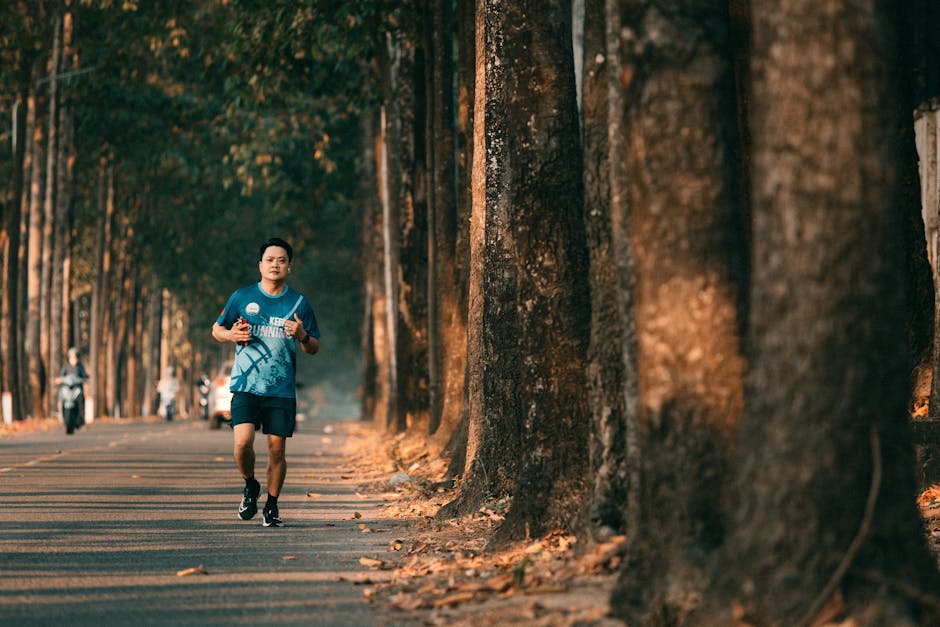
Why your knee hurts after running stops
The pain you're experiencing likely stems from one or more patterns that happen during running, then become noticeable once movement stops.
Repetitive impact and muscle fatigue. Running involves thousands of small impacts. Your quadriceps, glutes, and hip muscles work to absorb that force and stabilize your knee with each stride. When these muscles tire—especially if you've increased your mileage recently or changed your running surface—they can't control your knee's movement as precisely. This creates tiny shifts in how your kneecap tracks, and inflammation builds gradually. You don't feel it while adrenaline and movement mask the discomfort, but once you sit down and the muscles relax, the swelling and irritation become obvious.
Tight hip flexors and weak glutes. A common pattern: your hip muscles are tight from sitting during the day, then you run. Your glutes can't fire properly, so your hip drops slightly with each stride. This forces your knee to work at an awkward angle for miles. The pain might not spike during the run, but afterward—especially when climbing stairs or standing up from a chair—your knee reminds you that it spent the last hour in a compromised position.
Running surface and terrain changes. Asphalt feels different than trails. Downhill sections load your knee differently than flat ground. If you've switched where you run or added hills to your route, your knee is managing forces it hasn't adapted to yet. The pain often appears only on certain sections or only during descents, which can make you think the problem is minor—until you run again and the same spot hurts the same way.
Inadequate recovery between runs. This one builds quietly. Each run creates micro-tears and inflammation that need time to settle. If you're running hard on consecutive days without enough easy-paced recovery runs between them, the inflammation compounds. Pain that feels manageable after one run becomes sharp and persistent after the third run in four days.
What to try when the pain appears
Stop running for a few days—and actually mean it. Not "take an easy run instead." Stop. This is harder psychologically than physically. You'll watch your running group's social media, worry about losing fitness, and feel the itch to move. That mental frustration is real and worth acknowledging. But one week of rest now prevents four weeks of forced time off later. The fitness doesn't disappear as fast as it feels like it does.
Ice when the pain is sharp or swelling is visible. If your knee is puffy or the pain is acute, ice for 15–20 minutes a few times daily, especially right after activity. If the pain is dull and delayed—that ache that shows up hours later—ice may help, but it's less critical. Pay attention to what actually reduces your pain, not what you think should reduce it.
Walk gently on flat ground. Movement isn't the enemy; impact is. Walking on a flat surface, slowly, can help maintain some fitness and prevent the mental spiral of complete inactivity. Stairs, hills, and uneven terrain should wait. This gives you something to do while your knee settles without pushing the injury deeper.
Examine your running routine honestly. Did you increase mileage more than 10% in a week? Switch to a hillier route? Start running on consecutive days? Change shoes? One of these usually explains the pain. Revert to what worked before while you recover. This isn't permanent—it's a reset.
Stretch your hip flexors and hamstrings gently. Tight muscles upstream from your knee often pull it into poor positions. Gentle stretching—not aggressive, not bouncing—can help. Hold each stretch for 30 seconds, breathe, and repeat. This matters more after you've rested a few days and the acute pain has settled.
Not sure what's causing your knee pain? Take our 5-question quiz to find your pattern — Start the quiz →
When to see a professional
Most knee pain after running settles within a week or two of rest and careful return to activity. But some pain lingers, changes character, or worsens despite your efforts.
See a healthcare professional if your pain doesn't improve after a week of rest, if swelling increases, if the pain is sharp and localized rather than general, if you notice your knee feels unstable, or if you develop pain in other areas as you compensate. They can assess what's actually happening—whether it's inflammation, a tracking issue, or something that needs more specific intervention. There's a close connection between this and knee pain when running — the same structures are usually involved.
Safety note: If you have severe pain, significant swelling, a recent injury, fever, numbness, or difficulty bearing weight, speak with a qualified healthcare professional promptly.
Frequently Asked Questions
Q: Should I use a knee brace or compression sleeve for knee pain after running?
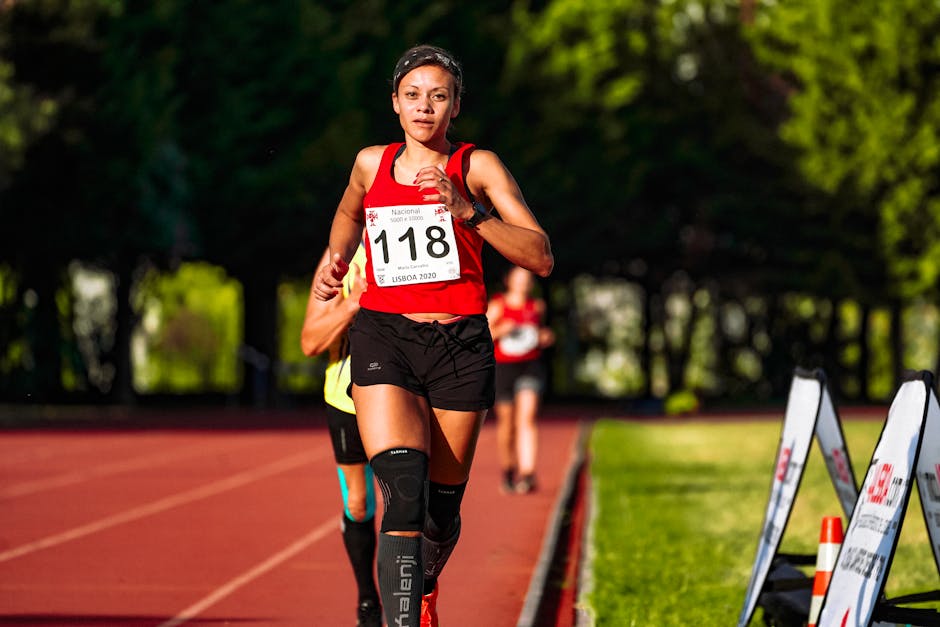
A: A basic compression sleeve can offer comfort and mild support during activity, and many people find it helpful in the short term. Don't rely on it long-term without also addressing the root cause — whether that's strength, flexibility, or movement patterns.
Q: Can stretching help with knee pain after running?
A: Gentle stretching of the quadriceps, hamstrings, calves, and hip flexors can reduce the muscular tension that contributes to knee discomfort. A sustained, comfortable hold of 20 to 30 seconds is far more effective and safer than aggressive or bouncing stretches.
Q: Why does my knee feel worse after sitting for a long time?
A: This pattern — stiffness or pain after prolonged sitting that eases once you move around — is a hallmark of irritation around the kneecap or the soft tissues surrounding it. The joint stiffens in a flexed position, and the first movement disturbs it. Most people find it settles within a minute or two of walking.
A Simple Next Step
Most people who take early, sensible action recover well. Start with what you can manage today and monitor closely. If things are not improving after a few weeks, that is the right time to bring in professional support.
Helpful Next Step
As an Amazon Associate, we may earn from qualifying purchases. This does not affect the price you pay.
Helpful Support Option
Runners dealing with this kind of knee discomfort often find that a well-fitted compression sleeve helps stabilise the joint and manage irritation during lower-intensity training sessions.
See knee sleeves for runningWant a more personalised recommendation? Take the 5-question quiz →
Helpful Next Step
If gentle support helps during recovery, you can check a simple support option that many people use in daily life.
This content is for educational purposes only and does not constitute medical advice. Always consult a qualified healthcare professional for diagnosis and treatment.