🦵 Not sure what's causing it? Take the 5-question knee quiz.
Find My Pattern →Knee Pain Front of Kneecap When Running
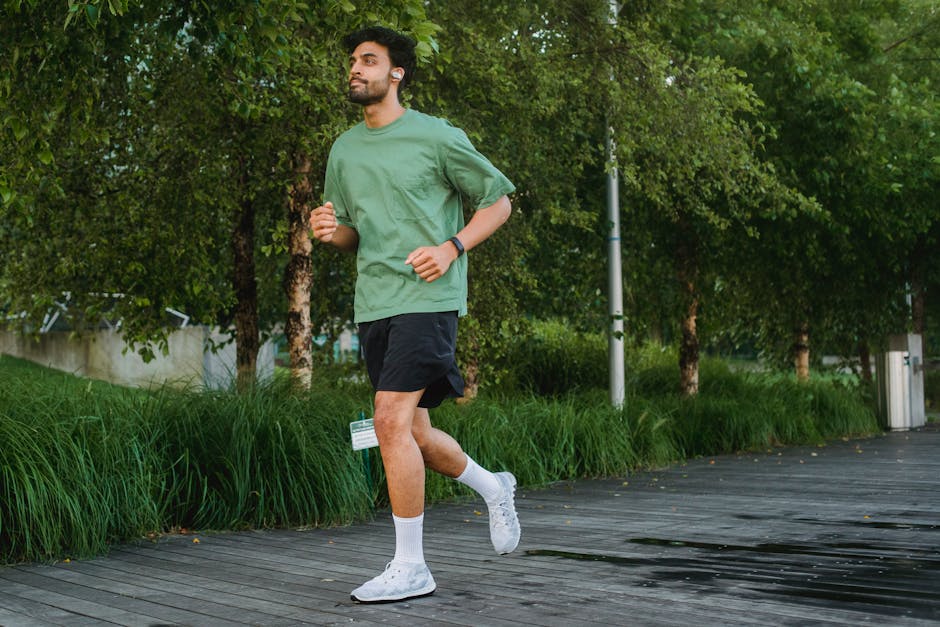
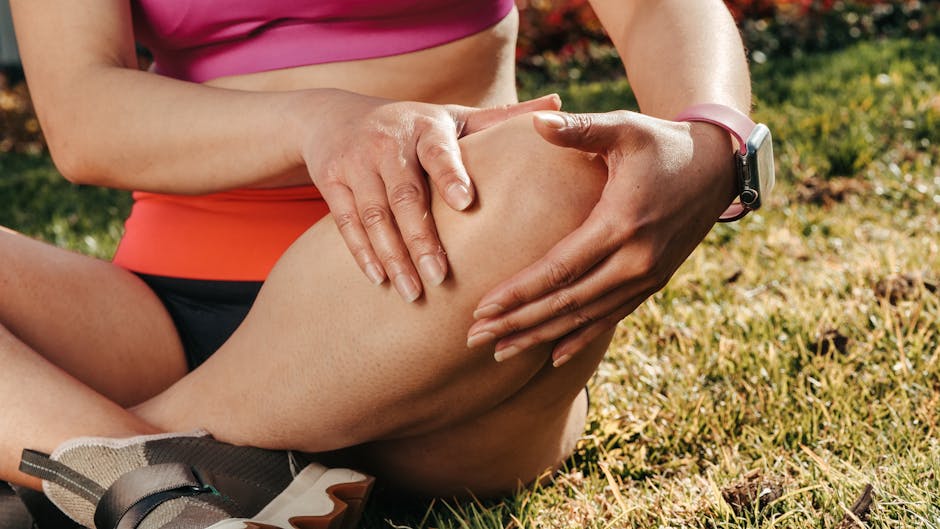
That dull ache that creeps in around mile two—the one that wasn't there at the start, so you convince yourself it'll pass—is the most frustrating kind of knee pain. It's not sharp or dramatic enough to stop you immediately, but it's persistent enough that by the time you finish your run, you're favoring that leg without quite meaning to. The next morning, the stiffness is worse. You take the stairs carefully, one step at a time, and notice the pinching sensation only happens when you descend. Going up feels fine. By afternoon, after moving around, it feels almost normal again. This invisible injury is the worst kind because you look fine, feel mostly fine, but something is clearly off with how your kneecap is tracking when you run.
Why this happens when you run
The front of your kneecap pain during running often comes down to how the kneecap sits and moves in its groove. When you run, your kneecap should track smoothly down the center of that groove with each stride. But several things can throw this off.
Imbalances in the muscles around your hip and thigh can cause the kneecap to pull slightly off-center. This doesn't mean your muscles are weak in an absolute sense—it means they're working unevenly. Your outer thigh might be pulling harder than your inner thigh, or your hip stabilizers might not be firing consistently with each stride. You might not notice this imbalance in daily life, but running amplifies it. The repetitive impact of hundreds of strides makes even small tracking issues add up. There's a close connection between this and knee pain after running — the same structures are usually involved.
Running surface matters more than most articles acknowledge. Road running, treadmill running, and trail running create different stresses on that kneecap. A treadmill's consistent, predictable surface might feel fine, but the moment you run outside on uneven ground, your body has to make micro-adjustments. If your hip and core aren't stable enough to handle those adjustments, your kneecap bears the cost. Similarly, a previous injury elsewhere—an old ankle sprain, a hip issue you thought you'd resolved, even lower back tightness—can create a compensation pattern that changes how you land and how your kneecap tracks.
The third common factor is a sudden increase in running volume or intensity. This isn't always obvious. It might be that you added speed work, increased your weekly mileage by more than 10%, or simply started running on hillier terrain. Your kneecap can handle your normal routine, but it struggles when the demands change faster than your supporting muscles can adapt.
What you can try
Start by paying attention to the exact timing of your pain. Does it appear in the first five minutes, or does it emerge after 20 minutes? Does it get worse on hills, on the treadmill, or on particular running surfaces? This information is genuinely useful—it helps you identify whether the issue is a warm-up problem, a fatigue problem, or a surface-specific problem.
Reduce your running volume by about 20-30% for the next week or two. This isn't rest; it's modification. You're still running, but you're giving your tissues time to adapt without the cumulative stress that's currently causing pain. Many runners resist this because it feels like giving up, but it's actually the fastest path forward. Pushing through often extends the problem by weeks.
After running, ice the area for 15 minutes. Cold reduces inflammation and can dull the pain enough that you notice movement patterns more clearly. Some people find that icing actually helps them feel what their kneecap is doing—whether it's tracking smoothly or pulling to one side.
Work on hip stability and strength, particularly the muscles on the outside of your hip and glute area. These don't have to be complicated exercises. Single-leg glute bridges, side-lying leg lifts, or even standing on one leg while brushing your teeth all activate these stabilizers. The key is consistency over intensity. Doing these movements daily, even for five minutes, works better than occasional intense sessions. For useful context, knee pain behind kneecap when bending tends to have the same mechanical roots and overlapping solutions.
Consider your running shoes. Shoes don't fix biomechanics, but they can support or undermine what your body is already doing. If you're overpronating (rolling inward), your kneecap can track differently. A running store that watches you run can identify this, and a shoe with appropriate support might help. This isn't about buying the most expensive shoe—it's about matching your foot's behavior to the shoe's design.
Not sure what's causing your knee pain? Take our 5-question quiz to find your pattern — Start the quiz →
When to see a professional
If your pain gets sharper instead of duller over a few weeks, if swelling appears, or if the pain starts affecting how you walk on normal days, that's a sign to see a physical therapist or sports medicine professional. They can assess how your kneecap actually tracks (not how you think it tracks) and identify whether the issue is muscular imbalance, biomechanical, or something else entirely.
Also seek professional input if you have a history of knee, hip, or ankle injuries. Previous injuries create compensation patterns that are hard to identify on your own, and a professional can spot these faster than trial and error.
Safety note: If you have severe pain, significant swelling, a recent injury, fever, numbness, or difficulty bearing weight, speak with a qualified healthcare professional promptly.
Frequently Asked Questions
Q: Should I apply heat or ice to a painful knee?
A: Cold — ice wrapped in a cloth — works better for acute flare-ups, particularly in the first 24 to 48 hours when the area feels warm or inflamed. Gentle heat tends to be more helpful for muscle stiffness and chronic, recurring aches. Never apply either directly to bare skin.
Q: When should I stop exercising because of knee pain front of kneecap when running?
A: Stop if the pain is sharp, climbing steadily during exercise, or causing you to change how you move. Mild, stable discomfort that stays at a 2 to 3 out of 10 is often acceptable to work through gently. Anything above that — or pain that simply feels wrong — is your cue to stop and reassess.
Q: Can I still walk normally when I have knee pain front of kneecap when running?
A: Many people manage normal walking despite this kind of discomfort. If walking causes you to limp or noticeably change your gait, though, that's worth addressing — compensating patterns often create new problems in the hips, lower back, or opposite knee over time.
One Thing to Try First
Most people who take early, sensible action recover well. Start with what you can manage today and monitor closely. If things are not improving after a few weeks, that is the right time to bring in professional support.
Helpful Next Step
As an Amazon Associate, we may earn from qualifying purchases. This does not affect the price you pay.
Helpful Support Option
Runners dealing with this kind of knee discomfort often find that a well-fitted compression sleeve helps stabilise the joint and manage irritation during lower-intensity training sessions.
See knee sleeves for runningWant a more personalised recommendation? Take the 5-question quiz →
Helpful Next Step
If gentle support helps during recovery, you can check a simple support option that many people use in daily life. It's worth knowing that knee pain on outside when running follows a very similar pattern and responds to the same kind of approach.
This content is for educational purposes only and does not constitute medical advice. Always consult a qualified healthcare professional for diagnosis and treatment.