🦵 Not sure what's causing it? Take the 5-question knee quiz.
Find My Pattern →Kneeling on One Knee Causes Knee Pain
You're gardening or playing with a child, and you drop down onto one knee—something you've done a thousand times. But this time, or maybe every time now, that particular knee sends a sharp message the moment your weight settles. It might fade after a few seconds, or it might build into something that makes you want to stand back up immediately. The frustration runs deeper than the pain itself: this should be simple. Why isn't it?
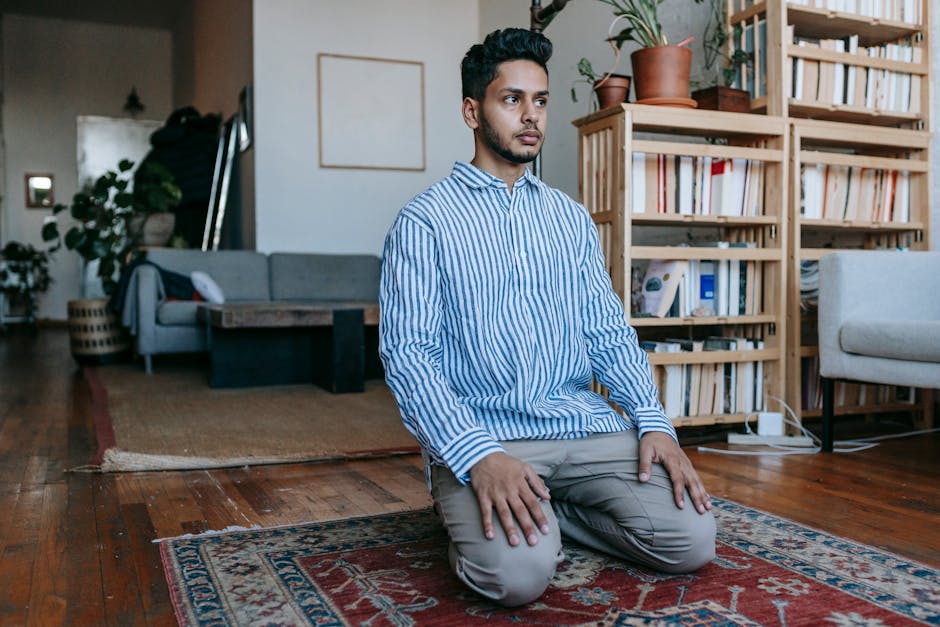
Kneeling on a single knee concentrates your full body weight onto a small surface area—roughly the size of your kneecap and the tissue surrounding it. That intense, localized pressure can trigger pain in several different ways, and understanding which type of pain you're experiencing matters because it often points toward what's actually happening underneath.
Why One Knee Bears the Burden
🦵 Not sure what's causing your knee pain?
Answer 5 quick questions and get a personalised result.
Find My Pattern → 60 seconds · No sign-upOne of the most common reasons single-knee kneeling causes pain is uneven weight distribution across your body. If one leg is slightly weaker, shorter, or recovering from an old injury, you may unconsciously favor the other side. When you finally kneel on the weaker knee, it absorbs pressure it isn't conditioned to handle. This imbalance can develop over months or years without you noticing—until kneeling becomes the activity that exposes it. It's worth knowing that front of knee hurts when kneeling follows a very similar pattern and responds to the same kind of approach.
The tissue directly under your kneecap (called the patella) sits in a groove in your thighbone. When you kneel on one knee, this tissue experiences compression and friction. If the muscles around your thigh aren't balanced or strong enough, the kneecap can track slightly off-center in that groove, creating pressure in unexpected places. You might feel this as a sharp, specific ache directly under the kneecap, or as a broader dull sensation across the front of your knee.
Previous injuries also play a quiet but significant role. A sprain from years ago, a minor cartilage issue you never fully rehabilitated, or even scar tissue from surgery can make one knee more sensitive to pressure. The knee may have healed, but its tolerance for certain positions—like the intense compression of kneeling—remains lower than the other side.
Bone structure matters too. Some people naturally have a wider pelvis or different leg alignment, which means one knee naturally experiences more stress during kneeling than the other. This isn't something you can change, but recognizing it helps explain why one knee consistently complains while the other stays quiet.
What You Can Try
Start by noticing exactly when the pain appears. Does it hit the moment weight lands on the knee, or does it build after 30 seconds of kneeling? Does it feel sharp and specific, or dull and diffuse? This timing and sensation often reveal whether the problem is acute pressure sensitivity or something deeper. Sharp, immediate pain suggests the tissue under the kneecap is irritated. Pain that builds gradually over several minutes of kneeling points more toward muscular fatigue or imbalance.
A kneeling pad or cushion isn't just comfort—it's a legitimate tool that reduces the intensity of pressure on your kneecap and surrounding tissue. The difference between kneeling on hard tile and kneeling on a padded surface can be significant. If you kneel regularly (gardening, prayer, cleaning), a quality pad can allow you to kneel longer while your knee adapts.
When you do kneel, distribute your weight deliberately. Instead of dropping straight down onto one knee, lower yourself slowly and feel where the pressure concentrates. If you notice it's all hitting the kneecap directly, shift your weight slightly backward so more of your shin and the area below your knee makes contact with the ground. This small adjustment can redirect pressure away from the most sensitive spot. This pattern is related to knee pain when gardening kneeling, and the same management principles often apply.
Ice the knee after kneeling if you notice pain or swelling in the hours that follow. Some people experience delayed throbbing—the knee feels fine immediately, but 2-3 hours later it starts aching. This delayed response often means inflammation is building, and ice can help manage it. Apply ice for 15-20 minutes, and repeat a few times that day if needed.
Strengthen the muscles above your knee. Your quadriceps (the muscle group on the front of your thigh) acts as a shock absorber and stabilizer. When these muscles are weak or imbalanced, your kneecap bears more of the load during kneeling. Straight-leg raises, wall sits, or gentle squats—done consistently over several weeks—can improve how your knee handles the pressure of kneeling.
When to Seek Professional Guidance
If kneeling pain is new and sharp, or if it worsens over a week or two despite rest and ice, that's worth mentioning to a healthcare provider. They can assess whether the pain is coming from the kneecap itself, the surrounding tissue, or something deeper like cartilage involvement.
Pain that prevents you from kneeling at all, or pain accompanied by swelling that doesn't improve with ice and elevation, also warrants professional evaluation. Some people experience a catching sensation when shifting weight between knees—a sharp moment where the knee feels like it's briefly locking or unlocking. This can signal cartilage irritation that benefits from proper assessment.
Safety note: If you have severe pain, significant swelling, a recent injury, fever, numbness, or difficulty bearing weight, speak with a qualified healthcare professional promptly.
Frequently Asked Questions
Q: Should I use a knee brace or compression sleeve for kneeling on one knee causes knee pain?
A: A basic compression sleeve can offer comfort and mild support during activity, and many people find it helpful in the short term. Don't rely on it long-term without also addressing the root cause — whether that's strength, flexibility, or movement patterns.
Q: Why does my knee feel worse after sitting for a long time?
A: This pattern — stiffness or pain after prolonged sitting that eases once you move around — is a hallmark of irritation around the kneecap or the soft tissues surrounding it. The joint stiffens in a flexed position, and the first movement disturbs it. Most people find it settles within a minute or two of walking.
Q: Is it safe to exercise with kneeling on one knee causes knee pain?
A: Gentle, low-impact movement is often beneficial — walking, swimming, and cycling tend to be well-tolerated. Avoid anything that sharply increases the discomfort. A physiotherapist can help identify which exercises are right for your specific situation and severity.
A Simple Next Step
Most people who take early, sensible action recover well. Start with what you can manage today and monitor closely. If things are not improving after a few weeks, that is the right time to bring in professional support.
Helpful Next Step
As an Amazon Associate, we may earn from qualifying purchases. This does not affect the price you pay.
Helpful Support Option
If kneeling is part of your daily routine, padded knee protection can reduce direct pressure on the joint and the surrounding soft tissue.
See knee pad optionsHelpful Next Step
If gentle support helps during recovery, you can check a simple support option that many people use in daily life. This pattern is related to knee pain when kneeling down, and the same management principles often apply.
This content is for educational purposes only and does not constitute medical advice. Always consult a qualified healthcare professional for diagnosis and treatment.