🦵 Not sure what's causing it? Take the 5-question knee quiz.
Find My Pattern →Knee Pain When Doing Squats
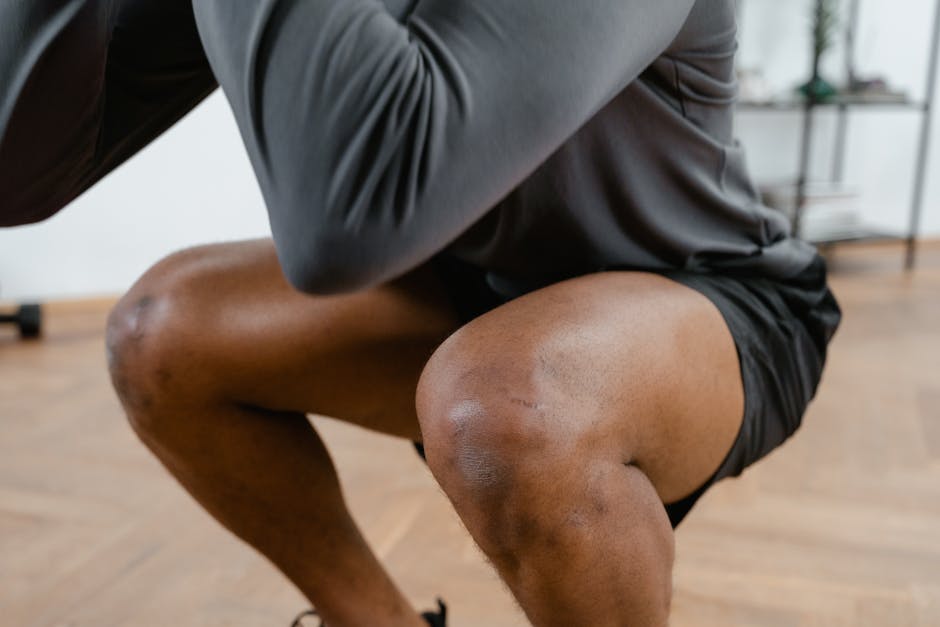
You descend smoothly through the first half of the movement, weight feels even, and then somewhere in that bottom quarter—maybe when your thighs are parallel to the floor—a sharp pinch catches the inside or front of your knee. You can push through it, or you stop short. Either way, the next day or sometimes right there in the moment, doubt creeps in. You're not sure if you can do another rep, and you're definitely not sure if you should.
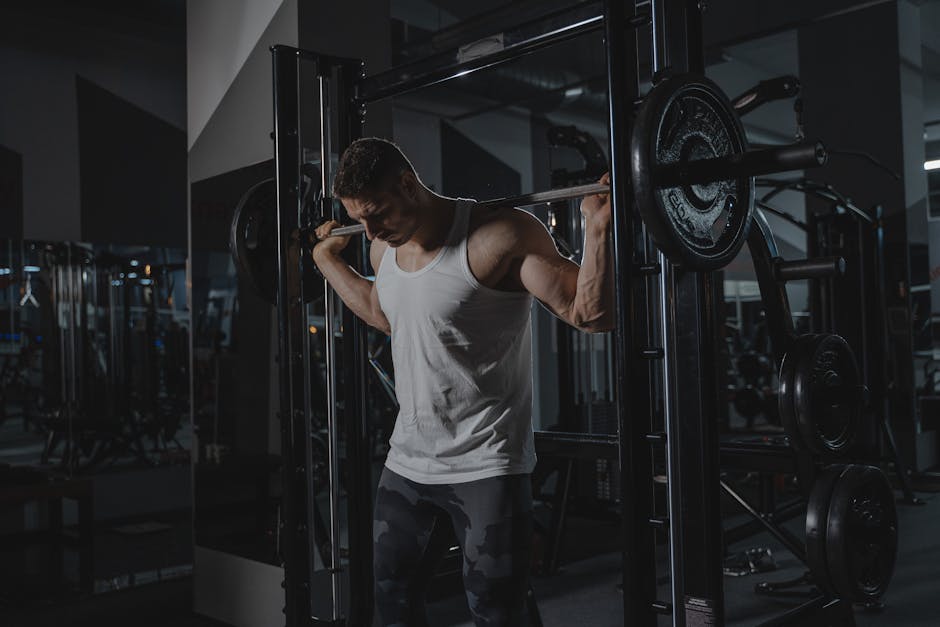
That specific sensation—the timing of it, the location, the way it changes from day to day—matters more than you might think. Knee pain during squats isn't one thing, and understanding what's actually happening in your knee (and why some days feel worse than others) is the first step toward training around it instead of just stopping altogether.
Why your knee hurts at the bottom of the squat
🦵 Not sure what's causing your knee pain?
Answer 5 quick questions and get a personalised result.
Find My Pattern → 60 seconds · No sign-upWhen you squat, your knee joint handles a lot of load. The deeper you go, the more compression and shear force your knee experiences. Pain during squats often points to one of several things happening, and they don't all feel the same.
Pressure under the kneecap is common when the tissues around your patella—the kneecap itself—aren't tracking smoothly. As you bend deeper, the angle changes, and if your thigh muscles (especially the inner quad) aren't pulling evenly, the kneecap can shift slightly. That shift creates friction or pressure rather than a sharp stab; it's more of a dull, grinding sensation that can appear only at certain depths.
Tension in the tissues around your knee can build up from training volume, weak hip stabilizers, or simply not moving enough between sessions. This often shows up as a delayed ache—you feel fine during the workout, but two to three hours later, a throbbing heaviness sets in. This type of pain can also improve noticeably after a warm-up, which is why your morning stiffness vanishes after ten minutes of easy movement and tricks you into thinking you're fine to load it hard again.
Instability or a catching sensation (rather than sharp pain) sometimes happens when your knee isn't getting stable support from the muscles around your hip and thigh. You might feel like your knee wants to cave inward, or you get a brief moment of uncertainty mid-rep that makes you hesitate. This isn't always pain—it's that feeling of "I'm not sure my knee is locked in right now," which is its own kind of problem.
Structural irritation from load or form breakdown can occur if you're increasing volume too quickly, if your squat depth changed suddenly, or if your form shifts under fatigue. Your knees can tolerate quite a bit of stress, but they're also sensitive to changes in how that stress is applied.
What to try before you stop squatting
You don't have to quit squats entirely, but you do need to listen to what your knee is telling you—and change something.
Reduce your range of motion temporarily. Instead of going as deep as you normally do, try stopping at a quarter or half squat for a few sessions. Pain often disappears at shallower depths because the joint angle is less demanding. This isn't forever; it's a way to keep training while your knee adapts. Many people find they can return to full depth after a week or two of partial-range work.
Slow down your descent. A rushed squat—dropping quickly to the bottom—creates a sudden spike in pressure. If you control the descent over two to three seconds, you give your muscles time to stabilize and your knee joint time to adjust. This small change alone can reduce pain significantly, especially the pinching sensation at the bottom.
Check what happens with a wider stance or slight toe-out adjustment. How your feet are positioned changes the angle at your knee and hip. A slightly wider stance or turning your toes out a bit can reduce internal rotation at the knee, which sometimes relieves that grinding feeling under the kneecap. It's worth experimenting for a few reps to see if one position feels better than another.
Build in warm-up movement before loading. Not just static stretching—actual movement. Bodyweight squats, leg swings, or light cycling for five to ten minutes can reduce morning stiffness and prepare the joint. You might notice your pain threshold is genuinely higher after a proper warm-up, which tells you the issue isn't structural damage but rather tissue that needs activation.
Pay attention to what makes it worse on certain days. Poor sleep, high stress, or even weather changes can increase pain sensitivity. If you notice your knee feels worse after a stressful day or when you're sleep-deprived, that's useful information—it might mean you need to reduce volume or intensity on those days rather than assume your knee is getting worse.
When to reach out for professional help
If your pain is sharp and immediate (not a delayed ache), if it's accompanied by swelling that doesn't go down, or if you feel genuine instability (your knee feels like it might give way), those are signs to get an evaluation sooner rather than later. The same goes if pain is preventing you from bearing weight or if it's getting worse despite modifications.
A physical therapist or sports medicine doctor can assess how your knee is actually moving, identify whether it's a tracking issue, a strength imbalance, or something else entirely, and give you a plan specific to your situation. Sometimes what feels like a knee problem is actually a hip or ankle issue creating stress upstream or downstream.
Safety note: If you have severe pain, significant swelling, a recent injury, fever, numbness, or difficulty bearing weight, speak with a qualified healthcare professional promptly.
Frequently Asked Questions
Q: Can stretching help with knee pain when doing squats?
A: Gentle stretching of the quadriceps, hamstrings, calves, and hip flexors can reduce the muscular tension that contributes to knee discomfort. A sustained, comfortable hold of 20 to 30 seconds is far more effective and safer than aggressive or bouncing stretches.
Q: Can I still walk normally when I have knee pain when doing squats?
A: Many people manage normal walking despite this kind of discomfort. If walking causes you to limp or noticeably change your gait, though, that's worth addressing — compensating patterns often create new problems in the hips, lower back, or opposite knee over time.
Q: Should I use a knee brace or compression sleeve for knee pain when doing squats?
A: A basic compression sleeve can offer comfort and mild support during activity, and many people find it helpful in the short term. Don't rely on it long-term without also addressing the root cause — whether that's strength, flexibility, or movement patterns.
One Thing to Try First
Most people who take early, sensible action recover well. Start with what you can manage today and monitor closely. If things are not improving after a few weeks, that is the right time to bring in professional support.
Helpful Next Step
As an Amazon Associate, we may earn from qualifying purchases. This does not affect the price you pay.
Helpful Support Option
Resistance bands are commonly used in knee rehabilitation to build quad and glute strength without placing heavy load on the joint. A useful addition to a home exercise routine.
See resistance band optionsHelpful Next Step
If gentle support helps during recovery, you can check a simple support option that many people use in daily life.
This content is for educational purposes only and does not constitute medical advice. Always consult a qualified healthcare professional for diagnosis and treatment.