🦵 Not sure what's causing it? Take the 5-question knee quiz.
Find My Pattern →Knee Pain After Gym Squats
The moment you stand up from the bottom of your last squat rep, everything feels fine. You rack the bar, walk back to grab water, and maybe ten minutes later—or sometimes not until you're sitting on the couch that evening—a dull ache settles into your knee. It's not sharp enough to panic about, but it's there. By morning, getting out of bed feels stiff and careful. You wonder if you've done something wrong, or if this is just part of pushing harder at the gym.
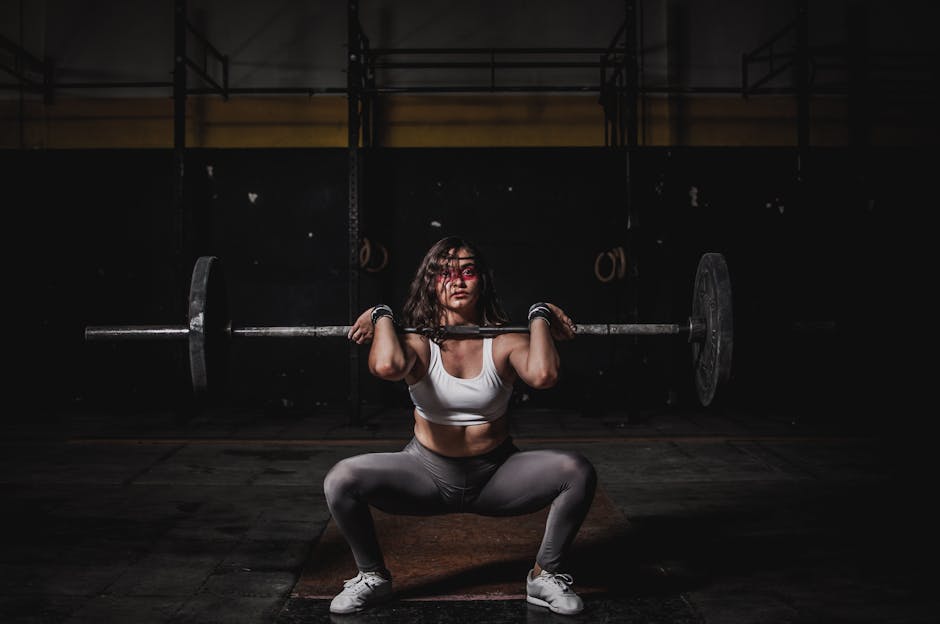
Knee pain after squats is common, but the when and how it shows up tells you a lot about what's actually happening.
Why your knees hurt after squats
🦵 Not sure what's causing your knee pain?
Answer 5 quick questions and get a personalised result.
Find My Pattern → 60 seconds · No sign-upSeveral things can trigger knee discomfort after squat sessions, and often it's not a single cause but a combination.
Loading your knees faster than they adapted. Your tendons and connective tissue around the knee don't strengthen at the same pace as your muscles do. If you jumped weight, added volume, or increased intensity more aggressively than usual, your knees may be signaling that they're not ready yet. This often shows as a delayed ache—hours after the workout—rather than immediate pain during the set.
How you're moving through the squat. The descent matters more than most people realize. If you're collapsing into the bottom of the squat rather than controlling the descent, or if your knees are caving inward (even slightly), the tissues on the inside of your knee can take repeated micro-stress. You might feel a sharp catch at the bottom that releases as you drive up, which is your body's way of saying the angle or alignment isn't quite right for you.
One leg working harder than the other. Many people have a slight imbalance—one leg is stronger, more flexible, or has better control. During squats, the weaker side compensates by the knee tracking differently, rotating slightly, or bearing more load than it should. This can create a one-sided ache that's worse on that particular knee.
Your core and glutes aren't bracing enough. This is less about weakness and more about timing. If your core isn't tight during the descent, your torso can shift or fold forward slightly, which changes how force travels through your knees. Glutes that aren't firing properly also mean your knees have to stabilize more on their own. The pain often feels like it's coming from the front of the knee or just below the kneecap.
What you can try
Slow down the descent on your next session. If you're squatting again soon, spend 2-3 seconds lowering instead of dropping quickly. This gives your nervous system better feedback and reduces the shock to your tissues. Many people find that controlled tempo work actually feels less painful than fast reps, even though it feels harder mentally.
Check your depth against your actual range. You don't need to hit parallel if your knees complain at that depth. Squat to the depth where you can maintain a neutral spine and keep your chest up without compensation. Going shallower for a few sessions while you figure this out isn't failure—it's listening to your body. Depth can increase later.
Brace your core before you unrack. Take a breath into your belly, tighten your abs like someone's about to punch you, and hold that tension through the set. A braced core keeps your torso stable and prevents your knees from having to do extra stabilization work. This single change reduces knee stress significantly for many lifters.
Ice after the workout, not before. Apply ice for 10-15 minutes within an hour of finishing. This can reduce inflammation that builds up over the next few hours. The delayed ache you feel that evening often stems from inflammation that started during the workout, so early icing can prevent it from getting worse.
Take 3-5 days completely off squats. Not off the gym—just off squats and similar deep-knee-bend movements. Do upper body work, lighter leg work, or other patterns that don't load your knees the same way. This break lets the irritation settle while you stay active. When you return, start with lighter weight and fewer reps than you think you need.
When to talk to a professional
If the pain is sharp rather than dull, if it worsens with each day instead of improving, or if swelling is significant and doesn't reduce overnight, see a doctor or physical therapist sooner rather than later. The same applies if you can't bear weight on the leg, if you hear clicking or popping, or if the pain is limiting your daily life beyond just squatting.
Pain that improves over 5-7 days with rest and careful movement is usually manageable on your own. Pain that lingers beyond two weeks or gets worse despite rest deserves professional evaluation. If you also experience knee pain when doing squats, the two issues often share the same underlying cause.
Safety note: If you have severe pain, significant swelling, a recent injury, fever, numbness, or difficulty bearing weight, speak with a qualified healthcare professional promptly.
Frequently Asked Questions
Q: Is it safe to exercise with knee pain after gym squats?
A: Gentle, low-impact movement is often beneficial — walking, swimming, and cycling tend to be well-tolerated. Avoid anything that sharply increases the discomfort. A physiotherapist can help identify which exercises are right for your specific situation and severity.
Q: What happens if I ignore knee pain after gym squats?
A: In some cases, minor knee discomfort does resolve on its own. But consistently ignoring pain — especially if it's altering how you move — can allow the underlying cause to worsen. Most people find that early, sensible attention leads to faster recovery than waiting it out indefinitely.
Q: When should I stop exercising because of knee pain after gym squats?
A: Stop if the pain is sharp, climbing steadily during exercise, or causing you to change how you move. Mild, stable discomfort that stays at a 2 to 3 out of 10 is often acceptable to work through gently. Anything above that — or pain that simply feels wrong — is your cue to stop and reassess.
Where to Go From Here
Most people who take early, sensible action recover well. Start with what you can manage today and monitor closely. If things are not improving after a few weeks, that is the right time to bring in professional support.
Helpful Next Step
As an Amazon Associate, we may earn from qualifying purchases. This does not affect the price you pay.
Helpful Support Option
Resistance bands are commonly used in knee rehabilitation to build quad and glute strength without placing heavy load on the joint. A useful addition to a home exercise routine.
See resistance band optionsHelpful Next Step
If gentle support helps during recovery, you can check a simple support option that many people use in daily life.
This content is for educational purposes only and does not constitute medical advice. Always consult a qualified healthcare professional for diagnosis and treatment.