🦵 Not sure what's causing it? Take the 5-question knee quiz.
Find My Pattern →Knee Pain When Gardening Kneeling
The moment you settle onto your knees to deadhead roses or pull weeds around the tomato bed, everything feels fine. Twenty minutes pass. Thirty. Then something shifts—a dull pressure builds under your kneecap, or a sharp pinch catches when you rock your weight from one knee to the other. You know you could keep going, but something inside says stop. The frustration hits harder than the pain: this is what you love doing, and your knees are deciding when you're allowed to do it.
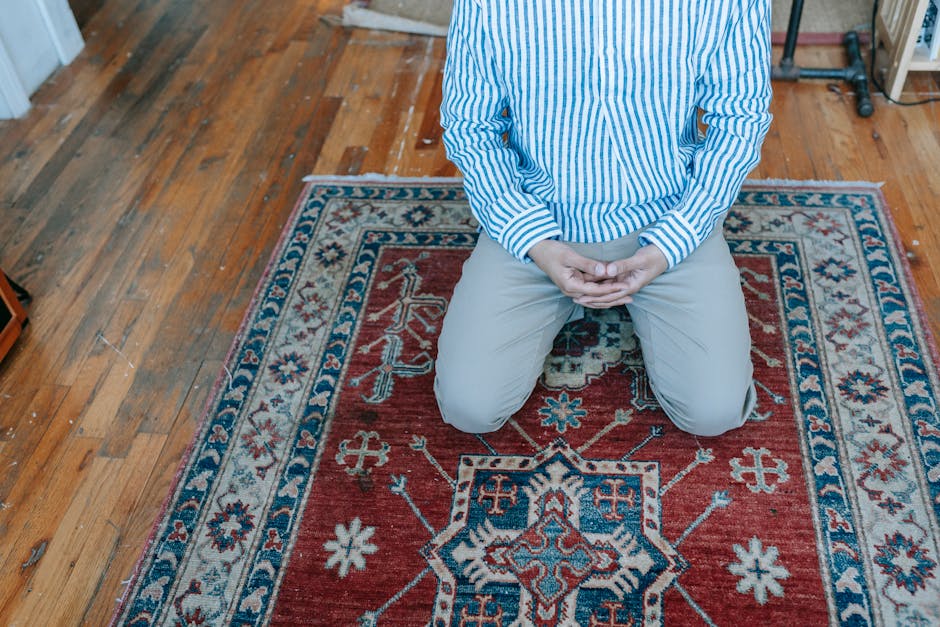
Gardening while kneeling creates a specific kind of stress on your knee joints that feels different from other activities. The pressure isn't constant—it builds gradually, then sometimes eases if you shift position, which makes it easy to convince yourself you can push through for just a few more minutes.
Why kneeling in the garden bothers your knees
🦵 Not sure what's causing your knee pain?
Answer 5 quick questions and get a personalised result.
Find My Pattern → 60 seconds · No sign-upWhen you kneel, your full body weight concentrates through a relatively small area of bone and cartilage. The pressure isn't distributed the way it is when you're standing or walking. Several things can make this pressure feel sharper or build faster.
Direct compression on the kneecap and surrounding tissue. Kneeling places sustained pressure directly on your patella (kneecap) and the soft tissues underneath. If the cartilage under your kneecap has thinned over time, or if the surrounding muscles aren't providing enough support, that pressure can create a dull, grinding sensation. Some people describe it as feeling like bone pressing on bone, which no pad seems to fully cushion because the problem isn't really the surface you're kneeling on—it's what's happening inside the joint.
Repetitive shifting of weight between knees. Gardening isn't static kneeling. You rock forward, lean back, shift to reach something to the side, then move to the other knee. Each weight shift creates a moment of instability where the muscles around your knee have to work harder to keep the joint stable. That's often when the sharp pinch appears—not during the kneeling itself, but during the transition.
Muscle fatigue and lack of support. The muscles around your knee—especially the quadriceps and the muscles on the inside of your thigh—help stabilize the joint and absorb pressure. If these muscles tire quickly or aren't strong enough for the demands of gardening, your knee joint bears more of the load. This can create an ache that feels manageable during gardening but intensifies 2 to 3 hours afterward, sometimes even the next day.
Tightness in surrounding areas. Tight hip flexors, hamstrings, or calf muscles can change how your knee tracks when you kneel and move. This misalignment places stress on parts of the knee that aren't designed to handle it, creating localized pain or that sensation of pressure that feels like it's coming from deep inside the joint.
Practical approaches to try
Experiment with different kneeling positions before pain arrives. Instead of waiting until you're already uncomfortable, try kneeling on one knee with the other leg bent in front of you (a half-kneel position). This reduces pressure on the kneeling knee and can feel more stable when you're reaching to the side. Some gardeners find that alternating which knee bears weight every 5 to 10 minutes prevents pain from building in one spot. Notice which positions feel lighter or less pressured—that information matters more than what any article recommends.
Use a kneeling pad, but know its real limitations. A cushioned pad does reduce the hardness of the ground, which helps. But be honest about what it actually does: it makes kneeling more comfortable for the first 15 to 20 minutes, then often becomes uncomfortable itself because you're still concentrating all your weight through the same joint. A pad isn't a solution that lets you kneel indefinitely—it's a tool that buys you time. Some gardeners find that a thicker, gel-filled pad works better than a thin foam one, or that a garden kneeler (the kind you can flip to use as a seat) reduces pressure because it distributes your weight differently.
Take breaks before pain forces you to stop. This sounds simple, but it's the opposite of how most people approach it. Instead of gardening until your knee hurts and then taking a break, try standing up and walking around every 15 to 20 minutes, before discomfort sets in. This prevents the pressure from building to the point where pain lingers after you stop. You'll actually accomplish more gardening over the course of the day because you're not spending time recovering from overdoing it.
Strengthen the muscles that support your knee. Weak quadriceps and hip muscles make your knee joint work harder. Simple exercises like straight-leg raises, step-ups, or wall squats can build the support your knee needs. These don't have to be intense—consistency matters more than intensity. Many gardeners find that 10 minutes of gentle strengthening 3 times a week noticeably reduces how quickly pain builds when kneeling.
Warm up before kneeling and ease into it. A few minutes of walking or light movement before you start gardening increases blood flow to the area and prepares the muscles for work. Starting with lighter tasks (like deadheading flowers) before moving to more demanding ones (like digging) gives your knee time to adapt.
When to reach out to a professional
Pain that prevents you from kneeling at all, pain that doesn't improve with rest, or pain accompanied by significant swelling, instability (your knee feeling like it might give out), or stiffness that makes standing up from a kneeling position extremely difficult—these warrant a conversation with a healthcare provider. The same applies if pain appears suddenly after an injury, or if you notice numbness or tingling. For useful context, knee pain when kneeling down tends to have the same mechanical roots and overlapping solutions.
Safety note: If you have severe pain, significant swelling, a recent injury, fever, numbness, or difficulty bearing weight, speak with a qualified healthcare professional promptly.
Frequently Asked Questions
Q: Can I still walk normally when I have knee pain when gardening kneeling?
A: Many people manage normal walking despite this kind of discomfort. If walking causes you to limp or noticeably change your gait, though, that's worth addressing — compensating patterns often create new problems in the hips, lower back, or opposite knee over time.
Q: When should I stop exercising because of knee pain when gardening kneeling?
A: Stop if the pain is sharp, climbing steadily during exercise, or causing you to change how you move. Mild, stable discomfort that stays at a 2 to 3 out of 10 is often acceptable to work through gently. Anything above that — or pain that simply feels wrong — is your cue to stop and reassess.
Q: How long does knee pain when gardening kneeling usually last?
A: This varies a lot depending on the cause. Minor muscle strain or overuse tends to settle within a few days to two weeks with appropriate rest and gentle movement. If it hasn't improved after three weeks — or symptoms are worsening — that's a clear signal to get a professional opinion.
One Thing to Try First
Most people who take early, sensible action recover well. Start with what you can manage today and monitor closely. If things are not improving after a few weeks, that is the right time to bring in professional support.
Helpful Next Step
As an Amazon Associate, we may earn from qualifying purchases. This does not affect the price you pay.
Helpful Support Option
If kneeling is part of your daily routine, padded knee protection can reduce direct pressure on the joint and the surrounding soft tissue.
See knee pad optionsHelpful Next Step
If gentle support helps during recovery, you can check a simple support option that many people use in daily life.
This content is for educational purposes only and does not constitute medical advice. Always consult a qualified healthcare professional for diagnosis and treatment.