🦵 Not sure what's causing it? Take the 5-question knee quiz.
Find My Pattern →Knee Pain When Kneeling Down
Kneeling down to garden, pray, play with a child, or clean a low shelf — these ordinary moments can stop you cold. Sometimes the pain hits the instant your knee touches the ground, a sharp twinge that makes you hesitate before committing your full weight. Other times it's quieter: you kneel fine, but after two or three minutes of staying down, a dull ache builds until you have to shift position or stand up. And then there's the stiffness afterward — the moment you try to straighten back up and your knee feels stiff, reluctant, almost creaky. That moment of dread before kneeling, wondering if today will be a painful day or not, adds its own weight to the experience.
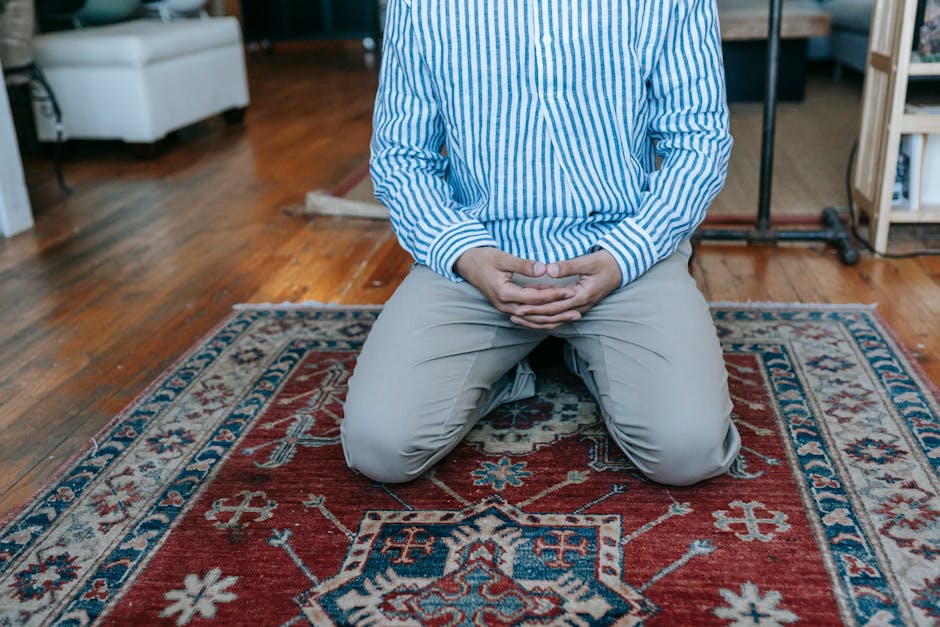
Why kneeling puts pressure on your knee
🦵 Not sure what's causing your knee pain?
Answer 5 quick questions and get a personalised result.
Find My Pattern → 60 seconds · No sign-upWhen you kneel, your knee joint bends to roughly 90 degrees, and the kneecap (patella) sits in a groove in your thighbone. The soft tissues around the knee — tendons, cartilage, and the bursa (a fluid-filled cushion) — absorb pressure and friction. If any of these structures are irritated, inflamed, or weakened, kneeling can trigger pain. For useful context, knee pain after walking down stairs tends to have the same mechanical roots and overlapping solutions.
Several patterns often show up. Patellar tendinitis, inflammation in the tendon below your kneecap, may produce a sharp pain right at the moment of contact with the ground. This happens because kneeling compresses the tendon against the bone. Patellofemoral pain, a dull ache behind or around the kneecap, can build gradually as you stay kneeling because the cartilage under the kneecap experiences sustained pressure. Bursitis, inflammation in the bursa on the front of your knee, often creates a throbbing, tender sensation that worsens the longer you kneel. Muscle weakness or tightness in your quadriceps or hip muscles can also shift how your kneecap tracks in its groove, making kneeling uncomfortable.
One detail that often gets overlooked: the surface matters. Kneeling on carpet feels different from tile or hardwood because carpet provides some cushioning, while hard surfaces transfer force more directly into your knee. If your pain is much worse on hard floors but manageable on carpet, it suggests the issue is pressure-related rather than a structural problem inside the joint. It's worth knowing that knee pain at night when lying down follows a very similar pattern and responds to the same kind of approach.
Practical approaches to try
Start with surface and duration adjustments. If you need to kneel regularly — gardening, cleaning, prayer — try a kneeling pad or cushion first. A thick foam pad, yoga mat, or even a folded towel under your knees reduces direct pressure on the joint and bursa. This is worth testing before trying anything else, because sometimes the solution is simply not forcing your knee to absorb impact on hard ground.
Modify how you kneel. Instead of kneeling on both knees equally, try shifting more weight to one side or resting on one knee while the other foot stays planted. Notice which position feels better — that tells you something about where the irritation lives. Some people find that kneeling on their toes (so the tops of the feet are on the ground instead of the shins) reduces pressure on the front of the knee.
Ice after kneeling, not just during pain. If you've spent time kneeling and notice soreness building hours later when you're sitting down, apply ice then. A 15-minute ice session after activity, rather than waiting for pain to peak, can reduce inflammation before it builds. Cold works better for prevention than for rescue once pain is already sharp.
Stretch your quadriceps and hip flexors gently. Tightness in the front of your thigh can pull on the kneecap and make kneeling worse. A simple quad stretch — standing, pulling your heel toward your buttock — held for 20-30 seconds, a few times a day, may ease some of the tension. Do this gently; forcing a stretch when your knee is irritated can backfire.
Take breaks before pain forces you to. If you know kneeling becomes uncomfortable after five minutes, stand up after three. Staying ahead of pain is easier than pushing through it and dealing with inflammation afterward.
When to reach out to a professional
If your pain is sharp enough that you can't kneel at all, or if it's getting worse despite these adjustments, a physical therapist or doctor can assess what's actually happening. The same goes if you notice swelling, warmth, or redness around your knee, or if the pain started after a specific injury or fall.
Safety note: If you have severe pain, significant swelling, a recent injury, fever, numbness, or difficulty bearing weight, speak with a qualified healthcare professional promptly.
Frequently Asked Questions
Q: Why does my knee feel worse after sitting for a long time?
A: This pattern — stiffness or pain after prolonged sitting that eases once you move around — is a hallmark of irritation around the kneecap or the soft tissues surrounding it. The joint stiffens in a flexed position, and the first movement disturbs it. Most people find it settles within a minute or two of walking.
Q: Is it safe to exercise with knee pain when kneeling down?
A: Gentle, low-impact movement is often beneficial — walking, swimming, and cycling tend to be well-tolerated. Avoid anything that sharply increases the discomfort. A physiotherapist can help identify which exercises are right for your specific situation and severity.
Q: How long does knee pain when kneeling down usually last?
A: This varies a lot depending on the cause. Minor muscle strain or overuse tends to settle within a few days to two weeks with appropriate rest and gentle movement. If it hasn't improved after three weeks — or symptoms are worsening — that's a clear signal to get a professional opinion.
One Thing to Try First
Most people who take early, sensible action recover well. Start with what you can manage today and monitor closely. If things are not improving after a few weeks, that is the right time to bring in professional support.
Helpful Next Step
As an Amazon Associate, we may earn from qualifying purchases. This does not affect the price you pay.
Helpful Support Option
If kneeling is part of your daily routine, padded knee protection can reduce direct pressure on the joint and the surrounding soft tissue.
See knee pad optionsHelpful Next Step
If gentle support helps during recovery, you can check a simple support option that many people use in daily life. People dealing with this frequently also notice knee pain worse going down than up stairs, particularly after extended periods of inactivity.
This content is for educational purposes only and does not constitute medical advice. Always consult a qualified healthcare professional for diagnosis and treatment.