🦵 Not sure what's causing it? Take the 5-question knee quiz.
Find My Pattern →Knee Swollen After Sports Injury
Your knee felt fine during the game—adrenaline kept you moving. But three hours later, sitting on the couch, you notice the tightness creeping in around your kneecap. By morning, it's visibly swollen, maybe twice its normal size. That sharp twinge shoots through when you first try to stand. You watch the swelling deflate slightly by afternoon, then balloon again by evening. It's the unpredictability that's unsettling—you can't tell if this is something that'll resolve in days or something that's genuinely wrong.
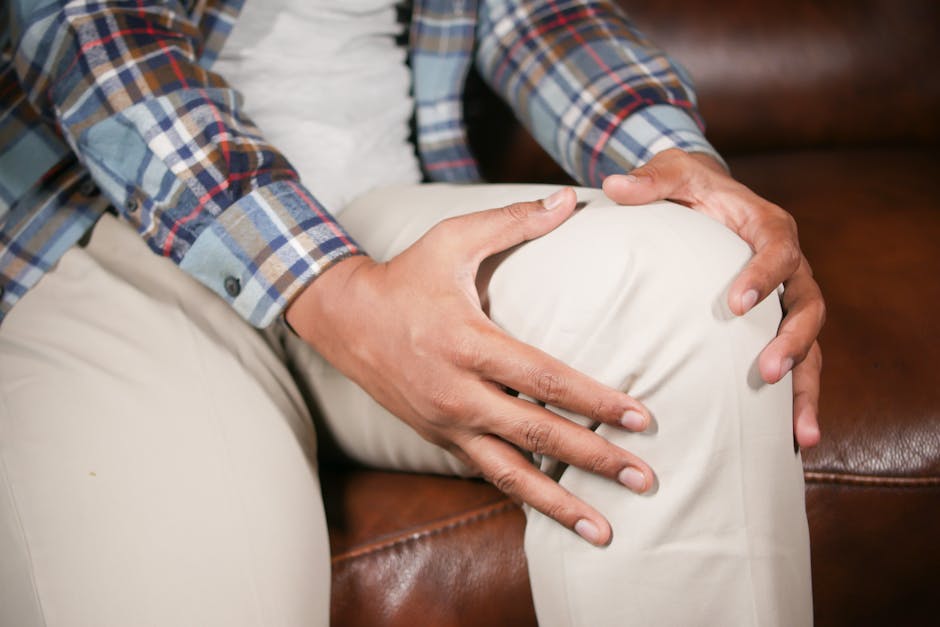
Why your knee swells after a sports injury
🦵 Not sure what's causing your knee pain?
Answer 5 quick questions and get a personalised result.
Find My Pattern → 60 seconds · No sign-upSwelling after a sports injury isn't random. Your knee is responding to trauma, and understanding what's happening can help you make better decisions about what comes next.
When you twist, pivot, or take a hard impact during sports, the tissues inside your knee—ligaments, cartilage, the joint lining itself—can stretch or tear. Your body immediately sends fluid to the area as a protective response. That fluid buildup is swelling, and it can happen within minutes or creep up over several hours. The delayed swelling (the kind that surprises you later that evening) often indicates inflammation deeper in the joint, not just surface-level irritation. For useful context, swollen knee with no injury tends to have the same mechanical roots and overlapping solutions.
Swelling can also result from a small bleed inside the joint if blood vessels were damaged. This type of swelling tends to feel heavier, more tense, and it may look darker or feel warmer than regular fluid buildup. Fluid accumulation around the kneecap (called an effusion) is common after impact injuries and can make your knee feel stiff and restricted, especially when you try to straighten it fully.
Sometimes swelling masks what's actually injured. A ligament sprain, a cartilage tear, or fluid in the bursa (the small cushioning sacs around your knee) can all produce similar puffiness. That's why the swelling itself isn't a diagnosis—it's your body's way of saying something needs attention.
What you can do while the swelling is active
Start with movement that doesn't aggravate the injury. This doesn't mean complete stillness. Gentle, pain-free motion—like slow knee bends while sitting or light walking on flat ground—can actually help fluid circulation better than staying completely immobile. The key is finding the threshold where movement feels okay and stopping before you feel a sharp pain or increased tightness.
Ice works best in the first 48 hours after injury, when inflammation is most active. Apply ice for 15-20 minutes, then remove it for at least 30 minutes before reapplying. You'll notice the swelling doesn't disappear completely—that's normal. Ice reduces inflammation, but your body still needs that protective fluid there temporarily. Some people find that icing before bed helps them wake up with less swelling, though this varies person to person.
Compression with a sleeve or wrap can feel genuinely helpful. The pressure reminds your nervous system that the area is supported, which often reduces the sensation of heaviness and tightness. Wrap snugly enough that it feels secure, but not so tight that your foot goes numb or cold. If you're wrapping at night, loosen it slightly—you want support, not restriction while you sleep.
Elevation above heart level does reduce swelling, though the effect is modest and temporary. Lying on your back with your knee propped on pillows so your thigh is higher than your hip can help fluid drain away from the joint. You might notice the swelling decreases while you're elevated, then returns when you stand. That's expected. This pattern is related to knee pain after twisting injury, and the same management principles often apply.
Anti-inflammatory medication (ibuprofen or naproxen) can reduce swelling and pain, but it works best when taken consistently in the first few days rather than sporadically. Take it with food, and follow the dosage on the package. Some people find it helps them sleep better because the reduced inflammation means less nighttime throbbing.
Avoid heat in the first week. Heat feels soothing, but it increases blood flow to the area and can worsen swelling. Save heat for later in recovery, after the acute inflammation has settled.
Recognizing when professional evaluation matters
Swelling that doesn't improve after a week, or swelling that worsens despite rest and ice, needs professional attention. The same goes if you can't bear weight on the leg, or if the knee gives way or feels unstable when you try to stand.
Pay attention to how the swelling feels. If it's accompanied by significant warmth, redness, or if you develop a fever, those are signs of possible infection and warrant urgent care. Numbness, tingling, or a feeling that your foot is "falling asleep" suggests nerve compression from the swelling and should be evaluated.
The psychological piece matters too. If you're feeling pressure to return to your sport or resume normal activity before the swelling resolves, resist that. Swelling is your knee's way of enforcing rest. Pushing through it often extends recovery time rather than shortening it.
Safety note: If you have severe pain, significant swelling, a recent injury, fever, numbness, or difficulty bearing weight, speak with a qualified healthcare professional promptly.
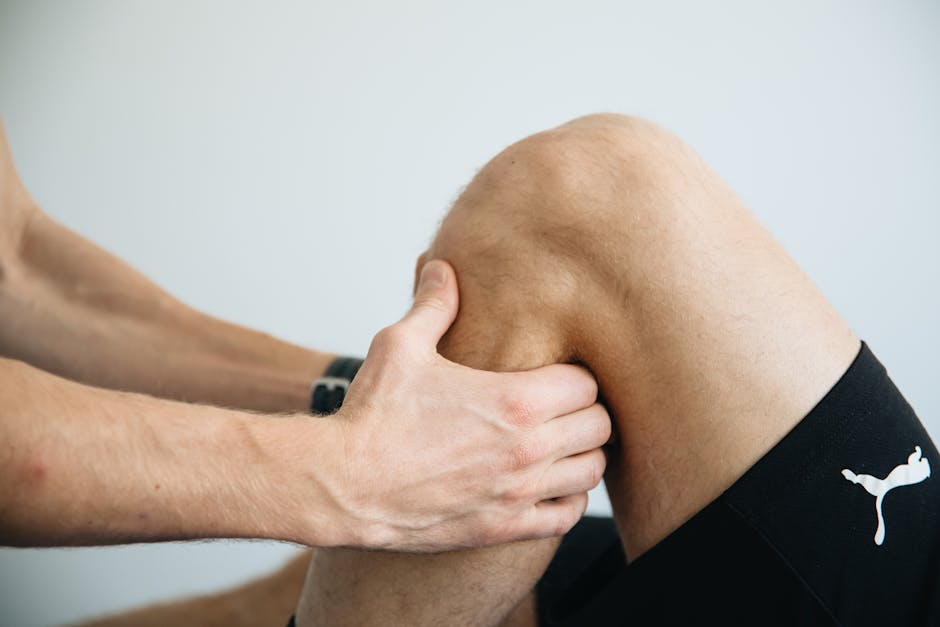
Frequently Asked Questions
Q: Should I apply heat or ice to a painful knee?
A: Cold — ice wrapped in a cloth — works better for acute flare-ups, particularly in the first 24 to 48 hours when the area feels warm or inflamed. Gentle heat tends to be more helpful for muscle stiffness and chronic, recurring aches. Never apply either directly to bare skin.
Q: Is it safe to exercise with knee swollen after sports injury?
A: Gentle, low-impact movement is often beneficial — walking, swimming, and cycling tend to be well-tolerated. Avoid anything that sharply increases the discomfort. A physiotherapist can help identify which exercises are right for your specific situation and severity.
Q: When should I stop exercising because of knee swollen after sports injury?
A: Stop if the pain is sharp, climbing steadily during exercise, or causing you to change how you move. Mild, stable discomfort that stays at a 2 to 3 out of 10 is often acceptable to work through gently. Anything above that — or pain that simply feels wrong — is your cue to stop and reassess.
What To Do Tomorrow Morning
Most people who take early, sensible action recover well. Start with what you can manage today and monitor closely. If things are not improving after a few weeks, that is the right time to bring in professional support.
Helpful Next Step
As an Amazon Associate, we may earn from qualifying purchases. This does not affect the price you pay.
Helpful Support Option
If this type of knee discomfort shows up during daily movement, light support may help reduce strain on the joint while you work on the underlying cause.
See knee support options on AmazonHelpful Next Step
If gentle support helps during recovery, you can check a simple support option that many people use in daily life. There's a close connection between this and knee swollen after exercise — the same structures are usually involved.
This content is for educational purposes only and does not constitute medical advice. Always consult a qualified healthcare professional for diagnosis and treatment.