🦵 Not sure what's causing it? Take the 5-question knee quiz.
Find My Pattern →Knee Swollen After Exercise
Swelling shows up a few hours after a workout—sometimes not until evening—and by the next morning your knee feels stiff and puffy, like the joint has tightened overnight. The skin around your kneecap or along the sides feels warm to the touch, different from the normal muscle soreness elsewhere. You can see the difference when you compare both knees side by side. It's the kind of swelling that improves slightly by mid-morning, then gradually worsens again as the day goes on, especially if you've been on your feet or sitting with the leg bent. The frustration is real: you felt fine during the workout, maybe even strong, and now you're wondering if you've done something wrong—or if you can safely train again tomorrow.
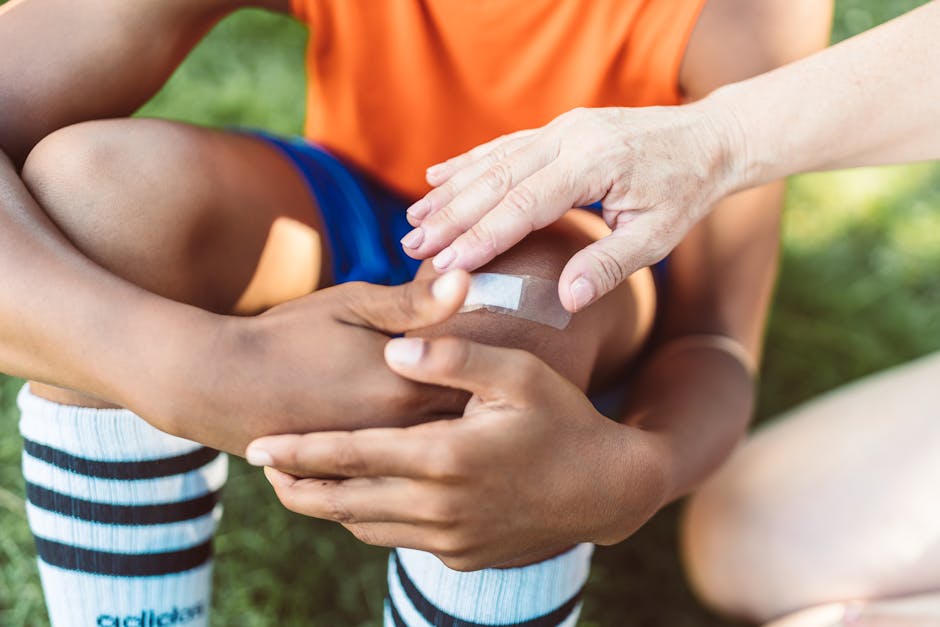
Why your knee swells after exercise
Post-exercise knee swelling usually stems from one or more of these patterns.
Inflammation from overload happens when you've done more volume, intensity, or impact than your knee is currently conditioned for. This doesn't mean you've injured yourself. Your tissues respond to the demand by increasing fluid around the joint as part of the normal repair process. The swelling can feel tight and pressurized, especially when you bend the knee or sit with it folded for more than 20 or 30 minutes. Many people notice the tightness becomes almost unbearable once they've been still, then eases slightly with gentle movement.
Fluid accumulation from irritation can happen when structures inside or around the knee—the cartilage, the lining of the joint, or the tendons—are working harder than usual. The body sends fluid to protect and cushion these tissues. This type of swelling often has a delayed quality: you finish exercising feeling fine, but by evening the knee feels heavy and visibly puffy. You might notice warmth radiating from the joint, distinct from the warmth of tired muscles.
Minor soft-tissue stress from repetitive motion or awkward angles during exercise can trigger localized swelling. Running on a banked surface, performing lateral movements, or doing exercises with poor form can all create this response. The swelling may appear on one side of the knee or around the kneecap, and sometimes you'll feel a sharp catch or catching sensation when you move through certain angles or put weight on the leg.
Insufficient recovery between sessions amplifies swelling. If you've trained hard several days in a row without adequate rest, your knee may not have cleared the inflammation from the previous session before the new one begins, creating a cumulative effect.
What to try
Ice strategically after activity. Apply ice within the first two hours after exercise while the inflammatory response is active. A 15-minute application is often enough; longer isn't necessarily better and can sometimes create a rebound effect. The goal isn't pain relief—it's slowing the inflammatory cascade. Many people find ice most effective right after the workout, then again in the evening if swelling is visible.
Manage the swelling cycle. Elevation helps, but timing matters. Lying down with your knee supported on a pillow for 20 to 30 minutes in the evening can help fluid drain. You might notice the swelling improves noticeably by morning, then returns as you move through the day—this is normal and doesn't mean you're getting worse.
Reduce load the next day, don't eliminate it. Complete rest sometimes feels safer, but gentle movement often helps more than immobility. Light walking, easy cycling, or swimming can actually reduce swelling faster than sitting still. The key is avoiding the movements or intensity that triggered the swelling in the first place. This is where decision paralysis hits hardest: you have to distinguish between "I should skip this" and "I should do this differently."
Compress thoughtfully. A compression sleeve or wrap can reduce swelling and provide feedback about where the knee is in space, which helps with movement quality. Wear it during activity and for a few hours after if swelling is noticeable, but remove it at night to allow normal circulation.
Track your training load. Swelling often signals you've increased volume, intensity, or frequency too quickly. Stepping back slightly for a few days—not stopping, just moderating—gives your tissues time to adapt without deconditioning you further.
Not sure what's causing your knee pain? Take our 5-question quiz to find your pattern — Start the quiz →
When swelling means you need professional input
Swelling that appears within minutes of injury, swelling accompanied by significant pain even at rest, or swelling that doesn't improve after several days of modified activity warrants a professional evaluation. The same applies if the swelling is only on one side and you can't identify what caused it, or if you notice warmth that feels like heat rather than normal post-exercise warmth.
Safety note: If you have severe pain, significant swelling, a recent injury, fever, numbness, or difficulty bearing weight, speak with a qualified healthcare professional promptly.
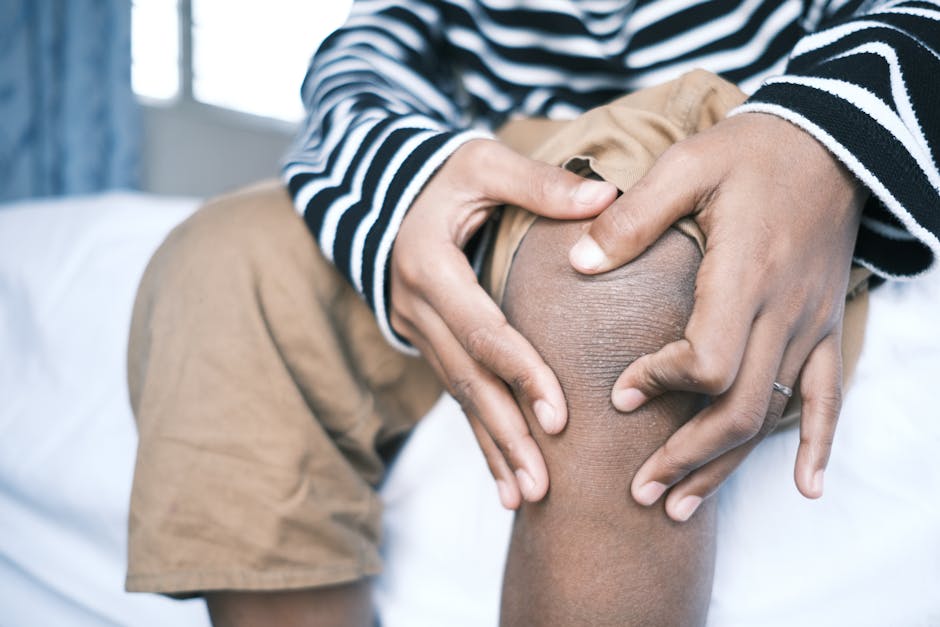
Frequently Asked Questions
Q: Is it normal to hear clicking sounds alongside knee swollen after exercise?
A: Joint sounds are extremely common and usually harmless — they often come from gas bubbles in the joint fluid or tendons flicking over bony prominences. If the clicking is painless and your knee functions normally, it's generally nothing to worry about. If it's accompanied by pain or swelling, mention it to a healthcare professional.
Q: How long does knee swollen after exercise usually last?
A: This varies a lot depending on the cause. Minor muscle strain or overuse tends to settle within a few days to two weeks with appropriate rest and gentle movement. If it hasn't improved after three weeks — or symptoms are worsening — that's a clear signal to get a professional opinion.
Q: Is it safe to exercise with knee swollen after exercise?
A: Gentle, low-impact movement is often beneficial — walking, swimming, and cycling tend to be well-tolerated. Avoid anything that sharply increases the discomfort. A physiotherapist can help identify which exercises are right for your specific situation and severity.
One Thing to Try First
Most people who take early, sensible action recover well. Start with what you can manage today and monitor closely. If things are not improving after a few weeks, that is the right time to bring in professional support. It's worth knowing that swollen knee with no injury follows a very similar pattern and responds to the same kind of approach.
Helpful Next Step
As an Amazon Associate, we may earn from qualifying purchases. This does not affect the price you pay.
Helpful Support Option
Cold therapy wraps can help manage inflammation and reduce discomfort after activity. They're a simple, low-effort addition to a broader self-management routine.
See cold therapy knee optionsWant a more personalised recommendation? Take the 5-question quiz →
Helpful Next Step
If gentle support helps during recovery, you can check a simple support option that many people use in daily life.
This content is for educational purposes only and does not constitute medical advice. Always consult a qualified healthcare professional for diagnosis and treatment.