🦵 Not sure what's causing it? Take the 5-question knee quiz.
Find My Pattern →Knee Swelling Worse in the Afternoon Than Morning
Waking up, the knee feels almost normal. The swelling that plagued you yesterday evening has mostly retreated. Around 9 or 10am, things still feel manageable—you can walk without that heavy, waterlogged sensation. But somewhere between lunch and mid-afternoon, something shifts. By 3 or 4pm, the tightness creeps in. Shoes that fit fine this morning now feel like they're cutting off circulation. If you wear a watch or ring, the indents are noticeably deeper. The knee itself feels puffy, stiff, and that dull ache that was barely noticeable at breakfast has become impossible to ignore. Then evening arrives, and you go through the familiar ritual: removing compression gear, elevating the leg at a specific angle that finally feels right, maybe applying ice. By morning, the cycle begins again.
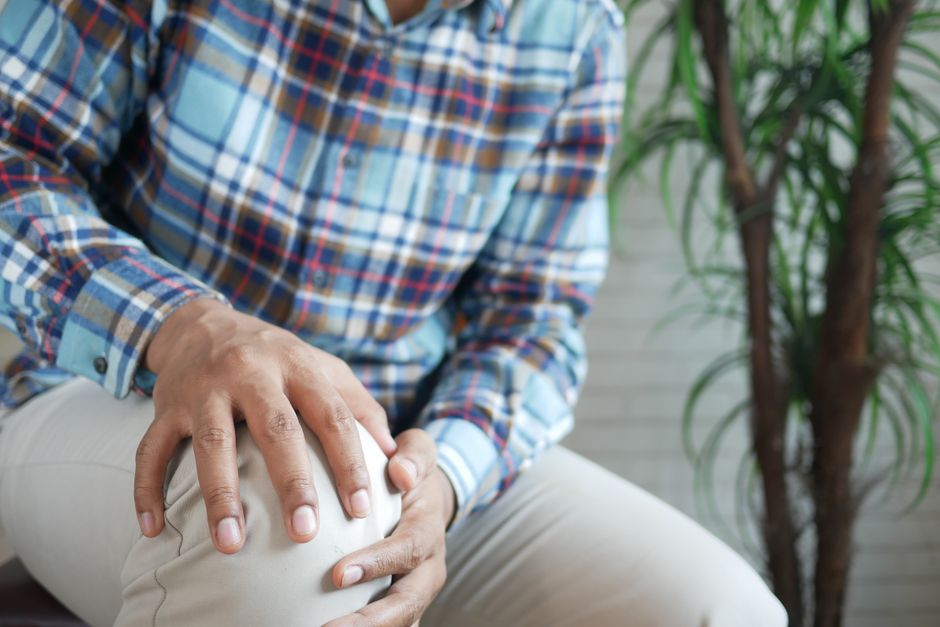
This pattern—where swelling improves overnight but worsens predictably through the day—can feel demoralizing, especially when you're trying everything "right" and it still happens. For useful context, knee pain that is worse in the morning tends to have the same mechanical roots and overlapping solutions.
Why afternoon swelling develops despite a calm morning
🦵 Not sure what's causing your knee pain?
Answer 5 quick questions and get a personalised result.
Find My Pattern → 60 seconds · No sign-upSeveral factors often work together to create this timing pattern, and understanding them can help you interrupt the cycle.
Fluid shifts and gravity throughout the day. When you stand and move, fluid naturally pools in the lower leg and knee due to gravity. Unlike the morning when you've been horizontal for hours, the afternoon knee has been working against gravity for most of the day. This isn't about inflammation alone—it's about fluid distribution. The longer you're upright, the more fluid settles in that joint space, creating that heavy, swollen feeling.
Activity accumulation without recovery. Morning activity feels different from afternoon activity because your knee hasn't yet fatigued. Even if you're doing the same things—walking, sitting at a desk, light movement—the joint has less capacity to manage fluid and inflammation by 3pm than it did at 9am. Small irritations throughout the day compound. A slightly longer walk at lunch, extra stairs, or even prolonged sitting can trigger swelling that doesn't peak until hours later.
Weather and barometric pressure changes. This angle often gets dismissed, but many people notice swelling worsens on specific days regardless of activity level. Drops in barometric pressure can affect how easily fluid moves in and out of joint spaces. If you track your swelling patterns and notice it's worse on certain weather days, this may be playing a role—and it's not something you can prevent, only prepare for.
Cumulative inflammation from earlier in the day. Morning swelling is lower partly because inflammation markers haven't built up yet. As the day progresses and the knee responds to use, inflammatory chemicals gradually increase. Even if you're resting in the afternoon, the inflammation triggered by morning and midday activity is still peaking.
Practical steps to reduce afternoon swelling
These approaches work best when started early in the day, not as emergency measures at 5pm. This pattern is related to knee swelling in the morning, and the same management principles often apply.
Adjust your compression timing and type. Rather than waiting until evening, try wearing a compression sleeve or wrap starting mid-morning—before swelling has a chance to accelerate. Many people find that compression applied preventatively is more effective than applied after swelling has already developed. Pay attention to how tight it feels: snug enough to provide support, but not so tight it creates those deep indents by day's end. Some people prefer a softer compression sock in the morning and switch to a firmer wrap by afternoon.
Create a midday elevation break. This doesn't mean full rest. Spend 10–15 minutes around 2 or 3pm with your leg elevated above heart level—higher than you'd think necessary. Prop it on a desk, a couch arm, or a pillow so the knee is genuinely above the level of your heart. This interrupts fluid pooling before it becomes pronounced. Many people find this single habit reduces their 4pm swelling noticeably.
Manage activity intensity across the day, not just in one block. Spreading movement throughout the day, rather than doing most activity in the morning, can reduce afternoon swelling. If you typically take a longer walk or do more physical work in the morning, consider shifting some of that to earlier hours and keeping afternoon activity lighter and more frequent. Consistent gentle movement often triggers less swelling than concentrated effort followed by sitting.
Apply cold strategically in early afternoon. Ice applied around 2–3pm, before swelling peaks, may prevent it from worsening as much as it would otherwise. A 15–20 minute application of cold can reduce inflammation before it compounds. This is different from applying ice in the evening after swelling has already developed—timing matters.
Track your swelling against specific triggers. Keep a simple log for a week or two: note the weather, what you did that day, how much you walked, when you sat, and how bad the swelling was by evening. Patterns often emerge. You may discover that certain activities, weather conditions, or even foods correlate with worse afternoon swelling. This information helps you make targeted adjustments rather than guessing.
When professional evaluation becomes important
Afternoon swelling that follows this pattern is common, but it shouldn't be assumed to be harmless. If the swelling is worsening over weeks despite your efforts, if it's accompanied by warmth or redness, if it's only on one knee and the other doesn't swell, or if it's starting to affect your ability to walk or work, a healthcare professional can help identify what's driving it.
Safety note: If you have severe pain, significant swelling, a recent injury, fever, numbness, or difficulty bearing weight, speak with a qualified healthcare professional promptly.
Frequently Asked Questions
Q: What happens if I ignore knee swelling worse in the afternoon than morning?
A: In some cases, minor knee discomfort does resolve on its own. But consistently ignoring pain — especially if it's altering how you move — can allow the underlying cause to worsen. Most people find that early, sensible attention leads to faster recovery than waiting it out indefinitely.
Q: Can stretching help with knee swelling worse in the afternoon than morning?
A: Gentle stretching of the quadriceps, hamstrings, calves, and hip flexors can reduce the muscular tension that contributes to knee discomfort. A sustained, comfortable hold of 20 to 30 seconds is far more effective and safer than aggressive or bouncing stretches.
Q: When should I stop exercising because of knee swelling worse in the afternoon than morning?
A: Stop if the pain is sharp, climbing steadily during exercise, or causing you to change how you move. Mild, stable discomfort that stays at a 2 to 3 out of 10 is often acceptable to work through gently. Anything above that — or pain that simply feels wrong — is your cue to stop and reassess.
Where to Go From Here
Most people who take early, sensible action recover well. Start with what you can manage today and monitor closely. If things are not improving after a few weeks, that is the right time to bring in professional support.
Helpful Next Step
As an Amazon Associate, we may earn from qualifying purchases. This does not affect the price you pay.
Helpful Support Option
Cold therapy wraps can help manage inflammation and reduce discomfort after activity. They're a simple, low-effort addition to a broader self-management routine.
See cold therapy knee optionsHelpful Next Step
If gentle support helps during recovery, you can check a simple support option that many people use in daily life. There's a close connection between this and knee balloons after exercise then goes down by morning — the same structures are usually involved.
This content is for educational purposes only and does not constitute medical advice. Always consult a qualified healthcare professional for diagnosis and treatment.