🦵 Not sure what's causing it? Take the 5-question knee quiz.
Find My Pattern →Knee Pain That is Worse in the Morning
You wake up feeling reasonably fine. Then you swing your legs out of bed and feel it—a sharp catch or a dull, heavy sensation that makes you pause before putting weight down. Or maybe you make it to the bathroom and notice the pain creeping in with each step, as if your knee needs permission to work again. By the time you're showering, you're moving stiffly, gripping the wall, waiting for that slow thaw to happen. Some mornings it takes 20 minutes of movement before things loosen. Other mornings it takes two hours. This isn't just stiffness that vanishes with coffee. This is pain that has a schedule, and that schedule starts the moment you stop being still.
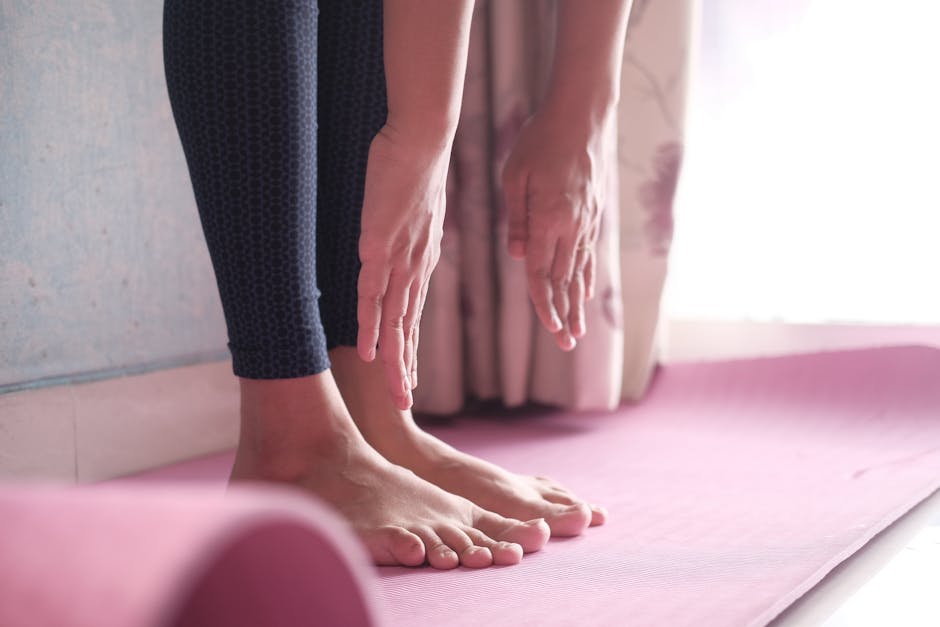
Why mornings make it worse
When your knee stays in one position for hours—bent or slightly bent while you sleep—the fluid inside the joint doesn't move around as much. This fluid, called synovial fluid, keeps the joint surfaces slippery and nourished. After a long rest, it can pool unevenly or thicken slightly, making the joint feel stiff and sometimes painful when you first load weight on it again. Think of it like a door hinge that hasn't been used overnight—it needs movement to work smoothly.
The tissues around your knee can also tighten during sleep. Tendons, ligaments, and the joint capsule don't stretch or contract while you're lying still, so they're in a shortened state when you wake. If there's any inflammation in these tissues—from overuse the day before, from an old injury, or from an ongoing condition—that tightness can feel much more noticeable in the first few minutes of the day. It's worth knowing that knee pain first thing in the morning follows a very similar pattern and responds to the same kind of approach.
Some people find their morning pain is worse after a particularly active day. Your knee may have worked hard yesterday, and overnight inflammation peaks. This delayed response means the pain you feel at 7 a.m. is sometimes a direct result of what you did on your feet at 3 p.m. the day before—a connection that's easy to miss if you're not tracking the pattern closely.
Weather and barometric pressure changes can also play a role. Many people report that mornings after humid nights or pressure drops feel stiffer and more painful, though the exact mechanism isn't fully understood. If you've noticed your morning pain is worse on certain types of days—rainy mornings, or the day after weather shifts—that observation is real and worth tracking.
What you can try
Start moving gently before you put full weight on the knee. While you're still lying in bed or sitting on the edge, straighten and bend your leg slowly several times. This isn't a stretch—it's just motion. The goal is to get that synovial fluid moving and wake up the muscles around the joint. Do this for 30 to 60 seconds before you stand up. Many people find this small pause makes a real difference in how the first few steps feel.
Apply warmth to the knee before you get out of bed if that feels soothing to you. A heating pad on low, a warm blanket, or even a hot water bottle can ease the stiffness. Warmth doesn't reduce inflammation the way ice does, but it can relax tight tissues and make movement feel less painful. Give it five to ten minutes. If warmth makes your pain worse, stop—some people respond better to cold or to movement alone.
Move slowly through your morning routine. The instinct is often to push through the pain or move quickly to "warm it up," but jerky movements or forcing weight-bearing too soon can aggravate things. Walk slowly to the bathroom, take your time getting dressed, and let your knee gradually adjust to bearing weight. This isn't weakness—it's listening to what your knee is telling you about its pace.
Pay attention to the previous day's activity. If you notice morning pain is worse after days when you've been on your feet more, or after activities that stressed your knee, try adjusting your activity level or building in extra rest. This pattern—worse mornings after active days—is one of the most reliable clues that your knee is reacting to load. People dealing with this frequently also notice knee pain worse going down than up stairs, particularly after extended periods of inactivity.
Consider your sleep position. If you sleep with a pillow between your knees (if you sleep on your side) or under your knees (if you sleep on your back), this can reduce the angle your knee is held in overnight, which may ease morning stiffness for some people. Experiment to see if position changes help, but don't force an uncomfortable position just to test it.
Not sure what's causing your knee pain? Take our 5-question quiz to find your pattern — Start the quiz →
When to see a professional
If your morning knee pain has been present for more than two weeks without improvement, or if it's getting worse, schedule an appointment with a doctor or physical therapist. They can assess whether there's an underlying structural issue, inflammation, or movement pattern that needs attention.
Also seek professional input if the pain is so severe that it's affecting your sleep quality—if you're waking during the night because of pain, or if anxiety about morning pain is keeping you awake the night before. That level of impact deserves proper evaluation.
Safety note: If you have severe pain, significant swelling, a recent injury, fever, numbness, or difficulty bearing weight, speak with a qualified healthcare professional promptly.

Frequently Asked Questions
Q: Is it safe to exercise with knee pain that is worse in the morning?
A: Gentle, low-impact movement is often beneficial — walking, swimming, and cycling tend to be well-tolerated. Avoid anything that sharply increases the discomfort. A physiotherapist can help identify which exercises are right for your specific situation and severity.
Q: Is it normal to hear clicking sounds alongside knee pain that is worse in the morning?
A: Joint sounds are extremely common and usually harmless — they often come from gas bubbles in the joint fluid or tendons flicking over bony prominences. If the clicking is painless and your knee functions normally, it's generally nothing to worry about. If it's accompanied by pain or swelling, mention it to a healthcare professional.
Q: What happens if I ignore knee pain that is worse in the morning?
A: In some cases, minor knee discomfort does resolve on its own. But consistently ignoring pain — especially if it's altering how you move — can allow the underlying cause to worsen. Most people find that early, sensible attention leads to faster recovery than waiting it out indefinitely.
What To Do Tomorrow Morning
Most people who take early, sensible action recover well. Start with what you can manage today and monitor closely. If things are not improving after a few weeks, that is the right time to bring in professional support.
Helpful Next Step
As an Amazon Associate, we may earn from qualifying purchases. This does not affect the price you pay.
Helpful Support Option
If this type of knee discomfort shows up during daily movement, light support may help reduce strain on the joint while you work on the underlying cause.
See knee support options on AmazonWant a more personalised recommendation? Take the 5-question quiz →
Helpful Next Step
If gentle support helps during recovery, you can check a simple support option that many people use in daily life. People dealing with this frequently also notice knee pain worse in cold weather, particularly after extended periods of inactivity.
This content is for educational purposes only and does not constitute medical advice. Always consult a qualified healthcare professional for diagnosis and treatment.