🦵 Not sure what's causing it? Take the 5-question knee quiz.
Find My Pattern →Knee Swelling in the Morning
The alarm goes off and your knees feel fine. You swing your legs out of bed, stand up, and within ten or fifteen minutes—sometimes longer—you notice the tightness. Your knee looks puffy. The skin feels warm and stretched. You haven't done anything yet. You're just standing in your kitchen waiting for coffee, and your leg already feels heavier than it should. This is the frustrating reality of morning knee swelling: it's not always there when you wake, but it arrives quietly while you're trying to start your day.
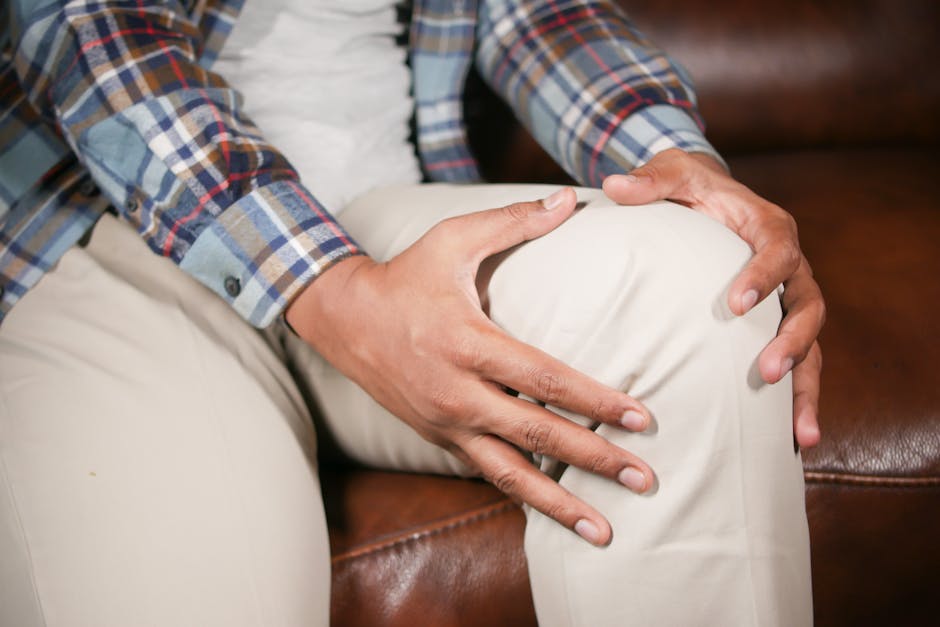
What makes this timing so disruptive is that it forces you to make decisions about your entire day before you've even had breakfast. You're assessing whether to take the stairs or the elevator, whether to plan a walk, whether today is a "good knee day" or not—and you're doing this assessment while your body is still waking up. The swelling can feel tight and pressurized, especially when you first put weight on the leg. Many people describe it as a heavy, dull sensation that gradually loosens as they move around, only to return after sitting for a while.
Why Your Knee Swells in the Morning
Morning swelling often happens because your knee has been still for hours. During sleep, fluid can accumulate in the joint space, and when you're not moving, your body's natural fluid-pumping systems slow down. The moment you stand and start moving, circulation increases and swelling often begins to ease—but the process isn't instant. This pattern is related to knee pain and swelling after sitting, and the same management principles often apply.
Another common reason is activity from the previous evening. You might have been fine all day, but then took a longer walk, climbed stairs, or spent time on your feet. The swelling doesn't always appear immediately. Instead, it builds gradually and peaks hours later—often while you're sleeping or in those first minutes after waking. This delayed response is why some mornings are mysteriously worse than others, with no clear connection to what you did that day.
Repetitive movement patterns also play a role. If you sleep on one side consistently, or if your mattress sags in a way that keeps your knee in a slightly bent position all night, the joint can become irritated. The pressure from staying in one position for eight hours can trigger fluid buildup that greets you first thing in the morning.
Lastly, overnight inflammation can develop quietly. Your knee may have minor irritation from the previous day's activities, and while you sleep, your body's inflammatory response continues working. You wake to find the swelling has progressed during the night.
What You Can Try
Move gently before standing. Instead of jumping out of bed, spend a minute doing small movements while still lying down. Straighten and bend your knee slowly a few times. Rotate your ankle. This wakes up your circulation before you put weight on the joint. Many people find this simple step reduces the intensity of morning swelling by the time they're actually standing.
Apply cold in the first hour after waking. A bag of frozen peas or an ice pack wrapped in a thin towel, applied for ten to fifteen minutes while you're sitting, can reduce swelling more effectively in the morning than later in the day. The cold seems to work better when the swelling is still developing, rather than after it's fully established.
Elevate your leg while sitting. Prop your knee on a pillow or ottoman while you eat breakfast or check your phone. Gravity helps fluid drain away from the joint. Even fifteen minutes of elevation in the morning can make a noticeable difference in how your knee feels when you stand again.
Pay attention to salt and hydration the night before. This is less about a quick fix and more about noticing patterns. If you ate salty food in the evening, your body may retain more fluid overnight, which can worsen morning swelling. Staying hydrated throughout the day (not just before bed) may help your body manage fluid balance more efficiently.
Move consistently through the morning. Gentle walking, even just around your house, keeps fluid circulating and often reduces swelling faster than staying still. The key is gentle—you're not trying to exercise, just encouraging your knee to work.
Not sure what's causing your knee pain? Take our 5-question quiz to find your pattern — Start the quiz →
When to See a Professional
If your morning swelling is severe enough that you can't bear weight on your leg, or if it's accompanied by significant warmth, redness, or pain that doesn't ease with movement, you need professional assessment. The same applies if the swelling happens only in one knee and is getting progressively worse, or if it's affecting your sleep quality or daily function. For useful context, knee pain first thing in the morning tends to have the same mechanical roots and overlapping solutions.
Also consider seeing a healthcare provider if the swelling is unpredictable in a way that's hard to connect to any activity pattern, or if over-the-counter approaches aren't helping after several weeks.
Safety note: If you have severe pain, significant swelling, a recent injury, fever, numbness, or difficulty bearing weight, speak with a qualified healthcare professional promptly.
Frequently Asked Questions
Q: What happens if I ignore knee swelling in the morning?
A: In some cases, minor knee discomfort does resolve on its own. But consistently ignoring pain — especially if it's altering how you move — can allow the underlying cause to worsen. Most people find that early, sensible attention leads to faster recovery than waiting it out indefinitely.
Q: Should I apply heat or ice to a painful knee?
A: Cold — ice wrapped in a cloth — works better for acute flare-ups, particularly in the first 24 to 48 hours when the area feels warm or inflamed. Gentle heat tends to be more helpful for muscle stiffness and chronic, recurring aches. Never apply either directly to bare skin.
Q: Why does my knee feel worse after sitting for a long time?
A: This pattern — stiffness or pain after prolonged sitting that eases once you move around — is a hallmark of irritation around the kneecap or the soft tissues surrounding it. The joint stiffens in a flexed position, and the first movement disturbs it. Most people find it settles within a minute or two of walking.
One Thing to Try First
Most people who take early, sensible action recover well. Start with what you can manage today and monitor closely. If things are not improving after a few weeks, that is the right time to bring in professional support.
Helpful Next Step
As an Amazon Associate, we may earn from qualifying purchases. This does not affect the price you pay.
Helpful Support Option
Cold therapy wraps can help manage inflammation and reduce discomfort after activity. They're a simple, low-effort addition to a broader self-management routine.
See cold therapy knee optionsWant a more personalised recommendation? Take the 5-question quiz →
Helpful Next Step
If gentle support helps during recovery, you can check a simple support option that many people use in daily life. This pattern is related to knee pain that is worse in the morning, and the same management principles often apply.
This content is for educational purposes only and does not constitute medical advice. Always consult a qualified healthcare professional for diagnosis and treatment.