🦵 Not sure what's causing it? Take the 5-question knee quiz.
Find My Pattern →Knee Balloons After Exercise Then Goes Down by Morning
The swelling creeps in during your cool-down—not during the workout itself. You finish your run or your gym session feeling fine, maybe even good. Then somewhere between stretching and your shower, you notice the knee looks puffy. By morning, it's nearly normal again. This cycle repeats, and it's confusing because the swelling disappears so reliably that it feels like nothing serious. Yet the moment you try to squat or walk downstairs the next day, a dull, heavy pressure returns, and you realize the knee isn't actually fine—it's just deflated.
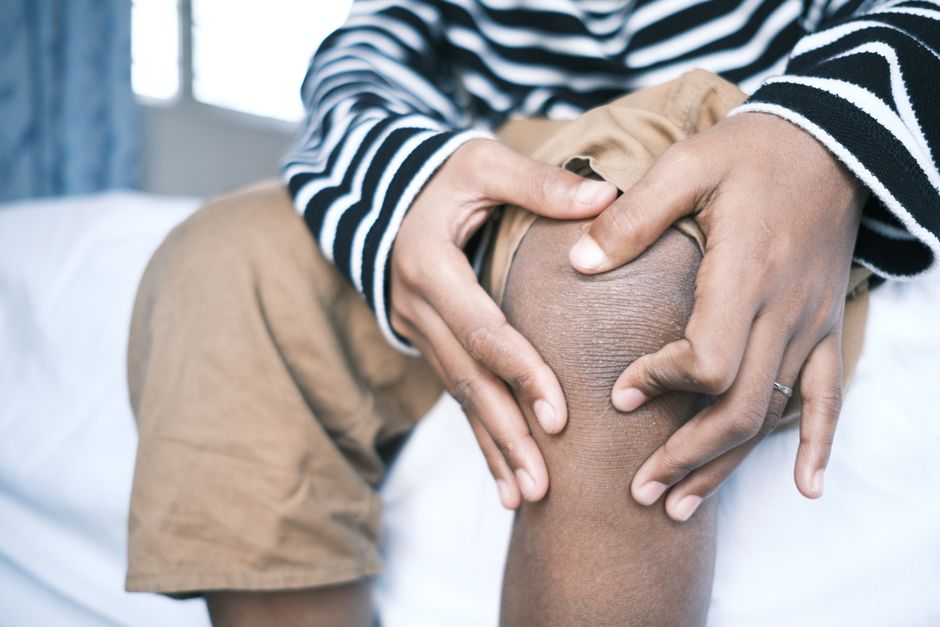
This pattern of post-exercise swelling that resolves overnight is common, but it's also misleading. The temporary nature of it can create a false sense of security that leads people to push harder the next workout, which often makes things worse. People dealing with this frequently also notice knee pain that comes and goes during exercise, particularly after extended periods of inactivity.
Why the swelling appears and then fades
🦵 Not sure what's causing your knee pain?
Answer 5 quick questions and get a personalised result.
Find My Pattern → 60 seconds · No sign-upSeveral things can cause your knee to balloon after activity and shrink back by morning.
Inflammatory fluid accumulation is the most straightforward explanation. When you exercise, especially with repetitive impact (running, jumping, box jumps) or heavy loading (squats, lunges), the tissues around your knee respond by releasing fluid into the joint space and surrounding soft tissues. This isn't necessarily damage—it's a normal inflammatory response. The swelling peaks a few hours after exercise because fluid takes time to accumulate. Overnight, when you're resting and your leg is horizontal (or elevated if you're intentional about it), your lymphatic system drains much of that fluid back out. By morning, the visible puffiness is gone.
The type of exercise matters significantly. Jump-based sports and plyometrics trigger swelling differently than steady-state running or strength training. Jumping creates sudden deceleration forces that compress the joint and irritate the synovial lining (the membrane that produces joint fluid). Distance running, by contrast, causes swelling more through repetitive micro-trauma and fatigue. Strength training with heavy loads can create swelling through joint compression and tissue irritation. Each triggers a slightly different inflammatory response, which is why your knee might balloon after one activity but not another.
Inadequate warm-up or cool-down can amplify swelling. If you jump into intense exercise without gradually preparing your knee, the tissues are less prepared to handle the load. Similarly, if you stop abruptly without a proper cool-down, blood and fluid remain pooled in the knee longer than necessary.
Individual variation in how you swell is real and often overlooked. Some people's bodies respond to the same exercise with dramatic visible swelling; others with the same injury or irritation show almost no puffiness but feel significant internal pressure and stiffness. This isn't in your head—it reflects differences in how your tissues respond to inflammation, how much synovial fluid your joint produces, and how efficiently your lymphatic system drains fluid.
What you can try
Ice the knee soon after exercise, but do it strategically. Apply ice for 15–20 minutes within the first 30 minutes after finishing your workout. This isn't about waiting until swelling appears—it's about interrupting the inflammatory response early. Many people wait until evening to ice, by which time the fluid has already accumulated. Early icing can reduce how much swelling develops in the first place.
Elevate your leg above heart level for the first few hours after exercise. This isn't just for comfort. Gravity genuinely helps drain fluid from your knee back toward your torso. Lying on your couch with your leg propped on pillows or on the back of the couch for 30–60 minutes after a workout can noticeably reduce evening swelling. The key is doing this soon after exercise, not waiting until bedtime.
Wear compression during and after exercise. A compression sleeve or wrap provides gentle external pressure that can limit how much fluid accumulates in the first place. Some people find compression most helpful during exercise; others find it more useful in the hours immediately after. Experiment with both. Compression won't prevent all swelling, but it often reduces the degree.
Dial back the intensity or volume of the activity that triggered the pattern. If your knee balloons after running, try reducing your weekly mileage by 20–30% for two weeks and see if the swelling pattern changes. If it happens after jump training, reduce the number of repetitions or the height of jumps. This isn't about stopping exercise—it's about finding the threshold where your knee responds without excessive swelling.
Pay attention to the sensation, not just the appearance. Visible swelling fades by morning, but the internal pressure and stiffness often remain. If your knee feels tight or heavy when you walk downstairs the next morning, that's a sign the inflammation didn't fully resolve—it just drained. This matters because it means your knee isn't actually recovered, even though it looks normal.
When to see a professional
If the swelling pattern persists beyond two to three weeks despite these adjustments, or if it's worsening over time, a physical therapist or sports medicine doctor can assess whether there's an underlying structural issue (like cartilage irritation or ligament strain) versus simple post-exercise inflammation. It's worth knowing that both knees hurt going up and down stairs follows a very similar pattern and responds to the same kind of approach.
Also seek professional guidance if the swelling is accompanied by warmth, redness, or if you notice the knee is swollen even on rest days. These can indicate infection or a more significant injury.
Safety note: If you have severe pain, significant swelling, a recent injury, fever, numbness, or difficulty bearing weight, speak with a qualified healthcare professional promptly.
Frequently Asked Questions
Q: Should I use a knee brace or compression sleeve for knee balloons after exercise then goes down by morning?
A: A basic compression sleeve can offer comfort and mild support during activity, and many people find it helpful in the short term. Don't rely on it long-term without also addressing the root cause — whether that's strength, flexibility, or movement patterns.
Q: When should I stop exercising because of knee balloons after exercise then goes down by morning?
A: Stop if the pain is sharp, climbing steadily during exercise, or causing you to change how you move. Mild, stable discomfort that stays at a 2 to 3 out of 10 is often acceptable to work through gently. Anything above that — or pain that simply feels wrong — is your cue to stop and reassess.
Q: Is it normal to hear clicking sounds alongside knee balloons after exercise then goes down by morning?
A: Joint sounds are extremely common and usually harmless — they often come from gas bubbles in the joint fluid or tendons flicking over bony prominences. If the clicking is painless and your knee functions normally, it's generally nothing to worry about. If it's accompanied by pain or swelling, mention it to a healthcare professional.
What To Do Tomorrow Morning
Most people who take early, sensible action recover well. Start with what you can manage today and monitor closely. If things are not improving after a few weeks, that is the right time to bring in professional support.
Helpful Next Step
As an Amazon Associate, we may earn from qualifying purchases. This does not affect the price you pay.
Helpful Support Option
Cold therapy wraps can help manage inflammation and reduce discomfort after activity. They're a simple, low-effort addition to a broader self-management routine.
See cold therapy knee optionsHelpful Next Step
If gentle support helps during recovery, you can check a simple support option that many people use in daily life. For useful context, knee pain after walking down stairs tends to have the same mechanical roots and overlapping solutions.
This content is for educational purposes only and does not constitute medical advice. Always consult a qualified healthcare professional for diagnosis and treatment.