🦵 Not sure what's causing it? Take the 5-question knee quiz.
Find My Pattern →Knee Pain Getting Worse With Age
You notice it most when you're doing something ordinary. You're standing in the kitchen preparing dinner, and somewhere around the twenty-minute mark, a dull ache settles into your knee—not sharp enough to stop you, but present enough that you're aware of it. You shift your weight. You lean against the counter. By the time you sit down, the heaviness feels disproportionate to what you were actually doing. A few years ago, you wouldn't have thought twice about standing that long. Now it's become something you plan around, something you negotiate with your body before committing to weekend plans.
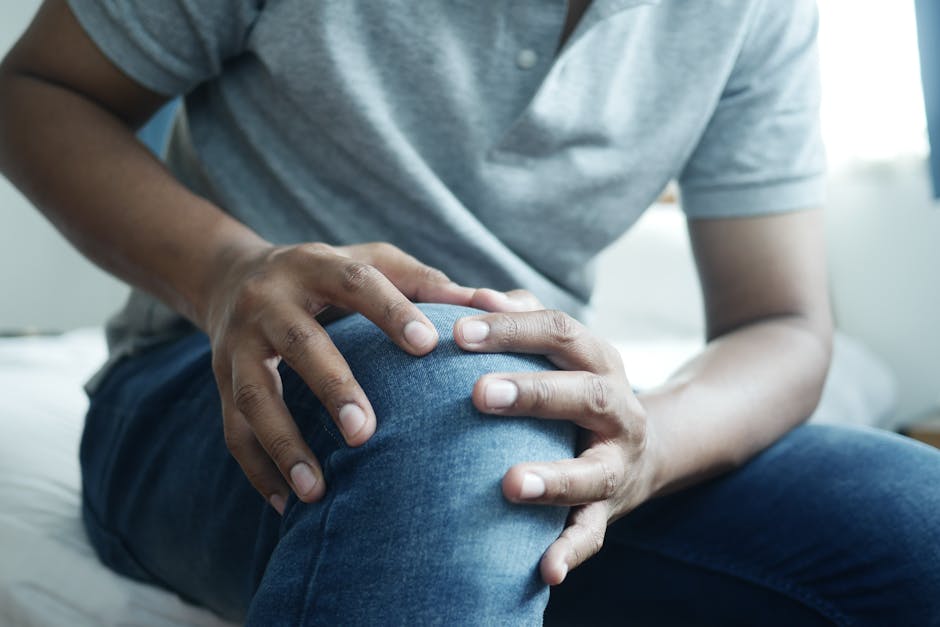
This pattern—where pain that was occasional becomes routine, where activities you've always done start to feel risky—is one of the most common complaints people bring up as they get older. It's not always about a specific injury. It's more like your knees are gradually becoming less forgiving, less reliable, less like the joints you took for granted.
Why your knees may be changing
🦵 Not sure what's causing your knee pain?
Answer 5 quick questions and get a personalised result.
Find My Pattern → 60 seconds · No sign-upThe most straightforward reason is that the protective tissue in your knee joint—cartilage—can thin and wear unevenly over time. This isn't something that happens overnight, and it doesn't happen the same way in everyone. In some people it progresses slowly; in others there are long stretches where nothing seems to change, then a noticeable shift. The cartilage itself doesn't have pain receptors, but when it thins enough, the structures underneath can become irritated, and that's when you start to feel something. If you also experience knee pain that is worse in the morning, the two issues often share the same underlying cause.
Alongside cartilage changes, the tissues around your knee may become less elastic. Tendons and ligaments can lose some of their flexibility, which means your knee has a smaller range of motion that feels comfortable. This tightness can create a cascade: less flexibility leads to uneven weight distribution across the joint, which can irritate specific spots and create that catch or pinch you might feel mid-stride.
Your muscles also change with age. The quadriceps and hamstrings—the muscles that support and stabilize your knee—can gradually lose strength and mass, even if you're staying reasonably active. Weaker supporting muscles mean your knee joint has to work harder to do the same task, and fatigue in those muscles can translate into pain in the joint itself. These changes also alter gait in ways that increase load on the lower back — part of why knee and lower back pain together becomes more prevalent with age.
Inflammation may play a role too. As you get older, your body's inflammatory response can become more persistent. This doesn't mean your knee is acutely inflamed in a way you'd see swelling, but a low-level inflammatory state can make tissues more sensitive and recovery from activity slower.
Practical adjustments worth trying
Warm up before movement, even short movement. Before you stand for extended periods or take a walk, spend a few minutes moving gently—small circles with your knee, gentle marching in place, or slow walking around your home. This can reduce that initial stiffness and may prevent the sharp catch that sometimes happens when you move cold. The difference between warming up and not warming up can be surprisingly noticeable.
Pay attention to how long you can stand comfortably, then stay slightly below that. If you know standing for twenty minutes brings on that dull ache, try limiting standing periods to fifteen minutes, then taking a sitting break. This isn't about avoiding activity—it's about preventing the cumulative irritation that leads to flare-ups later. Many people find that respecting this threshold actually allows them to do more overall, because they're not spending the next two days managing increased pain.
Strengthen the muscles around your knee with low-impact work. Walking, swimming, or stationary cycling can help maintain the muscle support your knee needs. The key is consistency over intensity. Three sessions of twenty minutes spread across the week often works better than one intense session, especially as you get older. Your muscles respond better to regular, moderate stimulus than to occasional hard effort.
Manage swelling promptly. If you notice your knee puffing up after activity, ice it for ten to fifteen minutes while sitting with your leg elevated. This can prevent minor swelling from becoming the kind that stiffens your knee overnight and makes the next morning harder.
Wear shoes with real support. Worn-out shoes or ones without arch support force your knee to compensate for instability in your ankle and foot. This is often invisible—you don't feel it happening—but it adds stress to the joint. Replacing shoes before they're completely broken down can make a measurable difference.
When to talk to a professional
If your pain is worsening despite these adjustments, if it's starting to limit activities that matter to you, or if you're noticing swelling that doesn't go down, a healthcare provider can help you understand what's actually happening in your knee. They can also discuss whether additional options—like physical therapy, injections, or imaging—might be helpful for your specific situation. People dealing with this frequently also notice knee pain when getting out of bed, particularly after extended periods of inactivity.
Some people also find it useful to talk with a professional about the emotional side of this: the frustration of losing activities you've always done, the grief of adjusting your identity when you're no longer "the active one," or the decision paralysis around whether to pursue surgery or stick with conservative management. These feelings are real and worth acknowledging.
Safety note: If you have severe pain, significant swelling, a recent injury, fever, numbness, or difficulty bearing weight, speak with a qualified healthcare professional promptly.
Frequently Asked Questions
Q: When should I stop exercising because of knee pain getting worse with age?
A: Stop if the pain is sharp, climbing steadily during exercise, or causing you to change how you move. Mild, stable discomfort that stays at a 2 to 3 out of 10 is often acceptable to work through gently. Anything above that — or pain that simply feels wrong — is your cue to stop and reassess.
Q: Is it safe to exercise with knee pain getting worse with age?
A: Gentle, low-impact movement is often beneficial — walking, swimming, and cycling tend to be well-tolerated. Avoid anything that sharply increases the discomfort. A physiotherapist can help identify which exercises are right for your specific situation and severity.
Q: Is it normal to hear clicking sounds alongside knee pain getting worse with age?
A: Joint sounds are extremely common and usually harmless — they often come from gas bubbles in the joint fluid or tendons flicking over bony prominences. If the clicking is painless and your knee functions normally, it's generally nothing to worry about. If it's accompanied by pain or swelling, mention it to a healthcare professional.
What To Do Tomorrow Morning
Most people who take early, sensible action recover well. Start with what you can manage today and monitor closely. If things are not improving after a few weeks, that is the right time to bring in professional support.
Helpful Next Step
As an Amazon Associate, we may earn from qualifying purchases. This does not affect the price you pay.
Helpful Support Option
If this type of knee discomfort shows up during daily movement, light support may help reduce strain on the joint while you work on the underlying cause.
See knee support options on AmazonHelpful Next Step
If gentle support helps during recovery, you can check a simple support option that many people use in daily life. If you also experience knee pain worse going down than up stairs, the two issues often share the same underlying cause.
This content is for educational purposes only and does not constitute medical advice. Always consult a qualified healthcare professional for diagnosis and treatment.