🦵 Not sure what's causing it? Take the 5-question knee quiz.
Find My Pattern →Knee Pain That Gets Worse the Further You Walk
You start out fine. The first five minutes feel normal—maybe a little stiff when you first push off, but nothing that makes you think twice. Then somewhere around the half-mile mark, you notice a dull ache settling in just below your kneecap. It's not sharp. It's more like a heaviness that gradually tightens as you keep going. By the time you've walked a mile and a half, you're acutely aware of your knee with every step. Your pace has slowed without you consciously deciding to slow down. Your body just did it. And now you're doing the math in your head—how much further can you actually go before you need to turn back?
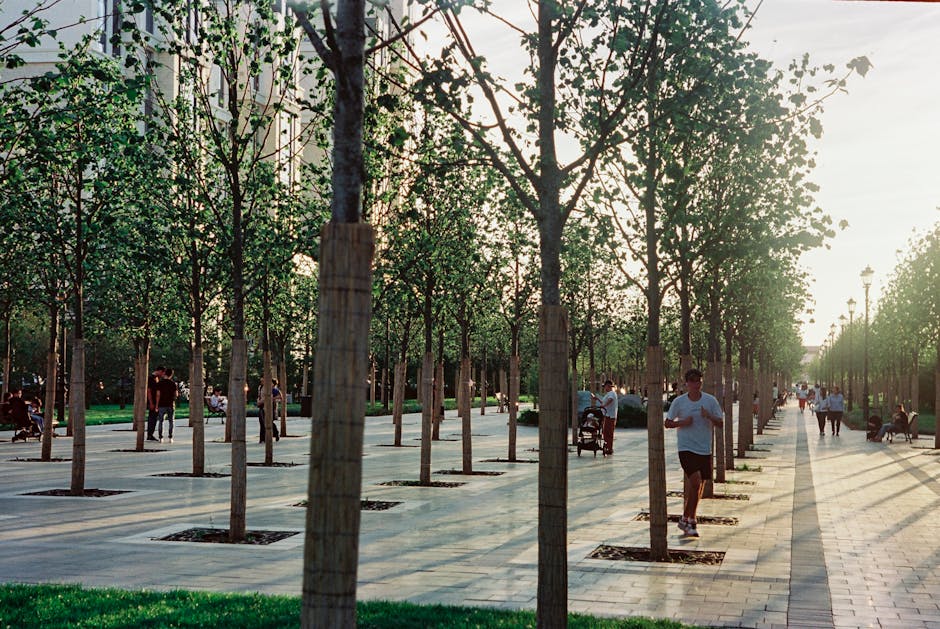
This pattern—where your knee feels progressively worse the more distance you cover—is frustrating because it's unpredictable in its predictability. Some days you wonder if you can make it around the block. Other days feel almost normal, which tricks you into walking further than you should, and then the next morning you're stiff and paying for it. The worst part isn't always the pain itself. It's watching your walking distance shrink, or the moment you realize you need to cancel plans because you genuinely don't know if your knee will hold up. If you also experience knee pain after long walk, the two issues often share the same underlying cause.
Why distance makes it worse
🦵 Not sure what's causing your knee pain?
Answer 5 quick questions and get a personalised result.
Find My Pattern → 60 seconds · No sign-upWhen your knee pain builds gradually over the course of a walk, several things may be happening at once.
Repetitive stress on structures that aren't ready. Each step sends force through your knee joint. If your quadriceps muscles (the ones on the front of your thigh) are weak or fatiguing, your kneecap doesn't track smoothly in its groove. Instead of gliding straight, it pulls slightly to one side with each step. Over hundreds of steps, this creates friction and irritation. The pain isn't immediate because the irritation builds slowly. By step 500, you feel it. By step 1,500, you can't ignore it.
Inflammation that accumulates. Your knee joint produces fluid to cushion and protect itself. When you overload the joint—especially if you're doing more walking than your knee is conditioned for—inflammation builds gradually. It's not a sudden swelling. It's a slow tightening sensation that gets more noticeable the longer you're on your feet.
Muscle fatigue changing how you move. As your legs tire during a longer walk, your gait shifts without you realizing it. You might lean slightly to one side, or stop using your glutes as much, putting more stress on your knee to stabilize. This compensation pattern is subtle at first but compounds with every step. Your knee has to work harder to do the same job, which is why the pain intensifies.
Cartilage irritation from impact. Walking is repetitive impact. Your knee absorbs shock with every step. If the cartilage under your kneecap is irritated or slightly damaged, the pain may not show up immediately. It builds as you accumulate more impacts. You feel fine for the first 20 minutes, then the dull ache arrives and deepens.
What you can try
Start with shorter walks and build slowly. If you can walk comfortably for 10 minutes, that's your baseline right now. Spend a week or two at that distance before adding another 5 minutes. This sounds conservative, and it is—but it gives your knee time to adapt without triggering that escalating pain pattern. The temptation on a good day is to prove to yourself you can go further. Resist it. Consistency matters more than distance.
Pay attention to the moment your knee tightens. Notice exactly when during your walk the sensation starts. Is it at five minutes or 20 minutes? Is it a sharp twinge or a dull ache? Once you know the timing, you can stop before it gets worse. This isn't giving up—it's gathering information. Many people find that stopping before the pain peaks actually helps their knee recover faster than pushing through and limping home.
Walk on softer surfaces when possible. Concrete and asphalt are unforgiving. Grass, dirt trails, or a treadmill with cushioning absorb more impact and may reduce the stress building up in your knee over distance. If you normally walk on pavement, try switching to a park path for a week and notice whether the pain pattern changes.
Strengthen your quadriceps between walks. On days you're not walking, do simple quad work: straight-leg raises while sitting, or wall sits held for 20-30 seconds. Stronger quads stabilize your kneecap better, which means less irritation as you accumulate steps. This takes weeks to show results, but it addresses one of the main reasons pain worsens with distance.
Ice your knee after walking, not during. Wait until you're done and rested, then apply ice for 15 minutes. This can reduce inflammation that's built up during your walk and may help with stiffness the next morning.
When to reach out to a professional
If your walking distance keeps shrinking despite these adjustments, or if the pain is sharp rather than dull, a physical therapist or doctor can assess what's actually happening in your knee. They can watch you walk, test your strength and flexibility, and determine whether the issue is muscle weakness, alignment, cartilage irritation, or something else entirely. You don't need imaging for every knee pain, but a professional can tell you whether you need it. If you also experience knee pain at start of walk that goes away, the two issues often share the same underlying cause.
Also consider seeing someone if the pain lingers for hours after you stop walking, or if you notice swelling that doesn't go down overnight.
Safety note: If you have severe pain, significant swelling, a recent injury, fever, numbness, or difficulty bearing weight, speak with a qualified healthcare professional promptly.
Frequently Asked Questions
Q: Should I apply heat or ice to a painful knee?
A: Cold — ice wrapped in a cloth — works better for acute flare-ups, particularly in the first 24 to 48 hours when the area feels warm or inflamed. Gentle heat tends to be more helpful for muscle stiffness and chronic, recurring aches. Never apply either directly to bare skin.
Q: Should I use a knee brace or compression sleeve for knee pain that gets worse the further you walk?
A: A basic compression sleeve can offer comfort and mild support during activity, and many people find it helpful in the short term. Don't rely on it long-term without also addressing the root cause — whether that's strength, flexibility, or movement patterns.
Q: Can stretching help with knee pain that gets worse the further you walk?
A: Gentle stretching of the quadriceps, hamstrings, calves, and hip flexors can reduce the muscular tension that contributes to knee discomfort. A sustained, comfortable hold of 20 to 30 seconds is far more effective and safer than aggressive or bouncing stretches.
One Thing to Try First
Most people who take early, sensible action recover well. Start with what you can manage today and monitor closely. If things are not improving after a few weeks, that is the right time to bring in professional support.
Helpful Next Step
As an Amazon Associate, we may earn from qualifying purchases. This does not affect the price you pay.
Helpful Support Option
If this discomfort shows up during daily walking or standing, a compression sleeve may help reduce load on the joint during movement while the underlying cause is addressed.
See walking knee support optionsHelpful Next Step
If gentle support helps during recovery, you can check a simple support option that many people use in daily life. For useful context, knee pain getting worse with age tends to have the same mechanical roots and overlapping solutions.
This content is for educational purposes only and does not constitute medical advice. Always consult a qualified healthcare professional for diagnosis and treatment.