🦵 Not sure what's causing it? Take the 5-question knee quiz.
Find My Pattern →Knee Pain When Running With Music and Not Noticing Form
The pain doesn't show up during the run. That's the trap. You finish your workout feeling strong, the playlist still playing, your legs feel fine—maybe even great from the endorphins and the rhythm carrying you through. Then six or eight hours later, you sit down at your desk or bend to climb stairs, and a dull, sharp ache blooms on the inside of your knee. You realize your form has been deteriorating for weeks, but the music masked it so completely that your body never sent clear warning signals until now.
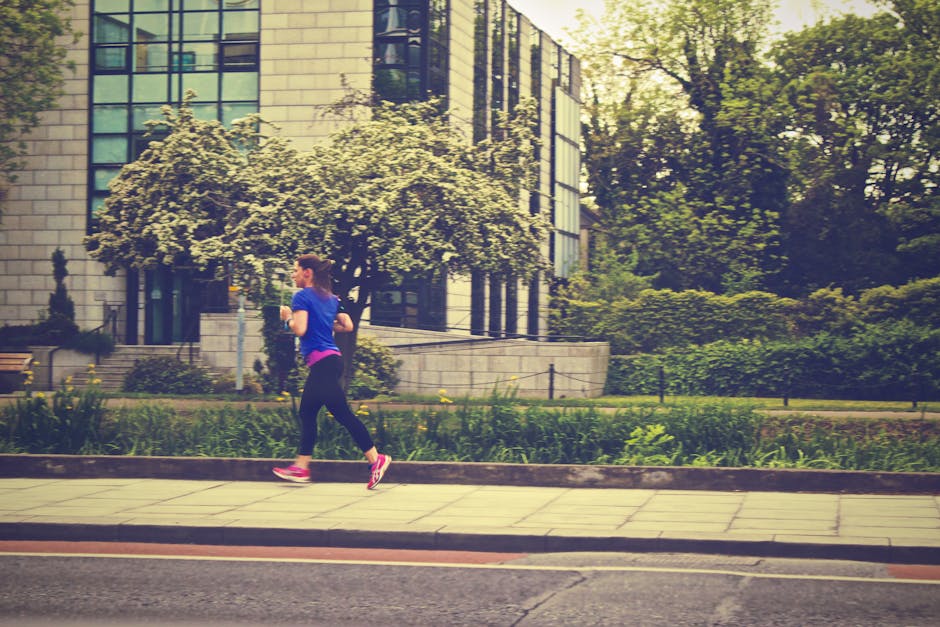
This specific pattern—where entertainment becomes a blind spot for movement problems—creates a delayed injury cycle that's harder to catch than pain that happens during a run. When your knee hurts while you're moving, you notice immediately and adjust. But when music keeps your mind engaged and your cadence locked to a beat, your proprioception (your body's sense of where it is in space) gets sidelined. You run on autopilot, form breaks down gradually, and your knee absorbs forces it wasn't designed to handle—but you don't realize it until the next day.
How music and distraction allow form to slip
🦵 Not sure what's causing your knee pain?
Answer 5 quick questions and get a personalised result.
Find My Pattern → 60 seconds · No sign-upMusic is powerful at blocking pain signals and keeping you motivated, but it also disconnects you from subtle feedback your body sends constantly. When you're locked into a beat, your cadence becomes rhythm-dependent rather than body-dependent. This matters because your natural stride length and foot strike pattern should adjust based on terrain, fatigue, and how your muscles feel—not based on what tempo the song is playing. This pattern is related to knee pain after running, and the same management principles often apply.
Around mile three or four, when fatigue starts to set in, your form typically needs fine-tuning. Your glutes may fatigue slightly, causing your hips to drop on one side. Your foot strike might shift forward slightly. Your knee might begin to track inward (valgus collapse) because your hip stabilizers aren't firing as hard. But if you're focused on the music, you don't feel these changes happening. You keep the same cadence, the same perceived effort, and your knee compensates by absorbing extra rotational force. The pain doesn't arrive until hours later when inflammation builds and movement patterns become obvious.
Additionally, runners who use music often skip the proprioceptive warm-up—the first few minutes of a run where you're tuning into how your body feels that day. You might start at your usual pace without noticing that your hip feels tight or your glute isn't firing properly. By the time you could have caught and corrected it, you're already three miles in with poor form reinforced.
What you can try to rebuild awareness
Run without music once or twice a week. This doesn't mean all your runs need to be silent, but at least one run weekly should give your nervous system direct feedback about what your body is doing. You'll notice foot strike patterns, hip stability, and breathing patterns that music usually masks. Start with a shorter distance—maybe three miles instead of your usual five—so you can focus on sensation rather than distance.
Record yourself running from behind and the side. Watch for knee valgus (inward collapse), excessive forward lean, or asymmetry between legs. You might see form breaking down in the second half of the video, which correlates with where you feel pain the next day. This visual feedback often surprises runners who thought their form was solid.
Slow down deliberately for the first mile. Use this time to feel your glutes engaging, notice your foot landing under your hip rather than in front of it, and establish a cadence that feels sustainable. If you start at your usual pace without this tuning-in period, poor form gets locked in immediately. This is especially important on days when you're tired or your hips feel stiff.
Pause music during the critical fatigue window. If you run 45 minutes, remove your headphones around minute 25-30 when fatigue typically starts shifting your form. Run the next 10-15 minutes silently, noticing how your body feels. You'll catch form breakdown before it accumulates into the next day's pain.
Strengthen your hip stabilizers with specific exercises. Lateral band walks, single-leg glute bridges, and clamshells target the muscles that prevent your knee from collapsing inward during running. Weak hip stabilizers are often the root cause—music just delays your awareness of the problem. Two sessions per week of 10-15 minutes can make a noticeable difference within three weeks.
When to talk to a healthcare professional
If your knee pain is sharp rather than dull, if it worsens despite taking rest days, or if you notice swelling, see a physical therapist or sports medicine doctor. They can assess your running gait formally and identify whether the pain is coming from your knee joint itself, your kneecap tracking, or surrounding tissues. Sometimes what feels like a form issue is actually a structural problem that needs professional guidance. This pattern is related to knee pain from running in wrong shoes, and the same management principles often apply.
Also seek professional input if you've been running through pain for more than two weeks, or if the pain limits your ability to walk normally the day after a run.
Safety note: If you have severe pain, significant swelling, a recent injury, fever, numbness, or difficulty bearing weight, speak with a qualified healthcare professional promptly.
Frequently Asked Questions
Q: Why does my knee feel worse after sitting for a long time?
A: This pattern — stiffness or pain after prolonged sitting that eases once you move around — is a hallmark of irritation around the kneecap or the soft tissues surrounding it. The joint stiffens in a flexed position, and the first movement disturbs it. Most people find it settles within a minute or two of walking.
Q: How long does knee pain when running with music and not noticing form usually last?
A: This varies a lot depending on the cause. Minor muscle strain or overuse tends to settle within a few days to two weeks with appropriate rest and gentle movement. If it hasn't improved after three weeks — or symptoms are worsening — that's a clear signal to get a professional opinion.
Q: Can stretching help with knee pain when running with music and not noticing form?
A: Gentle stretching of the quadriceps, hamstrings, calves, and hip flexors can reduce the muscular tension that contributes to knee discomfort. A sustained, comfortable hold of 20 to 30 seconds is far more effective and safer than aggressive or bouncing stretches.
One Thing to Try First
Most people who take early, sensible action recover well. Start with what you can manage today and monitor closely. If things are not improving after a few weeks, that is the right time to bring in professional support.
Helpful Next Step
As an Amazon Associate, we may earn from qualifying purchases. This does not affect the price you pay.
Helpful Support Option
Runners dealing with this kind of knee discomfort often find that a well-fitted compression sleeve helps stabilise the joint and manage irritation during lower-intensity training sessions.
See knee sleeves for runningHelpful Next Step
If gentle support helps during recovery, you can check a simple support option that many people use in daily life. This pattern is related to knee pain from running on concrete, and the same management principles often apply.
This content is for educational purposes only and does not constitute medical advice. Always consult a qualified healthcare professional for diagnosis and treatment.