🦵 Not sure what's causing it? Take the 5-question knee quiz.
Find My Pattern →Knee Pain From Running in Wrong Shoes
The pain doesn't always show up during your run. You finish mile three feeling fine, maybe even strong. Then you're climbing the stairs at work the next morning and your knee sends a sharp complaint with each step down. Or it's the opposite—you feel a dull ache building somewhere around the 20-minute mark, nothing alarming at first, but by the time you stop moving it's tight enough that you're walking stiffly for hours afterward. Running in shoes that don't match your foot's needs creates a chain reaction through your knee, and the timing of when you notice it can be deceptive.
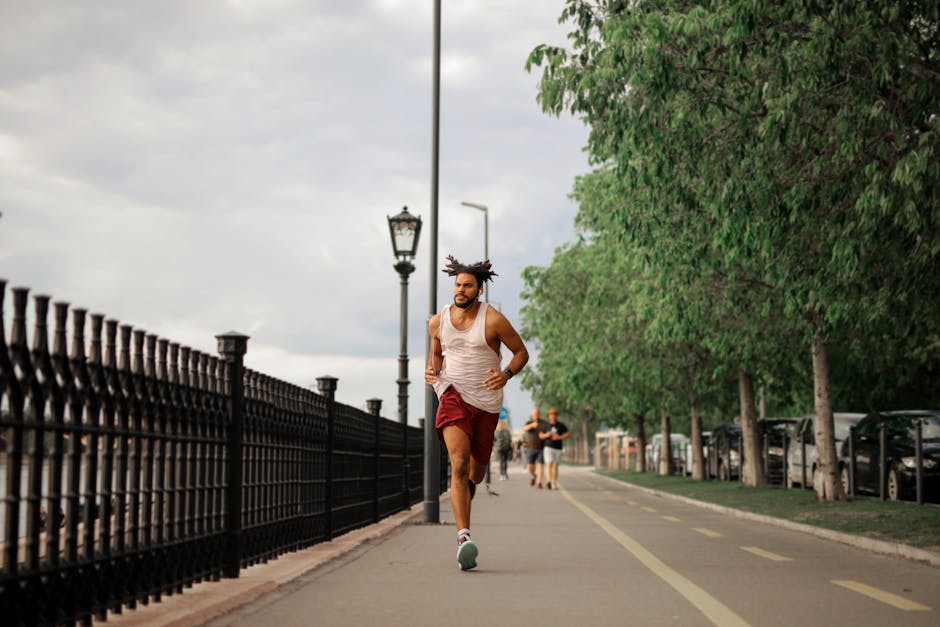
How the wrong shoe creates knee stress
🦵 Not sure what's causing your knee pain?
Answer 5 quick questions and get a personalised result.
Find My Pattern → 60 seconds · No sign-upWhen your shoe doesn't support the way your foot naturally moves, your knee has to compensate. This doesn't happen because the shoe is cheap or unfamiliar—it happens because the shoe's structure doesn't align with your specific foot mechanics.
Your foot may roll inward more than average when it lands (overpronation), or it may stay too rigid and not roll inward enough (underpronation). A shoe designed for neutral runners won't correct either pattern. Instead, your ankle and lower leg work harder to stabilize, and that extra work travels directly up to your knee joint. The knee becomes the shock absorber for a problem that actually started in your foot. People dealing with this frequently also notice knee pain after running, particularly after extended periods of inactivity.
The cushioning mismatch matters too. A shoe with too much softness under the heel can create an unstable landing, forcing your knee to lock and adjust mid-stride. A shoe that's too firm or worn down offers no buffer, and your knee feels every impact through the pavement. Both scenarios create repetitive small stresses that build into noticeable pain.
Worn-out shoes are often the culprit people overlook. A shoe that felt perfect six months ago may have lost its structural integrity without looking obviously damaged. The midsole compresses gradually, and one day you realize your knee is complaining in a way it didn't before—even though nothing changed except time and miles.
What you can do right now
Get your shoes assessed, not just replaced. Before buying new ones, understand what your current shoes are doing wrong. A running specialty store can watch you run or walk and identify whether your foot is rolling excessively, staying too rigid, or landing unevenly. This takes 10 minutes and costs nothing. Buying expensive shoes without this information often means buying the wrong expensive shoes.
Introduce new shoes gradually. If you do switch shoes, don't run your normal distance in them immediately. The first few runs should be short—maybe 1 to 2 miles—to let your knee and foot adjust to a different support pattern. Your body needs time to feel stable in new shoes, even if they're the right ones. Adding a new shoe to a long run is asking for trouble.
Notice which part of your knee complains. Pain on the outside of your knee often points to shoes that don't control inward rolling. Pain behind the kneecap or under it can signal that your shoe isn't providing enough support through the arch. Pain on the inside might mean your foot is rolling too much. Paying attention to location helps you describe the problem accurately if you need professional guidance.
Reduce mileage temporarily. This isn't about stopping—it's about giving your knee relief while you figure out the shoe issue. Run shorter distances in your current shoes for a week or two. This often reduces pain enough to let you keep moving while you make changes. Pain that improves with reduced mileage suggests the shoe itself is the main problem, not an injury.
Check for wear patterns. Look at the bottom of your shoes. Uneven wear—heavy on the outside edge, or worn down on one side more than the other—confirms that your foot is moving in a way the shoe isn't supporting. This visual clue is worth more than any marketing claim about what shoe you "should" wear.
When to talk to a professional
Pain that started after switching shoes but doesn't improve within two weeks of returning to your old shoes, or pain that worsens even after you've found better-fitting shoes, suggests something beyond shoe fit is happening. A physical therapist or sports medicine doctor can identify whether your knee pain is coming from muscle weakness, movement patterns, or an actual structural issue that shoes alone won't fix. There's a close connection between this and knee pain from running on concrete — the same structures are usually involved.
If your knee feels unstable—like it might give way or like you're afraid to push off hard—that's worth professional evaluation sooner rather than later. Instability can lead to compensation injuries if left unaddressed.
Safety note: If you have severe pain, significant swelling, a recent injury, fever, numbness, or difficulty bearing weight, speak with a qualified healthcare professional promptly.
Frequently Asked Questions
Q: Is it safe to exercise with knee pain from running in wrong shoes?
A: Gentle, low-impact movement is often beneficial — walking, swimming, and cycling tend to be well-tolerated. Avoid anything that sharply increases the discomfort. A physiotherapist can help identify which exercises are right for your specific situation and severity.
Q: Should I apply heat or ice to a painful knee?
A: Cold — ice wrapped in a cloth — works better for acute flare-ups, particularly in the first 24 to 48 hours when the area feels warm or inflamed. Gentle heat tends to be more helpful for muscle stiffness and chronic, recurring aches. Never apply either directly to bare skin.
Q: Is it normal to hear clicking sounds alongside knee pain from running in wrong shoes?
A: Joint sounds are extremely common and usually harmless — they often come from gas bubbles in the joint fluid or tendons flicking over bony prominences. If the clicking is painless and your knee functions normally, it's generally nothing to worry about. If it's accompanied by pain or swelling, mention it to a healthcare professional.
One Thing to Try First
Most people who take early, sensible action recover well. Start with what you can manage today and monitor closely. If things are not improving after a few weeks, that is the right time to bring in professional support.
Helpful Next Step
As an Amazon Associate, we may earn from qualifying purchases. This does not affect the price you pay.
Helpful Support Option
Runners dealing with this kind of knee discomfort often find that a well-fitted compression sleeve helps stabilise the joint and manage irritation during lower-intensity training sessions.
See knee sleeves for runningHelpful Next Step
If gentle support helps during recovery, you can check a simple support option that many people use in daily life. It's worth knowing that knee pain front of kneecap when running follows a very similar pattern and responds to the same kind of approach.
This content is for educational purposes only and does not constitute medical advice. Always consult a qualified healthcare professional for diagnosis and treatment.