🦵 Not sure what's causing it? Take the 5-question knee quiz.
Find My Pattern →Knee Pain When Pivoting or Twisting
You're standing on the basketball court, or maybe just turning to grab something from the back seat of your car, and the moment your foot plants and your upper body rotates, something sharp shoots through your knee. Sometimes it fades quickly into a dull throb. Other times it lingers as a heavy, grinding sensation that makes you hesitant to move the same way again. The worst part isn't always the immediate pain—it's the split-second feeling that your knee might buckle, that moment of instability that makes you grip whatever's nearby or freeze mid-movement.
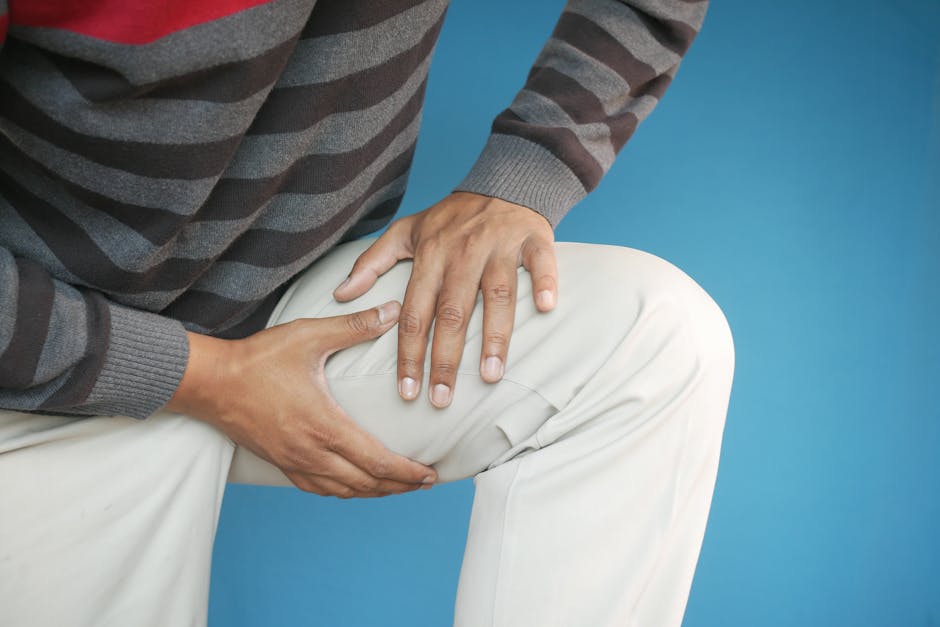
Pivoting and twisting injuries are different from a sudden fall or impact. The pain often comes from the knee being asked to do two things at once: bear your weight while your body rotates in a different direction. That combination creates stress on structures inside the knee that aren't designed to handle it well, especially if something's already been stressed or weakened.
Why pivoting and twisting cause knee pain
🦵 Not sure what's causing your knee pain?
Answer 5 quick questions and get a personalised result.
Find My Pattern → 60 seconds · No sign-upSeveral things can make your knee vulnerable to this type of movement. The most common culprit is weakness or imbalance in the muscles around your thigh and hip. When your quadriceps (the muscle on the front of your thigh) or glutes aren't strong enough to stabilize your knee during rotation, the joint itself has to absorb more of the stress. You might feel stable walking straight ahead, but the moment you add a twist, the knee compensates and something pinches or strains.
Cartilage damage can also trigger this pain. The smooth tissue inside your knee joint allows bones to glide past each other. When that cartilage develops rough spots or small tears, twisting movements can catch on those areas, creating a sharp pain or that catching sensation where you have to straighten your leg to release it. The pain might come and go depending on the exact angle of rotation.
Ligament strain is another possibility. Your knee has several ligaments that prevent excessive rotation. If these have been stretched or partially torn before—even if you thought it healed completely—twisting can aggravate them. The pain might feel more like instability than sharp soreness: a sense that the knee isn't quite locked in place, making you move more carefully.
Inflammation from overuse also plays a role. If you've recently increased activity—playing with kids more, starting a new sport, or spending more time on your feet—the tissues around your knee can become irritated. Pivoting then triggers a delayed throb that builds 2 to 3 hours after the movement, often worse when you're bearing weight.
What to try when pivoting or twisting causes pain
Start by noticing the exact moment pain appears. Does it happen at the beginning of the pivot, mid-rotation, or only when you're putting weight on the twisted leg? Does it feel sharp and immediate, or does it build into a dull ache? This timing matters because it tells you something about what structure is involved. Sharp, immediate pain often signals a ligament or cartilage issue. A delayed throb that builds hours later usually points to inflammation.
When you feel pain during pivoting, avoid forcing the movement. If you catch yourself mid-pivot and feel that instability, stop and straighten your leg fully before trying again. Continuing to move through sharp pain can worsen whatever's irritated. Instead, practice smaller, slower rotations in a controlled way. Stand with your feet shoulder-width apart, keep your weight even, and rotate just your upper body without moving your feet. This lets your knee stay stable while you gently work through the movement.
Ice can help reduce inflammation, especially if pain appears hours after activity. Apply ice for 15 to 20 minutes when the ache is worst, typically in the evening after weight-bearing activity. Some people find that ice helps most right after the painful movement; others notice benefit the next morning. There's a close connection between this and knee pain after twisting injury — the same structures are usually involved.
Pay attention to your shoes and the surface you're on. Pivoting on hardwood or tile is very different from pivoting on carpet or grass. Worn-out shoes with poor arch support or cushioning make your knee work harder to stabilize during twisting. If you're doing a lot of pivoting—playing sports, dancing, or working a job where you turn frequently—supportive shoes with good ankle stability can reduce strain.
Strengthen the muscles that protect your knee. Focus on exercises that build your quadriceps and glutes without requiring twisting. Straight-leg raises, wall sits, and calf raises are low-risk options. As these get easier, add gentle lunges or step-ups. Stronger thigh and hip muscles reduce the load on your knee joint during pivoting, often decreasing pain over several weeks.
When to see a professional
If pain during pivoting is sharp enough that you can't put weight on the leg, or if the knee swells noticeably within hours, don't wait. The same applies if the knee feels like it's locking or catching in a way that forces you to pause and straighten it before you can move again. These can signal cartilage or ligament damage that needs assessment.
Also watch for pain that doesn't improve after 2 to 3 weeks of careful movement and ice. If you're avoiding activities because you're afraid the knee will give out, or if pain is spreading to other parts of your leg, that's a sign to get it checked.
Safety note: If you have severe pain, significant swelling, a recent injury, fever, numbness, or difficulty bearing weight, speak with a qualified healthcare professional promptly.
Frequently Asked Questions
Q: Can I still walk normally when I have knee pain when pivoting or twisting?
A: Many people manage normal walking despite this kind of discomfort. If walking causes you to limp or noticeably change your gait, though, that's worth addressing — compensating patterns often create new problems in the hips, lower back, or opposite knee over time.
Q: What happens if I ignore knee pain when pivoting or twisting?
A: In some cases, minor knee discomfort does resolve on its own. But consistently ignoring pain — especially if it's altering how you move — can allow the underlying cause to worsen. Most people find that early, sensible attention leads to faster recovery than waiting it out indefinitely.
Q: Is it normal to hear clicking sounds alongside knee pain when pivoting or twisting?
A: Joint sounds are extremely common and usually harmless — they often come from gas bubbles in the joint fluid or tendons flicking over bony prominences. If the clicking is painless and your knee functions normally, it's generally nothing to worry about. If it's accompanied by pain or swelling, mention it to a healthcare professional.
One Thing to Try First
Most people who take early, sensible action recover well. Start with what you can manage today and monitor closely. If things are not improving after a few weeks, that is the right time to bring in professional support.
Helpful Next Step
As an Amazon Associate, we may earn from qualifying purchases. This does not affect the price you pay.
Helpful Support Option
If this type of knee discomfort shows up during daily movement, light support may help reduce strain on the joint while you work on the underlying cause.
See knee support options on AmazonHelpful Next Step
If gentle support helps during recovery, you can check a simple support option that many people use in daily life.
This content is for educational purposes only and does not constitute medical advice. Always consult a qualified healthcare professional for diagnosis and treatment.