🦵 Not sure what's causing it? Take the 5-question knee quiz.
Find My Pattern →Knee Pain When Bending After Going Downstairs
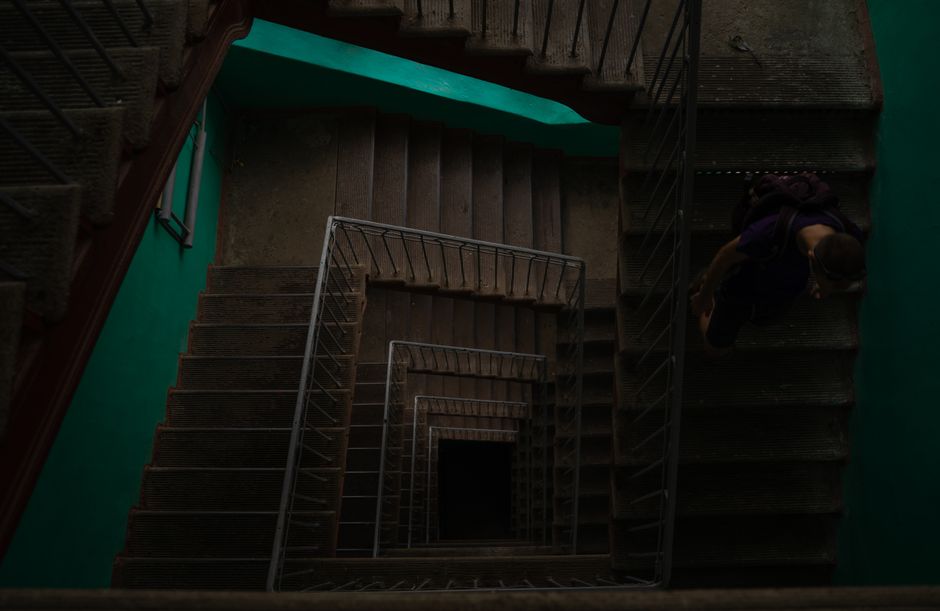
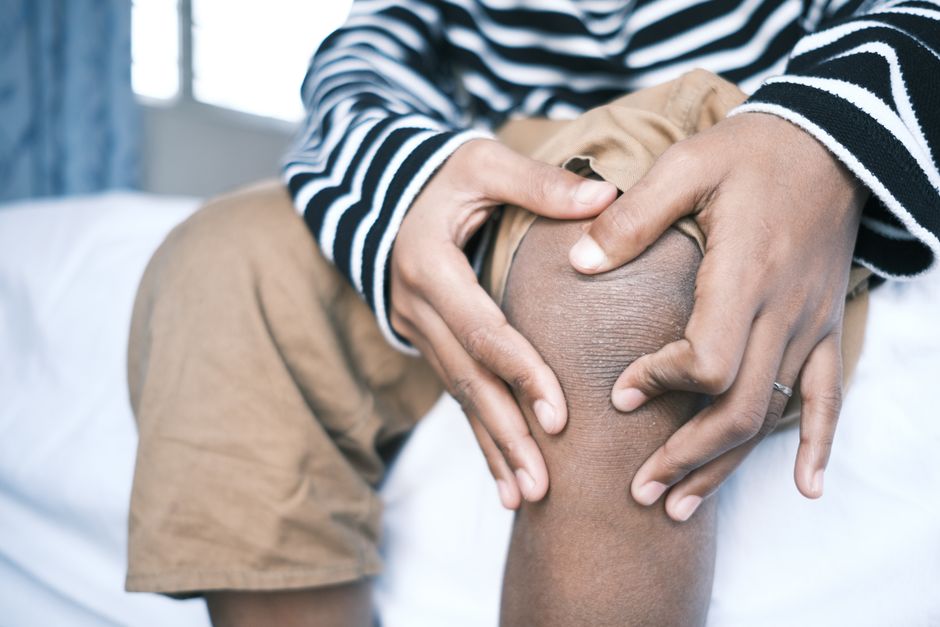
Stairs feel fine on the way down—until that final step. Your weight transfers forward, your knee bends to absorb the impact, and somewhere in that last quarter of the descent you feel it: a sharp twinge, a dull catch, or a sensation of instability that makes you grip the railing. Then you walk away and feel relatively normal. But hours later, when you stand up from your desk or try to bend your knee while cooking dinner, the pain returns—sometimes worse than it was on the stairs themselves. This delayed soreness, arriving when you've already forgotten about the stairs, is one of the most confusing parts of this particular knee problem.
Why stairs cause this specific pain pattern
🦵 Not sure what's causing your knee pain?
Answer 5 quick questions and get a personalised result.
Find My Pattern → 60 seconds · No sign-upDescending stairs places unusual demands on your knee. Unlike walking on flat ground, each step down requires your quadriceps (the muscle on the front of your thigh) to work eccentrically—meaning the muscle lengthens while contracting to control your descent. The final few steps are often where this strain peaks, because you're fatigued and your muscles are less able to cushion the impact smoothly.
The vulnerability happens in that weight-transfer moment. As your foot lands on a lower step, your knee must bend while simultaneously bearing most of your body weight. If your quadriceps are weak, tight, or already irritated, they can't manage this demand smoothly. The result can be several things: the cartilage under your kneecap may experience uneven pressure (especially if your kneecap doesn't track perfectly), the tendons connecting muscle to bone may become irritated, or small structures in the joint may pinch temporarily. There's a close connection between this and knee burning feeling after going downstairs — the same structures are usually involved.
What makes this worse is that the pain often doesn't peak immediately. Inflammation builds over hours. You descend stairs at 2 p.m., feel fine at 3 p.m., and then at 7 p.m. when you stand up from sitting, your knee feels stiff and achy. This delay tricks many people into thinking the stairs weren't the problem—but the timeline usually lines up once you start paying attention.
Speed matters too. A slow, controlled descent often causes less pain than rushing down. This is because slower movement gives your muscles more time to stabilize each step, rather than relying on passive structures (ligaments, cartilage) to absorb shock. There's a close connection between this and knee clicking with pain after going downstairs — the same structures are usually involved.
Practical ways to reduce pain and protect your knee
Descend stairs more deliberately. This isn't about moving slowly in a way that looks odd—it's about controlling each step rather than letting gravity do the work. Place your foot fully on each step before shifting weight forward. Grip the railing if one is available. This shifts the load away from your knee's passive structures and onto the muscles that can actually manage it.
Apply ice after stairs, not during. Ice works best when inflammation has already started building, so wait 2–3 hours after descending stairs before icing for 15 minutes. Many people ice immediately after activity and see no benefit; delayed icing (when soreness is emerging) often works better for this particular problem.
Strengthen your quadriceps in ways that don't involve stairs. Straight-leg raises (lying on your back, lifting one leg while keeping it straight) or wall sits (holding a partial squat position against a wall) build quad strength without the repetitive stress of stairs. Even 10 minutes, three times a week, can reduce how much your knee struggles on stairs within 3–4 weeks. The goal isn't dramatic strength—it's enough stability that your muscles can do their job on that final step.
Notice which knee and which moment. Some people feel pain only on one side, or only in the final 2–3 steps, or only when descending quickly. Paying attention to these specifics helps you understand whether the problem is muscle weakness, joint irritation, or something else. This information is also useful if you eventually see a professional.
Avoid rushing or carrying weight while descending. Holding groceries or a child changes your balance and forces your knee to work harder. If possible, make two trips or set items down before using stairs.
When to check with a healthcare professional
If pain is sharp enough that you're limping, if your knee buckles or gives way, or if swelling is visible, don't wait. Similarly, if the pain has been consistent for more than 3 weeks despite trying the approaches above, a professional evaluation can rule out structural damage and point you toward what actually needs attention.
Safety note: If you have severe pain, significant swelling, a recent injury, fever, numbness, or difficulty bearing weight, speak with a qualified healthcare professional promptly.
Frequently Asked Questions
Q: When should I stop exercising because of knee pain when bending after going downstairs?
A: Stop if the pain is sharp, climbing steadily during exercise, or causing you to change how you move. Mild, stable discomfort that stays at a 2 to 3 out of 10 is often acceptable to work through gently. Anything above that — or pain that simply feels wrong — is your cue to stop and reassess.
Q: Is it safe to exercise with knee pain when bending after going downstairs?
A: Gentle, low-impact movement is often beneficial — walking, swimming, and cycling tend to be well-tolerated. Avoid anything that sharply increases the discomfort. A physiotherapist can help identify which exercises are right for your specific situation and severity.
Q: How long does knee pain when bending after going downstairs usually last?
A: This varies a lot depending on the cause. Minor muscle strain or overuse tends to settle within a few days to two weeks with appropriate rest and gentle movement. If it hasn't improved after three weeks — or symptoms are worsening — that's a clear signal to get a professional opinion.
One Thing to Try First
Most people who take early, sensible action recover well. Start with what you can manage today and monitor closely. If things are not improving after a few weeks, that is the right time to bring in professional support.
Helpful Next Step
As an Amazon Associate, we may earn from qualifying purchases. This does not affect the price you pay.
Helpful Support Option
If this type of knee discomfort flares up on stairs, light compression or a supportive brace can help reduce strain on the joint while you work on strengthening the surrounding muscles.
See knee support options on AmazonHelpful Next Step
If gentle support helps during recovery, you can check a simple support option that many people use in daily life. This pattern is related to knee feels swollen after going downstairs, and the same management principles often apply.
This content is for educational purposes only and does not constitute medical advice. Always consult a qualified healthcare professional for diagnosis and treatment.