🦵 Not sure what's causing it? Take the 5-question knee quiz.
Find My Pattern →Knee Pain That Has Lasted More Than 6 Months
Six months in, your knee pain has stopped being a problem and started being your reality. You've learned its rhythms — the dull ache that creeps in after you've been standing still for more than ten minutes, the sharp catch that surprises you mid-step when you briefly forget about it, the way weather shifts seem to tighten everything up before rain even arrives. You've probably tried several things by now. Some helped a little. Some did nothing. Some made it worse, which was its own kind of discouraging. The hardest part isn't always the physical sensation anymore — it's the weight of carrying this forward, the small grief of cancelled plans, the question mark hanging over whether this is just how your body works now.
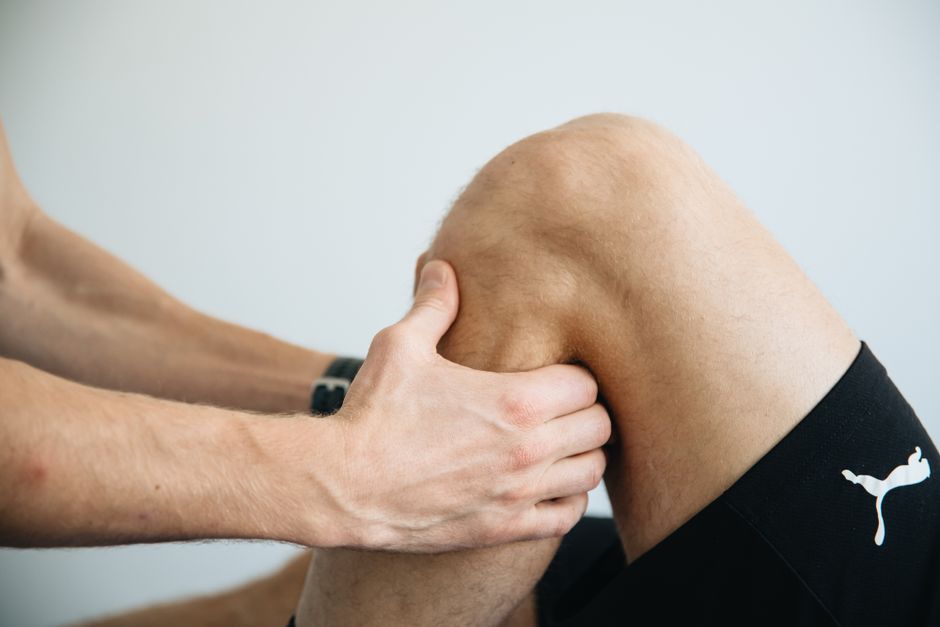
Why long-lasting knee pain often develops and persists
🦵 Not sure what's causing your knee pain?
Answer 5 quick questions and get a personalised result.
Find My Pattern → 60 seconds · No sign-upChronic knee pain that stretches beyond six months can stem from several different sources, and the reason it lingers often has less to do with a single injury and more to do with how your body has adapted around it.
In many cases, ongoing pain comes from gradual wear on the joint itself — cartilage thinning, bone-on-bone friction, or inflammation that never quite settled down. This isn't always visible on imaging, which is part of what makes it so frustrating. The pain can feel completely real while tests show little to nothing.
Muscle imbalances may also be at play. When your knee hurts, you naturally shift your weight, tighten certain muscles, and move differently. After months, those compensations become your new normal. Your hip might be tighter on one side. Your calf might be pulling differently. Your core might have quieted down. These shifts can keep irritating the knee even after the original problem has technically healed.
Some people develop pain patterns that outlast the injury itself. Your nervous system has learned that the knee is a danger zone, so it stays protective. Stress, poor sleep, or a flare-up from months ago can reactivate that pattern even when there's no fresh damage. The pain becomes a habit your body knows how to perform.
Ongoing inflammation is another possibility. If something keeps irritating the joint — whether it's activity level, weight distribution, or even how you're sleeping — the inflammation never fully resolves. It flares, calms slightly, flares again. Six months in, you're caught in that cycle.
What you can try, carefully and consistently
The shift from acute to chronic pain sometimes means the old playbook stops working. What helped in week two might not help in month six. Here's what can be worth exploring:
Track your pain patterns with specificity. Not just "it hurts" but when and how. Does it spike after certain activities, or does it throb at specific times of day? Does weather affect it? Does it feel worse after you sleep poorly? After a stressful day? Once you see the pattern, you can start testing small changes. If it flares after standing still, maybe moving every 8 minutes helps. If mornings are stiff, maybe gentle movement before you get out of bed eases the warm-up time. These aren't cures, but they're information.
Rebuild strength very gradually, in ways that don't provoke pain. This is different from "push through." You're looking for movements that feel neutral or slightly good — not movements that leave you sore or stiff the next day. For some people, that's water-based exercise where the buoyancy takes pressure off. For others, it's isometric holds (tensing muscles without moving the joint). For others, it's slow walking on flat ground. The point is consistency over intensity. Two weeks of gentle, pain-free movement often does more than one session of aggressive exercise followed by a flare-up and a week of avoidance.
Examine your daily movement patterns. How do you sit? Do you cross your legs? Tuck one knee under you? Sit with your legs extended? Small shifts in how you position yourself throughout the day can compound. Same with stairs — do you lead with the painful leg or the good one? Do you go up or down differently? Changing these habits feels trivial, but repetition matters when you're doing something dozens of times daily.
Pay attention to sleep quality and stress. This sounds unrelated to your knee, but chronic pain and sleep deprivation feed each other. When you're tired, pain feels sharper and inflammation lingers longer. When you're stressed, your muscles stay tighter and your nervous system stays more reactive. Neither of these changes your knee directly, but both change how your knee feels and how quickly it recovers from activity.
Consider working with a physical therapist who specializes in chronic pain, not just knee injuries. The approach is different. They're looking at movement patterns, strength imbalances, and nervous system responses — not just "fix the knee."
When to reach out to a healthcare professional
If you've been managing this on your own for six months, it's worth having a conversation with a doctor or physical therapist who can actually examine you. They can rule out things that need specific treatment and help you understand whether your current approach is working or whether a different direction makes sense.
You should prioritize getting professional input sooner if:
- Your pain is getting worse, not staying stable
- You've developed new symptoms (swelling, instability, catching sensations)
- You're becoming more limited in what you can do, not less
- You're experiencing significant pain at rest or at night
- The pain is affecting your mood, sleep, or quality of life in ways that feel unsustainable
Safety note: If you have severe pain, significant swelling, a recent injury, fever, numbness, or difficulty bearing weight, speak with a qualified healthcare professional promptly.
Frequently Asked Questions
Q: Should I apply heat or ice to a painful knee?
A: Cold — ice wrapped in a cloth — works better for acute flare-ups, particularly in the first 24 to 48 hours when the area feels warm or inflamed. Gentle heat tends to be more helpful for muscle stiffness and chronic, recurring aches. Never apply either directly to bare skin.
Q: How long does knee pain that has lasted more than 6 months usually last?
A: This varies a lot depending on the cause. Minor muscle strain or overuse tends to settle within a few days to two weeks with appropriate rest and gentle movement. If it hasn't improved after three weeks — or symptoms are worsening — that's a clear signal to get a professional opinion.
Q: What happens if I ignore knee pain that has lasted more than 6 months?
A: In some cases, minor knee discomfort does resolve on its own. But consistently ignoring pain — especially if it's altering how you move — can allow the underlying cause to worsen. Most people find that early, sensible attention leads to faster recovery than waiting it out indefinitely.
Where to Go From Here
Most people who take early, sensible action recover well. Start with what you can manage today and monitor closely. If things are not improving after a few weeks, that is the right time to bring in professional support.
Helpful Next Step
As an Amazon Associate, we may earn from qualifying purchases. This does not affect the price you pay.
Helpful Support Option
If this type of knee discomfort shows up during daily movement, light support may help reduce strain on the joint while you work on the underlying cause.
See knee support options on AmazonHelpful Next Step
If gentle support helps during recovery, you can check a simple support option that many people use in daily life.
This content is for educational purposes only and does not constitute medical advice. Always consult a qualified healthcare professional for diagnosis and treatment.