🦵 Not sure what's causing it? Take the 5-question knee quiz.
Find My Pattern →Knee Pain From Carrying Extra Body Weight
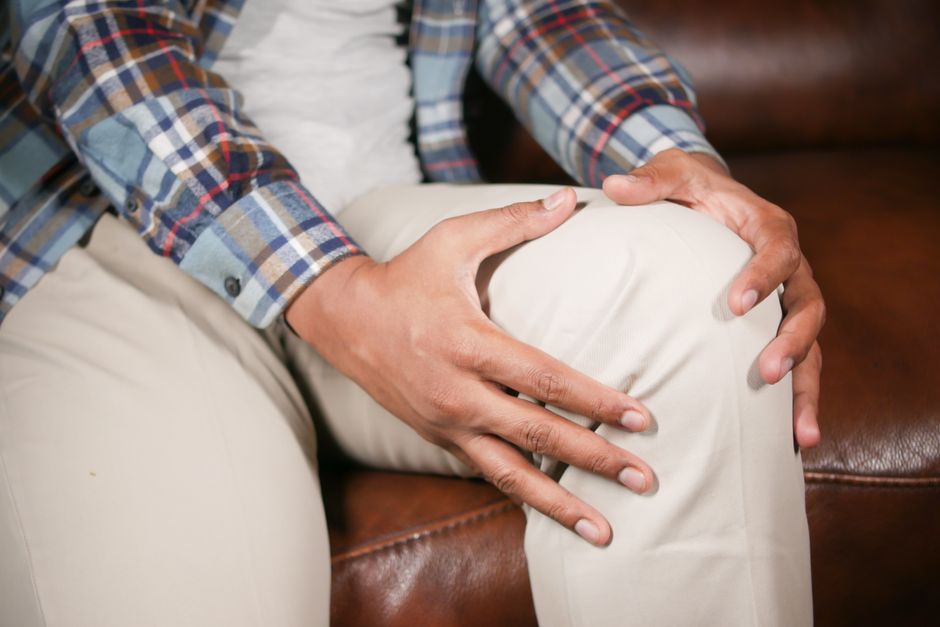
Stairs become a negotiation. You know the pain is coming before your foot even touches the first step—that sharp twinge when you shift your weight from one leg to the other, the slight hesitation as your knee seems to pause before committing. Getting out of the car feels heavier than it should. Playing with your kids or grandkids means sitting on the floor is fine, but standing back up requires a moment of bracing yourself against furniture, and by the time you're upright, there's that dull throb that wasn't there before. The weight you're carrying—whether it arrived gradually or suddenly, whether it came from medication, stress, injury recovery, or life circumstances you'd rather not explain to well-meaning people—has changed how your knees feel, and you're trying to figure out if this is permanent or if there's something that can actually help.
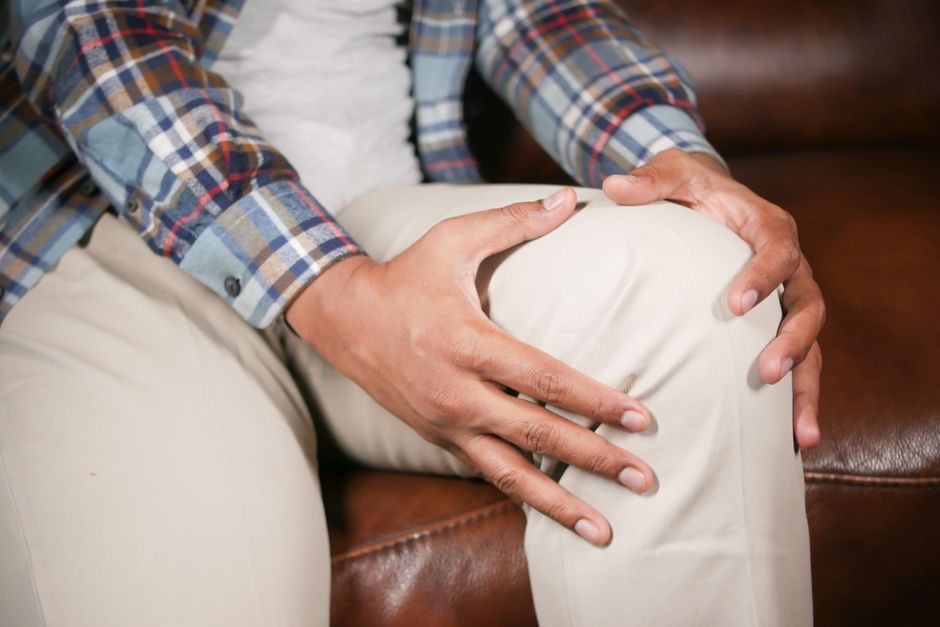
Why your knees are under more stress
🦵 Not sure what's causing your knee pain?
Answer 5 quick questions and get a personalised result.
Find My Pattern → 60 seconds · No sign-upWhen you carry extra body weight, your knees absorb more force with each step, each stair, each time you stand up from sitting. But it's not just a simple equation of more weight equals more pain. The timing and type of pain you feel depends on what's actually happening in and around your knee joint.
The cartilage that cushions your knee can begin to wear unevenly when extra weight shifts how your body distributes pressure. This doesn't happen overnight, and it's not always obvious—you might notice the pain only in certain positions or at certain times of day. The ligaments and tendons supporting your knee can tighten under sustained extra load, which can create that sharp twinge when you shift your weight suddenly or that dull, heavy sensation that builds throughout the day. This pattern is related to knee pain after weight gain, and the same management principles often apply.
Inflammation around the joint is common, too. Your body responds to the extra stress by increasing fluid in the joint space, which can create stiffness—especially noticeable in the morning or after you've been sitting for a while. The moment you stand up after sitting for 20 minutes, you might feel that tightness ease slightly as you move, only to return by mid-afternoon as fatigue sets in.
There's also a catch that few articles mention directly: the weight itself can change your posture and gait. You might lean forward slightly, shift your weight to one side, or walk differently to avoid pain—and those small adjustments can actually create new stress patterns in your knees, making the problem more complicated than the weight alone.
What you can try, carefully
Start with movement that doesn't load your knees heavily. Walking in water, cycling on a stationary bike with the seat adjusted properly, or gentle movement in a pool removes gravity's full weight from your joints while still letting your muscles work. The relief isn't just physical—it's often the first time in months you can move without anticipating pain.
Pay attention to how you sit and stand. The moment you shift your weight from one leg to the other while standing still—that's when many people feel the sharpest twinge. Try sitting in a chair with good back support, and when you stand, push through your legs evenly rather than rolling up from one side. Standing up from a low couch is harder on your knees than standing from a firm chair at the right height. Small changes in how you move can reduce pain significantly without requiring willpower or major life changes.
Wear shoes that actually support your feet and ankles. Worn-out sneakers or unsupportive shoes force your knees to work harder to stabilize your body. You don't need expensive orthotics necessarily—just shoes with good arch support and cushioning. Worn-out shoes are often invisible to you until you switch to better ones and realize how much effort your knees were compensating for.
Ice after activity, not just when it's swollen. If you've been on your feet or done more walking than usual, 15 minutes of ice afterward can prevent the dull throb from intensifying later. Many people wait until pain is obvious, but managing it preemptively often works better.
Be honest about the emotional weight alongside the physical weight. The shame of not being able to do what your friends or family do, the frustration of pain limiting your life, the grief if weight gain followed a medical event or medication you couldn't control—these are real, and they often make people avoid movement altogether, which worsens both pain and mood. Talking to someone about this—a therapist, a trusted friend, or a support group—isn't separate from managing your knee pain. It's part of it.
When to see a healthcare professional
If your pain is sharp and sudden, if your knee swells noticeably, if you feel like it's giving out on you, or if the pain is preventing you from doing basic activities like climbing stairs or getting dressed, schedule an appointment. You might benefit from physical therapy that's tailored to your situation, imaging to understand what's happening in the joint, or other treatments that can help.
Safety note: If you have severe pain, significant swelling, a recent injury, fever, numbness, or difficulty bearing weight, speak with a qualified healthcare professional promptly.
Frequently Asked Questions
Q: When should I stop exercising because of knee pain from carrying extra body weight?
A: Stop if the pain is sharp, climbing steadily during exercise, or causing you to change how you move. Mild, stable discomfort that stays at a 2 to 3 out of 10 is often acceptable to work through gently. Anything above that — or pain that simply feels wrong — is your cue to stop and reassess.
Q: Should I use a knee brace or compression sleeve for knee pain from carrying extra body weight?
A: A basic compression sleeve can offer comfort and mild support during activity, and many people find it helpful in the short term. Don't rely on it long-term without also addressing the root cause — whether that's strength, flexibility, or movement patterns.
Q: How long does knee pain from carrying extra body weight usually last?
A: This varies a lot depending on the cause. Minor muscle strain or overuse tends to settle within a few days to two weeks with appropriate rest and gentle movement. If it hasn't improved after three weeks — or symptoms are worsening — that's a clear signal to get a professional opinion.
Where to Go From Here
Most people who take early, sensible action recover well. Start with what you can manage today and monitor closely. If things are not improving after a few weeks, that is the right time to bring in professional support.
Helpful Next Step
As an Amazon Associate, we may earn from qualifying purchases. This does not affect the price you pay.
Helpful Support Option
If this type of knee discomfort shows up during or after prolonged sitting, light compression may help reduce stiffness and support the joint during movement.
See knee compression optionsHelpful Next Step
If gentle support helps during recovery, you can check a simple support option that many people use in daily life. This pattern is related to knee pain when sitting with one leg tucked under body, and the same management principles often apply.
This content is for educational purposes only and does not constitute medical advice. Always consult a qualified healthcare professional for diagnosis and treatment.