🦵 Not sure what's causing it? Take the 5-question knee quiz.
Find My Pattern →Knee Pain in Men Over 50 Not From Sport
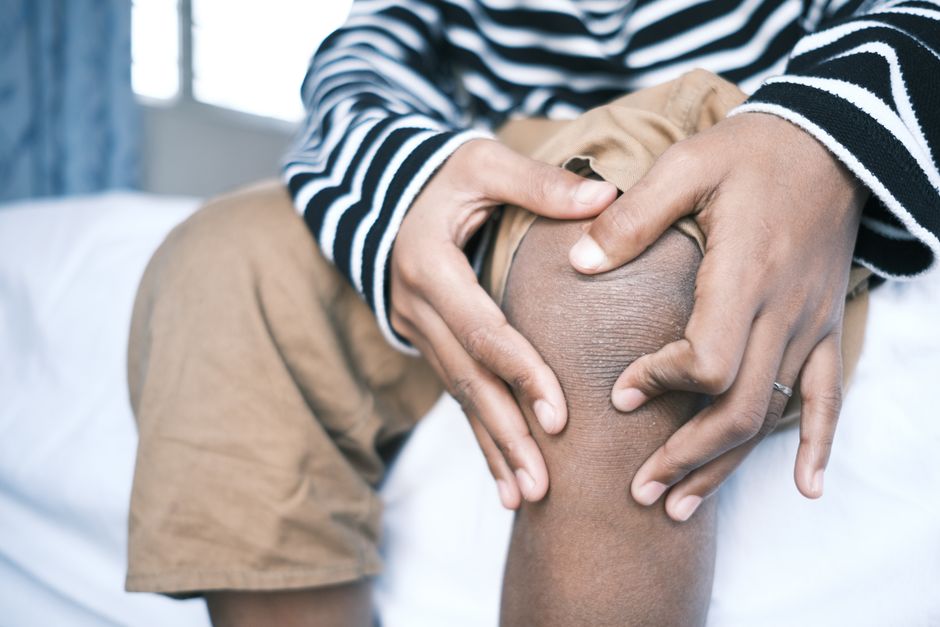
Morning stiffness greets you before your feet hit the floor. The kind that takes twenty minutes of moving around the kitchen before your knee feels like it belongs to you again. Then comes the afternoon—you've done nothing strenuous, maybe sat through a work meeting or a long drive—and by evening there's a dull, heavy ache that wasn't there at lunch. The swelling appears without warning. Some days are fine. Other days, stepping down the stairs makes you grip the railing tight, that sharp twinge catching you off guard. Nothing dramatic happened. No injury. No fall. Just the slow, confusing wear of a body that used to move without thinking.
Why this happens without injury
🦵 Not sure what's causing your knee pain?
Answer 5 quick questions and get a personalised result.
Find My Pattern → 60 seconds · No sign-upKnee pain in men over 50 often develops quietly because the structures inside and around your knee change over time, even when you're not doing anything that feels risky.
The cartilage that cushions your knee joint can thin gradually. This isn't a sudden tear—it's more like the padding slowly compressing over decades. When cartilage thins, the bones underneath have less protection, and movement that used to feel smooth can start to feel stiff or achy. The morning stiffness you feel is often your knee adjusting after hours of rest, when fluid hasn't yet redistributed through the joint. This pattern is related to knee pain in women over 40, and the same management principles often apply.
Muscle weakness around the knee is another common culprit, and it sneaks up on most men. After 50, muscles naturally lose mass and strength unless you're actively maintaining them. Your quadriceps (the muscle on the front of your thigh) and the muscles around your hip help stabilize your knee. When these weaken, your knee has to work harder to do ordinary things—walking, climbing stairs, standing up from a chair. That extra work creates inflammation and pain. The frustrating part: you might not realize your muscles have weakened because daily activities still feel manageable, right up until they don't.
Inflammation in the joint itself can develop from wear, from carrying extra weight, or from how your body naturally responds to aging. This inflammation doesn't always announce itself. It builds slowly, which is why you might notice swelling more in the evening after a normal day—the inflammation has accumulated throughout the hours of activity.
Stiffness in other areas—your hips, ankles, or lower back—can also shift how your knee moves. If your hip is tight, your knee compensates. If your ankle doesn't flex properly, your knee takes the strain. These chain reactions often go unnoticed until knee pain forces you to pay attention.
What you can try at home
Start with movement, not rest. The instinct to stay off a sore knee makes sense, but complete rest often makes morning stiffness worse. Gentle movement—a slow walk around the house, easy stretching—helps fluid move through the joint and can ease that locked-up feeling. The key is gentle. You're not exercising; you're moving.
Ice after activity, heat before movement. If your knee swells in the evening after a normal day, ice for fifteen minutes can reduce inflammation. But if you're stiff in the morning, warmth—a hot shower, a heating pad for ten minutes—helps loosen things up before you start moving. Many men find they need both, at different times of day.
Pay attention to how you sit. Long periods in a car or on the couch intensify that dull ache because your knee stays bent for hours. When you do sit, try putting a pillow under your knee to keep it slightly elevated. When you stand up, do it slowly. That sharp twinge on stairs often comes from standing too quickly or putting weight on a cold joint.
Walking matters more than you think. Not exercise walking—just normal walking at a comfortable pace. Walking keeps your muscles engaged without the impact of running or jumping. Swimming or water walking is even gentler because water supports your weight. Fifteen to twenty minutes most days can make a real difference over weeks, though the payoff isn't immediate.
Manage swelling before bed. Elevation in the evening—lying down with your knee propped on a pillow—helps fluid drain from the joint overnight. This can reduce morning stiffness. It's simple, costs nothing, and many men notice improvement within a week or two of doing it consistently.
When to see a professional
Knee pain that doesn't improve after two to three weeks of careful management deserves professional attention. Same if the pain is sharp enough to affect how you walk, if swelling is significant, or if you can't bear weight on the leg.
There's also the invisible cost: pain that disrupts sleep, or the frustration of declining invitations because you're uncertain whether your knee will cooperate. Isolation and fatigue from poor sleep often make pain feel worse, which creates a difficult cycle. A professional can help break that cycle and rule out something that needs specific treatment.
Safety note: If you have severe pain, significant swelling, a recent injury, fever, numbness, or difficulty bearing weight, speak with a qualified healthcare professional promptly.
Frequently Asked Questions
Q: Why does my knee feel worse after sitting for a long time?
A: This pattern — stiffness or pain after prolonged sitting that eases once you move around — is a hallmark of irritation around the kneecap or the soft tissues surrounding it. The joint stiffens in a flexed position, and the first movement disturbs it. Most people find it settles within a minute or two of walking.
Q: Should I apply heat or ice to a painful knee?
A: Cold — ice wrapped in a cloth — works better for acute flare-ups, particularly in the first 24 to 48 hours when the area feels warm or inflamed. Gentle heat tends to be more helpful for muscle stiffness and chronic, recurring aches. Never apply either directly to bare skin.
Q: Can I still walk normally when I have knee pain in men over 50 not from sport?
A: Many people manage normal walking despite this kind of discomfort. If walking causes you to limp or noticeably change your gait, though, that's worth addressing — compensating patterns often create new problems in the hips, lower back, or opposite knee over time.
Where to Go From Here
Most people who take early, sensible action recover well. Start with what you can manage today and monitor closely. If things are not improving after a few weeks, that is the right time to bring in professional support.
Helpful Next Step
As an Amazon Associate, we may earn from qualifying purchases. This does not affect the price you pay.
Helpful Support Option
If this type of knee discomfort shows up during daily movement, light support may help reduce strain on the joint while you work on the underlying cause.
See knee support options on AmazonHelpful Next Step
If gentle support helps during recovery, you can check a simple support option that many people use in daily life. If you also experience knee pain over 50, the two issues often share the same underlying cause.
This content is for educational purposes only and does not constitute medical advice. Always consult a qualified healthcare professional for diagnosis and treatment.