🦵 Not sure what's causing it? Take the 5-question knee quiz.
Find My Pattern →Knee Pain in Children From Growing Pains
Your child wakes up at 2 a.m. crying about their knee. You check for swelling, redness, anything visible. There's nothing. By breakfast, they're fine—running around, asking to go to the park. Then by evening, after a full day of activity, the complaints start again. The pain seems to follow a rhythm you can almost predict: active day, then tears at bedtime. And the guilt sets in. You wonder if you're missing something serious, or if you're overreacting by taking it seriously at all. This is the confusing middle ground where growing pains live.
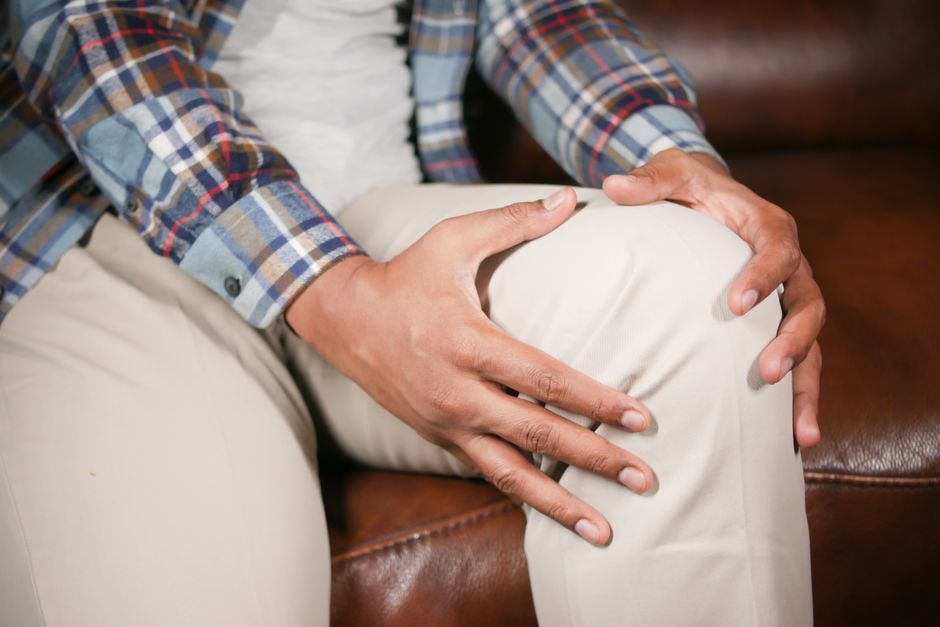
Understanding why this happens
🦵 Not sure what's causing your knee pain?
Answer 5 quick questions and get a personalised result.
Find My Pattern → 60 seconds · No sign-upGrowing pains in children's knees often develop when bones are lengthening faster than the muscles and tendons around them can comfortably stretch. During growth spurts—which can happen suddenly and intensely—the structures supporting the knee joint are essentially playing catch-up. The muscles become tight, and that tightness can create an ache that feels concentrated around the kneecap or behind it.
The timing matters here. Pain that arrives after hours of play or sports, then fades overnight, often points to this pattern. Your child's muscles and connective tissues have been working hard all day, and they're simply fatigued and tight. When they rest and sleep, the pain usually subsides because there's no demand on those structures.
Activity level can amplify the sensation. A child who runs around constantly during a growth spurt may experience sharper or more frequent twinges than a less active child. This doesn't mean activity is bad—it just means the body is signaling that the muscles need support.
Occasionally, the pain can also relate to how a child's body is proportioned during rapid growth. Temporary imbalances in strength or flexibility between different muscle groups can create strain patterns that feel like they're coming from the knee itself.
Practical ways to ease the discomfort
Warmth often works better than cold for this type of pain. A warm compress, a heating pad set to low, or even a warm bath before bed can help relax tight muscles. Many parents find that 10–15 minutes of gentle warmth in the evening reduces nighttime complaints. Cold can sometimes feel sharp and uncomfortable to a child already experiencing a dull ache, so start with heat and see how your child responds.
Gentle stretching during calm moments helps. When your child isn't in pain, simple stretches—like lying on their back and gently pulling one knee toward their chest, or sitting and reaching toward their toes—can gradually reduce muscle tightness. Make it playful, not a chore. Even 5 minutes a day can shift things over a week or two. The goal isn't flexibility competition; it's easing tension.
Keep activity consistent rather than sporadic. The pain often worsens when a child goes from being mostly sedentary to suddenly very active (like starting a new sport or having a particularly active day). Steady, regular movement tends to be gentler on growing bodies than boom-and-bust patterns. If your child loves soccer but only plays once a week intensely, a few minutes of casual movement on off-days can help.
Over-the-counter pain relief can help, but use it strategically. Ibuprofen or acetaminophen taken 30 minutes before bed, or after a particularly active day, may reduce nighttime waking. This isn't about masking the pain forever—it's about breaking the cycle of sleep disruption so your child (and you) can rest. Talk with your pediatrician about appropriate dosing for your child's age and weight.
Pay attention to footwear and support. Sometimes growing pains feel worse in shoes that don't provide enough arch support, especially during or after sports. Well-fitting athletic shoes designed for your child's activity can make a noticeable difference.
When to talk with a professional
Growing pains are common and usually harmless, but they're not the only thing that causes knee pain in children. If the pain is one-sided and severe, doesn't improve with rest, or is accompanied by swelling, redness, warmth, or limping that doesn't go away, those are signals to get it checked. Pain that wakes your child repeatedly and doesn't ease by morning, or pain that's getting worse over weeks rather than better, also warrants a conversation with your pediatrician.
Similarly, if your child starts avoiding activities they love because of knee pain, or if the pain is affecting their sleep significantly night after night, professional input can help rule out other causes and give you a clearer path forward.
Safety note: If you have severe pain, significant swelling, a recent injury, fever, numbness, or difficulty bearing weight, speak with a qualified healthcare professional promptly.
Frequently Asked Questions
Q: Should I use a knee brace or compression sleeve for knee pain in children from growing pains?
A: A basic compression sleeve can offer comfort and mild support during activity, and many people find it helpful in the short term. Don't rely on it long-term without also addressing the root cause — whether that's strength, flexibility, or movement patterns.
Q: When should I stop exercising because of knee pain in children from growing pains?
A: Stop if the pain is sharp, climbing steadily during exercise, or causing you to change how you move. Mild, stable discomfort that stays at a 2 to 3 out of 10 is often acceptable to work through gently. Anything above that — or pain that simply feels wrong — is your cue to stop and reassess.
Q: Why does my knee feel worse after sitting for a long time?
A: This pattern — stiffness or pain after prolonged sitting that eases once you move around — is a hallmark of irritation around the kneecap or the soft tissues surrounding it. The joint stiffens in a flexed position, and the first movement disturbs it. Most people find it settles within a minute or two of walking.
One Thing to Try First
Most people who take early, sensible action recover well. Start with what you can manage today and monitor closely. If things are not improving after a few weeks, that is the right time to bring in professional support.
Helpful Next Step
As an Amazon Associate, we may earn from qualifying purchases. This does not affect the price you pay.
Helpful Support Option
If this type of knee discomfort shows up during daily movement, light support may help reduce strain on the joint while you work on the underlying cause.
See knee support options on AmazonHelpful Next Step
If gentle support helps during recovery, you can check a simple support option that many people use in daily life.
This content is for educational purposes only and does not constitute medical advice. Always consult a qualified healthcare professional for diagnosis and treatment.