🦵 Not sure what's causing it? Take the 5-question knee quiz.
Find My Pattern →Knee Pain Over 50
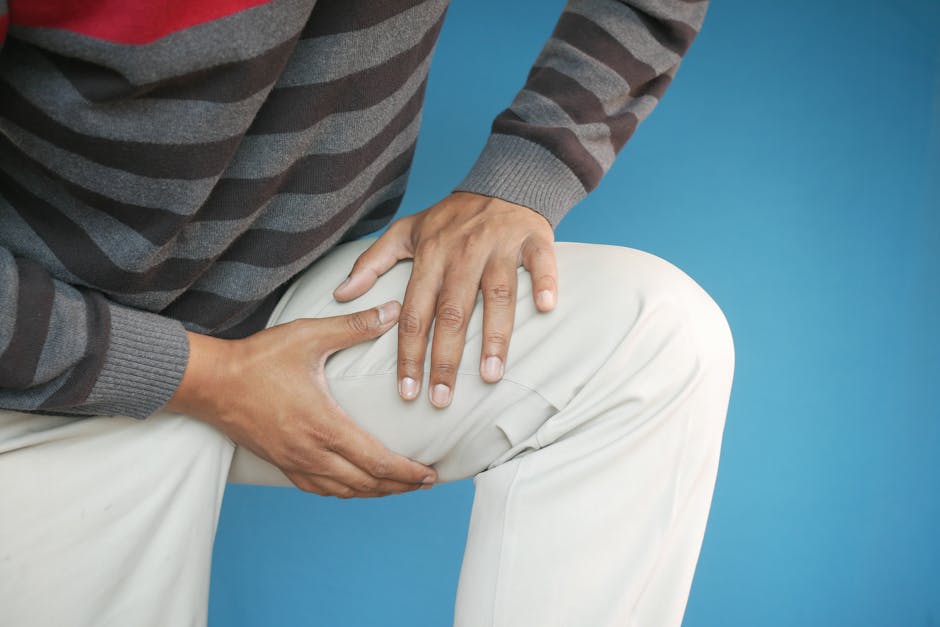
Stairs become a negotiation. You know the ones—the moment your foot lands on the second step, there's a sharp catch in your knee that makes you grip the railing. It passes in seconds, but it's enough to make you pause before climbing. Or maybe it's different for you: the pain doesn't show up until evening, a dull, heavy ache that settles in after you've been sitting for an hour, and standing again feels like your knee needs permission to bend. By 50, many people find their knees have become unpredictable—fine one day, stiff and sore the next, with no clear reason why.
Why your knees change after 50
🦵 Not sure what's causing your knee pain?
Answer 5 quick questions and get a personalised result.
Find My Pattern → 60 seconds · No sign-upThe tissues in your knee have been absorbing decades of movement. The cartilage that cushions your bones can thin over time, especially if you've been active, carried extra weight at certain points in your life, or had an old injury that never fully resolved. This doesn't happen overnight; it's gradual enough that you might not notice until one day you do.
Muscle strength naturally declines after 50 if you're not actively maintaining it. Your quadriceps and hamstrings are supposed to stabilize your knee and absorb shock when you walk or stand. When those muscles weaken, your knee joint has to work harder, and that extra effort can trigger inflammation and pain.
Hormonal shifts, especially for women in perimenopause and menopause, can increase joint inflammation and affect how your body manages pain. This isn't something most people talk about, but it's real—some people notice their knees hurt worse during certain times of the month, or that pain levels shifted noticeably after menopause began.
Stiffness from inactivity can also create a painful cycle. You have knee pain, so you move less. Moving less makes your joints stiffer and muscles weaker. Then moving hurts more, so you move even less. Breaking that cycle is often the hardest part.
What you can try
Start moving gently, even when it hurts a little. This feels counterintuitive, but stiffness gets worse with complete rest. Walking on flat ground at a comfortable pace—even just 10 or 15 minutes—can help your knee feel less locked up. The key is consistency over intensity. A short walk most days often works better than one ambitious hike that leaves you sore for a week.
Pay attention to what makes it worse, not just what hurts. Some people find that certain movements trigger pain hours later—like lunges, deep squats, or prolonged sitting with legs bent. Others notice that weather changes bring more ache, or that pain is worse after a day of standing. Keeping a simple note of what you did and how your knee felt the next day can reveal patterns that help you plan your day better.
Use ice after activity, heat before. If your knee swells or feels hot after movement, ice for 15 minutes can help. If you're stiff in the morning or before activity, gentle heat—a warm shower, heating pad, or warm towel—can ease that stiffness and make movement feel less grinding. The timing matters more than people realize.
Strengthen the muscles around your knee without stressing the joint itself. This might mean seated leg lifts, standing on one leg while holding a counter, or isometric exercises where you tighten your thigh muscle without moving. A physical therapist can show you what's safe for your specific situation. Stronger muscles do the stabilizing work, which takes pressure off the joint itself.
Manage your weight if that's relevant for you. Every pound of body weight puts extra force through your knee when you walk. This isn't about appearance—it's mechanical. If weight loss is something you're considering, even a modest reduction can change how your knee feels.
When to reach out to a professional
If your pain is sharp and sudden, or if you can't put weight on your leg, don't wait. If swelling is significant or getting worse, if your knee feels unstable or gives way unexpectedly, or if pain is waking you regularly at night despite trying these approaches, a doctor or physical therapist can help you understand what's happening and create a plan that fits your life.
Some people benefit from anti-inflammatory medication, others from physical therapy, and some from a combination. A professional can also rule out things that need specific treatment—like a meniscus tear or significant cartilage damage—versus pain that responds well to movement and strengthening.
Safety note: If you have severe pain, significant swelling, a recent injury, fever, numbness, or difficulty bearing weight, speak with a qualified healthcare professional promptly.
Frequently Asked Questions
Q: Is it normal to hear clicking sounds alongside knee pain over 50?
A: Joint sounds are extremely common and usually harmless — they often come from gas bubbles in the joint fluid or tendons flicking over bony prominences. If the clicking is painless and your knee functions normally, it's generally nothing to worry about. If it's accompanied by pain or swelling, mention it to a healthcare professional.
Q: Is it safe to exercise with knee pain over 50?
A: Gentle, low-impact movement is often beneficial — walking, swimming, and cycling tend to be well-tolerated. Avoid anything that sharply increases the discomfort. A physiotherapist can help identify which exercises are right for your specific situation and severity.
Q: Should I use a knee brace or compression sleeve for knee pain over 50?
A: A basic compression sleeve can offer comfort and mild support during activity, and many people find it helpful in the short term. Don't rely on it long-term without also addressing the root cause — whether that's strength, flexibility, or movement patterns.
A Simple Next Step
Most people who take early, sensible action recover well. Start with what you can manage today and monitor closely. If things are not improving after a few weeks, that is the right time to bring in professional support.
Helpful Next Step
As an Amazon Associate, we may earn from qualifying purchases. This does not affect the price you pay.
Helpful Support Option
If this type of knee discomfort shows up during daily movement, light support may help reduce strain on the joint while you work on the underlying cause.
See knee support options on AmazonHelpful Next Step
If gentle support helps during recovery, you can check a simple support option that many people use in daily life.
This content is for educational purposes only and does not constitute medical advice. Always consult a qualified healthcare professional for diagnosis and treatment.