🦵 Not sure what's causing it? Take the 5-question knee quiz.
Find My Pattern →Knee Pain Front of Knee During Squats
That dull ache starts building somewhere around rep five or six. It's not sharp enough to stop you, so you keep going. The last two reps feel noticeably sharper, and you stand up thinking it'll fade. But then something strange happens: the pain either vanishes completely within minutes, or it lingers and actually gets worse over the next few hours. By the next morning, getting out of bed feels stiff and uncomfortable in a way the squat itself didn't predict. This pattern—where front-of-knee pain during squats behaves differently than you'd expect—is one of the most frustrating things about it.
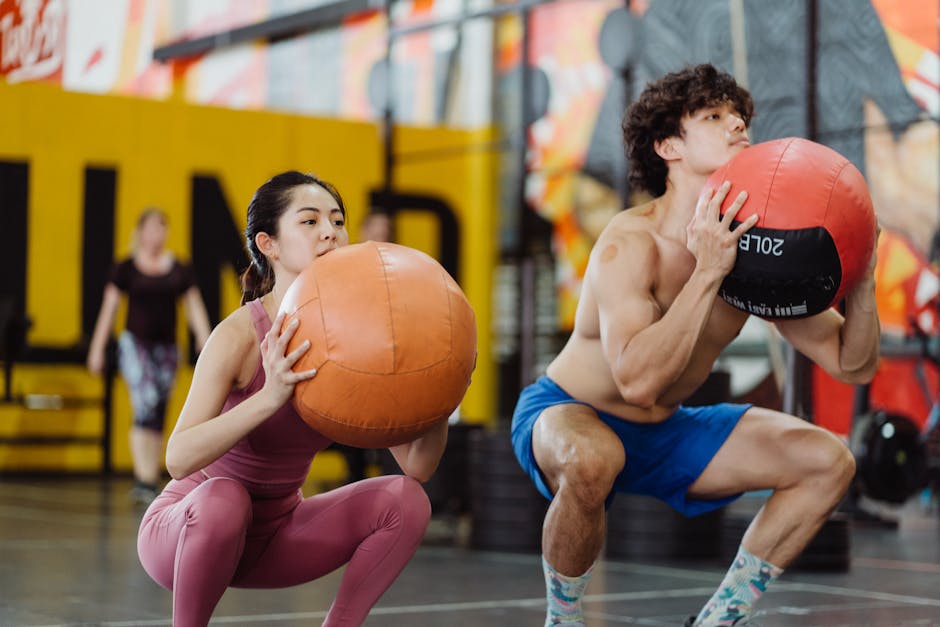
Why front knee pain shows up during squats
🦵 Not sure what's causing your knee pain?
Answer 5 quick questions and get a personalised result.
Find My Pattern → 60 seconds · No sign-upFront knee pain during squats can come from several different sources, and the tricky part is that the same sensation might have different causes for different people.
One common reason is that your quadriceps (the muscle group on the front of your thigh) is working harder than your glutes and hip muscles are helping it. When you squat, your quads are responsible for controlling how your knee bends and straightens. If your glutes aren't pulling their weight—especially the smaller glute muscles that stabilize your hip—your quads have to compensate. This creates extra pressure on the tissues around your kneecap, which can produce that building ache you feel mid-set. If you also experience knees cave in during squats, the two issues often share the same underlying cause.
Another possibility is how your knee is tracking over your foot. Some people's knees drift inward slightly as they squat deeper, even if they don't notice it happening. This inward drift changes the angle of force on your kneecap and can irritate the tissues underneath or around it. It may happen only at a certain depth—maybe only below 90 degrees—which is why your pain might feel very specific to that range.
Your footwear and the surface you're squatting on matter more than many people realize. A shoe with minimal cushioning or poor arch support can change how your foot contacts the ground, which ripples up through your ankle, knee, and hip. Similarly, squatting on a soft or unstable surface (like thick gym mats or a padded platform) can force your muscles to work harder just to keep you stable, adding extra stress to your knees.
Lastly, the timing of pain can sometimes point to overuse or incomplete recovery. If you're squatting frequently without enough rest days between sessions, or if you've recently increased your volume or depth, your tissues may simply need more time to adapt. This is especially true if the pain is worse the morning after than during the actual workout. There's a close connection between this and front of knee hurts when kneeling — the same structures are usually involved.
What to try carefully
Adjust your stance width and foot angle first. Before changing much else, experiment with where you place your feet. Try moving them slightly wider apart, or adjust your toe angle a few degrees outward. Small changes here can shift how forces travel through your knee. Do this without adding weight—just bodyweight squats—and notice if the sensation changes at all. Some people find that a slightly wider stance or a subtle outward toe angle reduces front knee stress significantly.
Reduce your depth temporarily, not permanently. You don't need to stop squatting. Instead, squat only as deep as you can go without the sharp sensation appearing. This might mean stopping at 80 degrees of knee bend instead of full depth. The goal isn't to stay at this depth forever; it's to let your tissues adapt while you continue moving. As things improve, you can gradually go deeper again. Pay attention to whether the pain appears at a specific depth—that information is useful.
Check your knee position over your toes. During a squat, your knee should track roughly over your second toe. Watch yourself in a mirror from the front, or have someone film you. If your knee drifts inward as you descend, that's something worth correcting. Cue yourself to "push your knees outward" (without actually moving your feet) as you squat down. This engages your outer hip muscles and can reduce inward drift.
Change when and how you're icing. Instead of icing only if pain is severe, try icing for 10–15 minutes within an hour after squatting, even if pain feels mild. Sometimes the irritation builds over hours, and early icing can prevent that delayed pain spike the next morning. Also notice whether pain is worse on days when you've slept poorly or when you're under stress—these factors genuinely affect how your tissues respond to loading.
Examine your shoes and the surface. If you're squatting in very soft, cushioned shoes or on an unstable surface, try squatting in flat, minimal-cushion shoes (or barefoot if your gym allows it) on a firm, stable surface. This gives your foot and ankle better feedback and often reduces the compensation your knee has to do.
When to see a professional
If front knee pain during squats is sharp rather than dull, worsens over weeks despite these adjustments, or is accompanied by swelling, catching, or instability, a physical therapist or sports medicine doctor can assess what's actually happening. They can watch you squat, check your muscle strength and flexibility, and identify patterns you might miss on your own. This is especially worth doing if the pain is affecting your daily life—like making stairs or getting out of bed noticeably difficult.
Safety note: If you have severe pain, significant swelling, a recent injury, fever, numbness, or difficulty bearing weight, speak with a qualified healthcare professional promptly.
Frequently Asked Questions
Q: Should I apply heat or ice to a painful knee?
A: Cold — ice wrapped in a cloth — works better for acute flare-ups, particularly in the first 24 to 48 hours when the area feels warm or inflamed. Gentle heat tends to be more helpful for muscle stiffness and chronic, recurring aches. Never apply either directly to bare skin.
Q: Should I use a knee brace or compression sleeve for knee pain front of knee during squats?
A: A basic compression sleeve can offer comfort and mild support during activity, and many people find it helpful in the short term. Don't rely on it long-term without also addressing the root cause — whether that's strength, flexibility, or movement patterns.
Q: Is it safe to exercise with knee pain front of knee during squats?
A: Gentle, low-impact movement is often beneficial — walking, swimming, and cycling tend to be well-tolerated. Avoid anything that sharply increases the discomfort. A physiotherapist can help identify which exercises are right for your specific situation and severity.
A Simple Next Step
Most people who take early, sensible action recover well. Start with what you can manage today and monitor closely. If things are not improving after a few weeks, that is the right time to bring in professional support.
Helpful Next Step
As an Amazon Associate, we may earn from qualifying purchases. This does not affect the price you pay.
Helpful Support Option
Resistance bands are commonly used in knee rehabilitation to build quad and glute strength without placing heavy load on the joint. A useful addition to a home exercise routine.
See resistance band optionsHelpful Next Step
If gentle support helps during recovery, you can check a simple support option that many people use in daily life. This pattern is related to knee pain after gym squats, and the same management principles often apply.
This content is for educational purposes only and does not constitute medical advice. Always consult a qualified healthcare professional for diagnosis and treatment.