🦵 Not sure what's causing it? Take the 5-question knee quiz.
Find My Pattern →How to Squat Without Knee Pain
You lower yourself down, and somewhere around the middle of the movement—maybe two-thirds of the way down—you feel a sharp pinch on the inside of your knee. It's not unbearable, but it's enough to make you hesitate. You come back up, and it's gone. So you try again. Same spot, same pinch. After a few reps, the pinch transforms into a dull ache that builds with each rep, even though rep one felt completely fine. By the next morning, your knee is stiff in a way that makes you wonder if the squat was worth it at all.
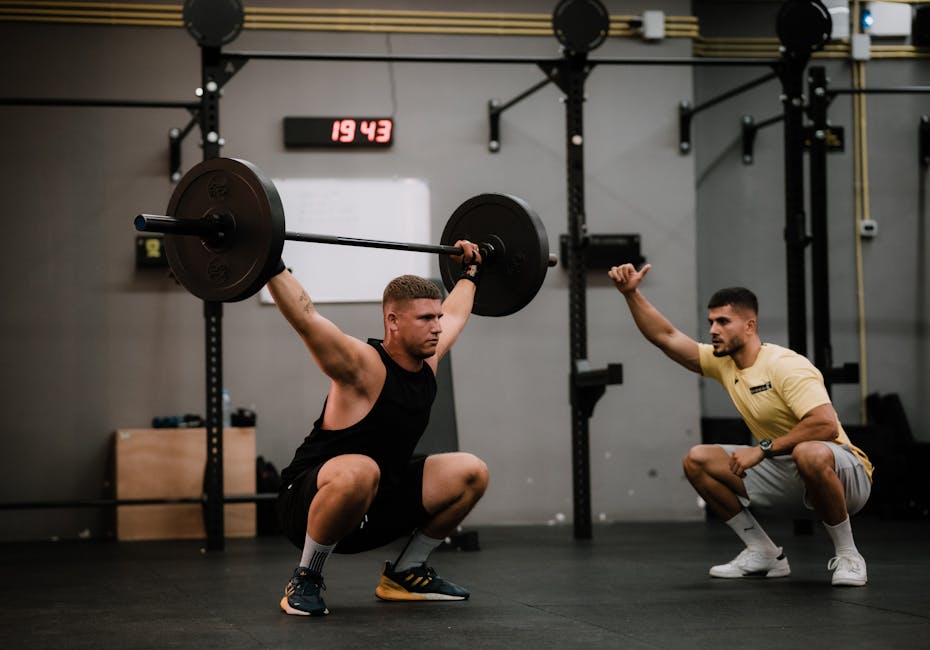
This isn't about form cues you've already heard. This is about understanding why your knees behave this way and how to work around it.
Why your knees hurt during or after squats
🦵 Not sure what's causing your knee pain?
Answer 5 quick questions and get a personalised result.
Find My Pattern → 60 seconds · No sign-upKnee pain during squats usually comes from one of several places, and it's often a combination rather than a single cause.
Your thigh and hip muscles may not be sharing the load evenly. When your glutes, hip stabilizers, or outer thigh muscles are weaker or less active than your quadriceps, your knee joint absorbs more stress than it's designed to handle. This is especially true in the bottom third of a squat, where the angle is most demanding. The pinching sensation you feel often signals that the knee is being pulled or compressed in a slightly wrong direction.
Your knee tracking may shift under load. Even small inward collapses—where your knee drifts toward the midline of your body—can irritate the cartilage and tissues on the inside of the knee. This can happen without you noticing it, particularly when you're fatigued or when your feet aren't positioned quite right for your specific leg structure.
The surface and footwear matter more than most people realize. Squatting on a soft, unstable surface (like a thick yoga mat or padded gym floor) forces your foot and ankle to work harder to stay stable, which can indirectly stress your knee. Similarly, shoes with poor arch support or too much cushioning can change how forces travel up your leg.
Underlying structural differences in how your femur angles or how your knees naturally sit can mean generic cues don't fully apply to you. If you have a wider Q-angle (the angle between your hip and knee) or naturally inward-turning knees, a squat position that works perfectly for someone else might create friction in your joint.
What to try: practical adjustments to reduce pain
Start by changing your stance width and foot angle. Before you change anything else, experiment with your feet. Try squatting with your feet slightly wider than shoulder-width, and angle your toes outward by 5–15 degrees. The goal isn't a rule—it's finding the angle where your knee feels less pinched. Some people feel relief with a narrower stance; others need wider. Pay attention to where the pain is worst, then shift your weight slightly left or right to see if that changes the sensation. Small adjustments can eliminate the sharp pinch entirely.
Reduce your depth intentionally. You don't need to chase a full squat if it hurts. A partial squat—descending only to where your thighs are parallel to the ground or slightly higher—can be just as effective for building strength while removing the most demanding angle. Many people assume deeper is always better; it isn't. Working pain-free at 70% depth for consistent weeks often builds more usable strength than grinding through full-depth squats that leave your knee sore.
Wear shoes with a firm, flat sole. If you're squatting in running shoes, cross-trainers with thick cushioning, or socks, try switching to flat shoes like minimalist sneakers, weightlifting shoes, or even just bare feet (if your gym allows it). A firm base lets your foot and ankle stabilize properly, which takes pressure off your knee. You'll often notice this change immediately—the difference between a wobbly, unstable feeling and a solid platform.
Warm up your hips and glutes before you squat. Not a generic warm-up: targeted activation. Spend 2–3 minutes doing glute bridges, clamshells, or side-lying hip abduction. The goal is to "wake up" these muscles so they're ready to do their job during the squat. When your glutes are primed, they share more of the load, and your quadriceps doesn't have to work as hard. This often reduces that dull ache that builds over reps.
Build strength in single-leg movements. Lunges, step-ups, and single-leg deadlifts force each leg to stabilize independently. They often feel safer than bilateral squats because you can control the depth and load more precisely. Spending 2–3 weeks building strength this way can reduce knee pain when you return to squats.
When pain means you should stop
If your pain is sharp, sudden, or accompanied by swelling, instability, or a sense that something "gave way," stop immediately. Delayed-onset aches that appear 6–12 hours after exercise are common and often manageable, but acute pain during the movement itself warrants professional evaluation. If you also experience sharp knee pain at bottom of squat, the two issues often share the same underlying cause.
Safety note: If you have severe pain, significant swelling, a recent injury, fever, numbness, or difficulty bearing weight, speak with a qualified healthcare professional promptly.
Frequently Asked Questions
Q: Should I use a knee brace or compression sleeve for how to squat without knee pain?
A: A basic compression sleeve can offer comfort and mild support during activity, and many people find it helpful in the short term. Don't rely on it long-term without also addressing the root cause — whether that's strength, flexibility, or movement patterns.
Q: Is it normal to hear clicking sounds alongside how to squat without knee pain?
A: Joint sounds are extremely common and usually harmless — they often come from gas bubbles in the joint fluid or tendons flicking over bony prominences. If the clicking is painless and your knee functions normally, it's generally nothing to worry about. If it's accompanied by pain or swelling, mention it to a healthcare professional.
Q: Can I still walk normally when I have how to squat without knee pain?
A: Many people manage normal walking despite this kind of discomfort. If walking causes you to limp or noticeably change your gait, though, that's worth addressing — compensating patterns often create new problems in the hips, lower back, or opposite knee over time.
What To Do Tomorrow Morning
Most people who take early, sensible action recover well. Start with what you can manage today and monitor closely. If things are not improving after a few weeks, that is the right time to bring in professional support.
Helpful Next Step
As an Amazon Associate, we may earn from qualifying purchases. This does not affect the price you pay.
Helpful Support Option
Resistance bands are commonly used in knee rehabilitation to build quad and glute strength without placing heavy load on the joint. A useful addition to a home exercise routine.
See resistance band optionsHelpful Next Step
If gentle support helps during recovery, you can check a simple support option that many people use in daily life.
This content is for educational purposes only and does not constitute medical advice. Always consult a qualified healthcare professional for diagnosis and treatment.