🦵 Not sure what's causing it? Take the 5-question knee quiz.
Find My Pattern →Knee Pain in Older Adults
Mornings feel stiff — your knees are tight when you first get out of bed, and you move slowly until they warm up. By mid-morning, they feel better. But then you sit for lunch, and when you stand up to clear the table, there's that sharp twinge as your weight shifts. By evening, after a day of normal activity, the ache is back, duller now but persistent enough that you think twice about the stairs. This isn't constant agony. It's the unpredictable rhythm of pain that comes and goes, making it hard to know what's actually helping and what's just luck.
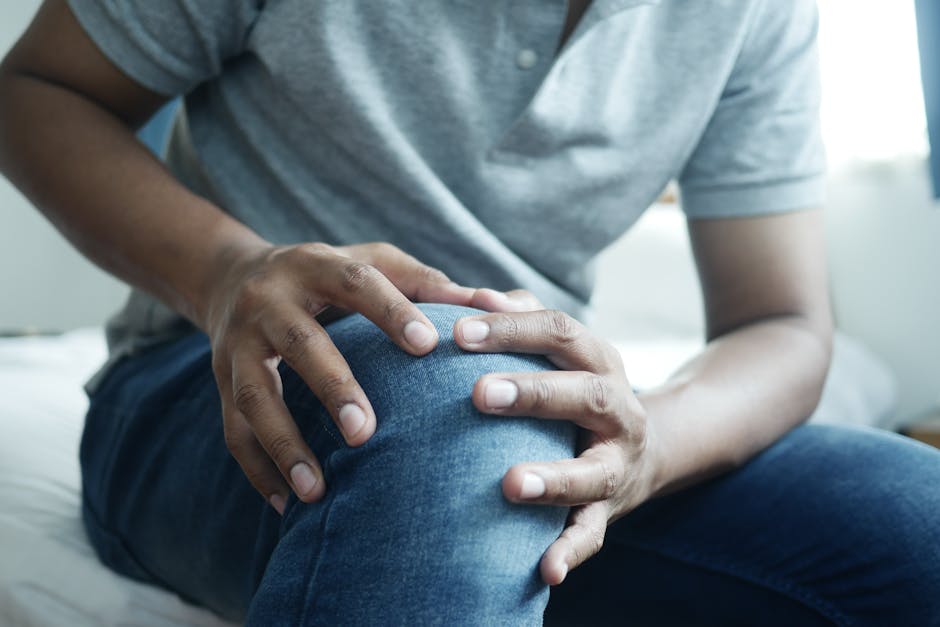
Knee pain in older adults often follows this pattern — better some days, worse others, shaped by activity and rest in ways that don't always make obvious sense. The experience can feel isolating because the pain itself isn't always visible to others, yet it quietly reshapes what you're willing to do.
Why your knees are changing
🦵 Not sure what's causing your knee pain?
Answer 5 quick questions and get a personalised result.
Find My Pattern → 60 seconds · No sign-upThe most common reason is cartilage wear. Over decades, the smooth tissue cushioning your knee joint can thin and become rougher. This doesn't happen overnight, and it doesn't happen at the same rate for everyone. Some people notice it in their sixties; others don't until much later. The wearing process can be accelerated by old injuries, repetitive strain from work or activities, or the way your body distributes weight through your joints.
Muscle weakness around the knee is often a hidden culprit. Your quadriceps (the muscles on top of your thigh) and hip muscles are supposed to stabilize your knee with every step. If those muscles have weakened over time — which happens naturally as we age, especially if you've been less active — your knee joint has to work harder to stay stable. That extra effort can create inflammation and pain, particularly when you're doing something that demands more from those muscles, like climbing stairs or standing for a while.
Inflammation in the joint itself can develop for several reasons. Sometimes it's a response to wear, sometimes it's related to how your body processes fluid in that space, and sometimes weather changes seem to affect it (a pattern many people report, even though it's not fully understood by researchers). This inflammation can feel like swelling, stiffness, or a dull heaviness in the knee.
Stiffness from reduced movement can create a difficult loop. Pain makes you move less, and moving less makes the joint stiffer, which then makes movement feel harder and more painful. Breaking this cycle is important, but it requires a different kind of approach than just "pushing through." When the lower back is also involved, this stiffness cycle can become harder to break — knee and lower back pain together is more common in older adults than many people realise, and the two often reinforce each other.
What you can try without risk
Start with movement that doesn't hurt. This might sound obvious, but many people avoid their knees entirely because of pain, which actually makes things worse. Instead, find activities that feel gentle — walking on flat ground, water-based exercise (swimming or water walking), or gentle range-of-motion movements. The goal isn't fitness yet; it's just keeping the joint moving and the muscles engaged. Even 10-15 minutes most days can matter.
Use ice after activity, heat before. If your knee feels hot or swollen after you've been active, ice for 15-20 minutes can help reduce inflammation. If your knee is stiff in the morning or before you start moving, gentle heat (a warm shower, heating pad, or warm compress) can ease that stiffness and make movement feel less difficult. The timing matters more than people realize — ice after activity, heat before you move.
Pay attention to footwear and surfaces. Worn-out shoes with poor support or cushioning make your knees work harder with every step. Flat, hard surfaces (like tile or concrete) are tougher on knees than carpet or softer ground. These small changes don't fix the underlying issue, but they can reduce how much extra strain your knee experiences during a normal day.
Manage swelling with elevation and compression. If your knee swells, propping it up above heart level for 20-30 minutes several times a day helps fluid drain away. A compression sleeve or wrap can also reduce swelling and sometimes makes the knee feel more stable, though it shouldn't be so tight that it cuts off circulation.
Sleep matters more than you might think. Chronic pain disrupts sleep, and poor sleep makes pain feel worse — it's a difficult cycle. If pain is keeping you awake, talk with a healthcare provider about options. Better sleep won't cure your knee, but it changes how your body processes pain and how much energy you have to manage it.
When to talk to a professional
If you've been managing mild pain for weeks and nothing is changing, or if the pain is getting worse despite your efforts, that's the time to see someone. Also reach out if swelling is significant, if you're having trouble bearing weight, if the pain is sharp and sudden (especially after an injury), or if you're noticing numbness or tingling.
Some people worry about surgery or worry that seeing a doctor means they'll be pushed toward it. That's not how it works. A professional can help you understand what's actually happening in your knee, rule out things that need urgent attention, and help you figure out whether your current approach is working or whether you need to try something different.
Safety note: If you have severe pain, significant swelling, a recent injury, fever, numbness, or difficulty bearing weight, speak with a qualified healthcare professional promptly.
Frequently Asked Questions
Q: Can stretching help with knee pain in older adults?
A: Gentle stretching of the quadriceps, hamstrings, calves, and hip flexors can reduce the muscular tension that contributes to knee discomfort. A sustained, comfortable hold of 20 to 30 seconds is far more effective and safer than aggressive or bouncing stretches.
Q: Is it safe to exercise with knee pain in older adults?
A: Gentle, low-impact movement is often beneficial — walking, swimming, and cycling tend to be well-tolerated. Avoid anything that sharply increases the discomfort. A physiotherapist can help identify which exercises are right for your specific situation and severity.
Q: Can I still walk normally when I have knee pain in older adults?
A: Many people manage normal walking despite this kind of discomfort. If walking causes you to limp or noticeably change your gait, though, that's worth addressing — compensating patterns often create new problems in the hips, lower back, or opposite knee over time.
What To Do Tomorrow Morning
Most people who take early, sensible action recover well. Start with what you can manage today and monitor closely. If things are not improving after a few weeks, that is the right time to bring in professional support.
Helpful Next Step
As an Amazon Associate, we may earn from qualifying purchases. This does not affect the price you pay.
Helpful Support Option
If this type of knee discomfort shows up during daily movement, light support may help reduce strain on the joint while you work on the underlying cause.
See knee support options on AmazonHelpful Next Step
If gentle support helps during recovery, you can check a simple support option that many people use in daily life.
This content is for educational purposes only and does not constitute medical advice. Always consult a qualified healthcare professional for diagnosis and treatment.