🦵 Not sure what's causing it? Take the 5-question knee quiz.
Find My Pattern →Knee Pain on Outside When Running
You feel fine for the first couple of miles. Your breathing settles, your legs warm up, and everything feels normal. Then somewhere around mile three or four, a sharp sensation starts on the outside of your knee. It's not unbearable while you're moving, so you push through. But later that evening, when you sit down to rest, the throbbing begins. By the next morning, walking down stairs feels like your knee might give way, and that outside edge feels tight and angry. This pattern—pain that sneaks in mid-run but really announces itself hours later—is one of the most frustrating versions of running knee pain because it tricks you into thinking you're fine while you're actually building up irritation.
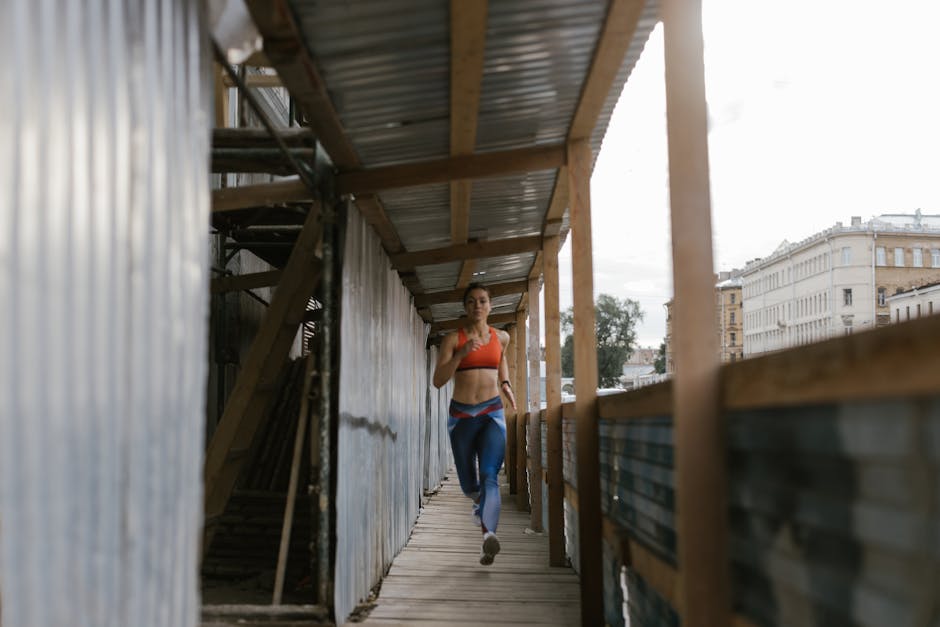
Why the outside of your knee hurts during running
The outside of your knee bears a lot of load when you run, especially if something in your movement pattern or body mechanics isn't quite balanced. A few things often contribute to this. It's worth knowing that knee pain after running follows a very similar pattern and responds to the same kind of approach.
Tight hip muscles and weak glutes can shift how your thighbone tracks when you run. If your hip stabilizers aren't strong enough, your knee can drift inward slightly with each stride—a movement called knee valgus. This puts extra tension on the outer structures of your knee, including the IT band and the tissues on the lateral knee. The pain may feel like it's in the knee, but it's often actually the result of stress higher up at the hip.
Running surface and terrain changes matter more than most runners realize. Concrete and asphalt are unforgiving, and if you suddenly increase your mileage on hard surfaces, your knee absorbs more impact than it's adapted to handle. Cambered roads (where the surface slopes for drainage) can also create asymmetrical loading, especially if you always run the same direction on the same route.
Worn-out shoes or shoes that don't match your stride can gradually alter how your foot lands and how forces travel up your leg. This isn't always about needing expensive shoes—sometimes it's about shoes that were right for you two years ago but are now compressed and offering less support than they used to.
Running volume increases that happen too fast are a common culprit. Your tissues need time to adapt to new demands. If you jumped from 15 miles a week to 25 miles a week, or added speed work without building a base first, the outside of your knee may be signaling that it's overwhelmed.
What you can try while you figure this out
Start by honestly assessing your recent running changes. Did you add miles, change routes, start hill repeats, or get new shoes in the last two weeks? Pinpointing what changed often points you toward what to adjust.
Reduce volume strategically without quitting entirely. Many runners feel they have to choose between stopping completely or pushing through. There's a middle path. If you were running five days a week, drop to three or four. If you were doing 8-mile runs, scale back to 5 or 6. The goal is to reduce the irritating stimulus while keeping some movement happening. This matters for your mental health too—completely stopping running can feel like losing a coping mechanism, and that's real.
Ice the outside of your knee after running, not before. A 10-15 minute ice session in the hour after you finish can help manage inflammation. Cold feels good in the moment, and it genuinely can reduce swelling. But ice doesn't fix the underlying problem—it just buys you time while you address the cause.
Pay attention to stairs and descents the day after running. This is where you'll often feel the most pain because your knee is working hard to control downward movement. If stairs hurt significantly, that's useful information: it suggests the outside of your knee is irritated enough that eccentric loading (lengthening under tension) is uncomfortable. This tells you that your current running volume is probably too high right now.
Spend time on hip strength, but do it consistently. Single-leg glute bridges, clamshells, and lateral band walks are boring and they work slowly. You won't feel dramatically stronger after one session. But if you do them three times a week for four weeks, your hip stabilizers will gradually handle more load, and that often takes pressure off the outside of your knee. The key is consistency over intensity.
Examine your running surface options. If you've been running mostly on pavement, try a track, trail, or grass for some of your runs. Softer surfaces absorb more impact and can feel noticeably different on your knee. Even one run per week on a different surface can reduce cumulative stress on the same tissues.
Not sure what's causing your knee pain? Take our 5-question quiz to find your pattern — Start the quiz →
When to check in with a professional
If your pain is sharp and sudden (not the gradual ache that builds during a run), if you hear a pop or feel instability, or if the pain doesn't improve after two weeks of reduced running and the strategies above, it's time to see a physical therapist or sports medicine doctor. They can assess your actual movement pattern and tell you whether the problem is truly coming from your hip, your foot, or something else entirely. It's worth knowing that knee pain running downhill follows a very similar pattern and responds to the same kind of approach.
Pain that worsens significantly with activity, swelling that doesn't go down with ice and elevation, or pain that's starting to affect how you walk on regular days also warrant professional evaluation.
Safety note: If you have severe pain, significant swelling, a recent injury, fever, numbness, or difficulty bearing weight, speak with a qualified healthcare professional promptly.
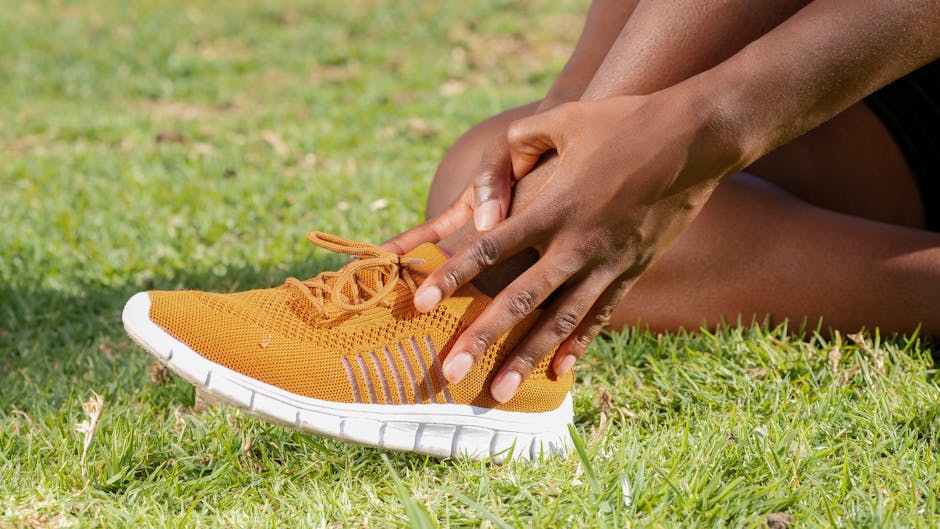
Frequently Asked Questions
Q: Can stretching help with knee pain on outside when running?
A: Gentle stretching of the quadriceps, hamstrings, calves, and hip flexors can reduce the muscular tension that contributes to knee discomfort. A sustained, comfortable hold of 20 to 30 seconds is far more effective and safer than aggressive or bouncing stretches.
Q: What happens if I ignore knee pain on outside when running?
A: In some cases, minor knee discomfort does resolve on its own. But consistently ignoring pain — especially if it's altering how you move — can allow the underlying cause to worsen. Most people find that early, sensible attention leads to faster recovery than waiting it out indefinitely.
Q: Is it normal to hear clicking sounds alongside knee pain on outside when running?
A: Joint sounds are extremely common and usually harmless — they often come from gas bubbles in the joint fluid or tendons flicking over bony prominences. If the clicking is painless and your knee functions normally, it's generally nothing to worry about. If it's accompanied by pain or swelling, mention it to a healthcare professional.
One Thing to Try First
Most people who take early, sensible action recover well. Start with what you can manage today and monitor closely. If things are not improving after a few weeks, that is the right time to bring in professional support.
Helpful Next Step
As an Amazon Associate, we may earn from qualifying purchases. This does not affect the price you pay.
Helpful Support Option
Runners dealing with this kind of knee discomfort often find that a well-fitted compression sleeve helps stabilise the joint and manage irritation during lower-intensity training sessions.
See knee sleeves for runningWant a more personalised recommendation? Take the 5-question quiz →
Helpful Next Step
If gentle support helps during recovery, you can check a simple support option that many people use in daily life. It's worth knowing that knee pain when running follows a very similar pattern and responds to the same kind of approach.
This content is for educational purposes only and does not constitute medical advice. Always consult a qualified healthcare professional for diagnosis and treatment.