🦵 Not sure what's causing it? Take the 5-question knee quiz.
Find My Pattern →Knee Pain in Women Over 40
You wake up and your knees feel stiff—that familiar tightness that makes the first few steps down the stairs feel cautious, almost creaky. By the time you've moved around for twenty minutes, it eases. But then you notice something else: you've stopped saying yes to things. The hiking trip your friends planned, the dancing at your cousin's wedding, even the idea of browsing a store for an hour on your feet—these feel risky now. The pain itself is real, but so is something quieter: the slow disappearance of activities that used to feel like part of who you are.
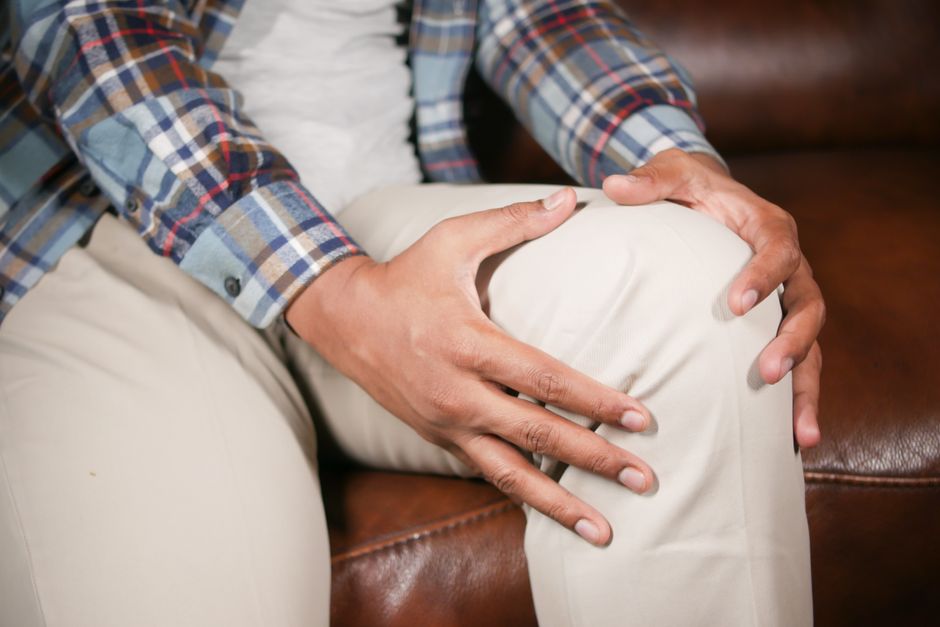
Knee pain in women over 40 often arrives without a clear moment of injury. It's not always sharp. Sometimes it's a dull, persistent ache that shows up hours after you've been active—not during the walk itself, but that evening when you're sitting down. Other times it's a catch, a brief sharp sensation when you step wrong or navigate stairs too quickly. And some women notice a weather-dependent throb, a heaviness that intensifies before rain or during humidity shifts. The pain is real. The frustration of being told "it's just aging" or watching doctors dismiss your concerns is just as real.
Why Your Knees Are Changing
🦵 Not sure what's causing your knee pain?
Answer 5 quick questions and get a personalised result.
Find My Pattern → 60 seconds · No sign-upSeveral factors often work together to create knee pain at this stage of life, and understanding them can help you feel less like this is random bad luck.
Hormonal shifts around perimenopause and menopause affect more than hot flashes. Estrogen plays a role in keeping cartilage healthy and reducing inflammation in joints. As estrogen levels drop, the cartilage that cushions your knee joint can become more vulnerable to wear and tear. This doesn't mean your knees are "broken"—it means they're responding to a real biological change.
Muscle strength naturally declines with age, a process called sarcopenia. Your quadriceps (the muscles on the front of your thigh) and hamstrings (the back of your thigh) are supposed to stabilize and support your knee joint. When these muscles weaken—which can happen gradually without you noticing—your knee has to work harder with every step. That extra strain can create aching, stiffness, or that catching sensation.
Changes in how you move can also contribute. Sometimes women unconsciously shift their gait to protect one knee, which then puts stress on the other. Or daily habits shift: you're sitting more, moving differently, or carrying extra weight around your midsection (a common change in midlife), which increases the load on your knees.
Inflammation in the joint itself may increase. This isn't always visible swelling—it can feel like a dull, persistent ache or morning stiffness that takes time to resolve.
What You Can Try
Start with movement that doesn't feel punishing. Walking is often gentler than running, but swimming or water aerobics can be even kinder because the water supports your weight while your muscles still work. The key is consistency over intensity. Twenty minutes most days can be more helpful than one hard workout followed by rest days. Pay attention to timing: some women find their knees feel better if they move gently first thing in the morning rather than pushing through stiffness.
Ice and heat work differently, and the timing matters. Ice can help if you've done something that caused acute swelling or sharp pain—apply it for 15 minutes after activity. Heat (a warm shower, heating pad, or warm bath) often feels better for stiffness and dull aches, especially that morning tightness. Some women alternate: heat in the morning to loosen up, ice after activity if needed.
Strengthening your thighs, even gently, can make a real difference. Straight-leg lifts, wall sits held for just 10 seconds, or standing on one leg while brushing your teeth—these small, consistent efforts help stabilize your knee. You don't need a gym membership or complicated routines. Small, regular effort beats occasional intense sessions. It's worth knowing that knee pain over 50 follows a very similar pattern and responds to the same kind of approach.
Pay attention to footwear. Shoes with good arch support and cushioning matter more now than they might have ten years ago. Worn-out sneakers or unsupportive shoes can change how your knee tracks and increase strain.
Sleep disruption often worsens pain, and pain disrupts sleep—a cycle that's easy to miss. If nighttime knee aching is waking you, try a pillow between your knees when you sleep on your side, or under your knees when on your back. This small change in positioning can ease pressure on the joint.
When to Reach Out to a Professional
You know your body. If pain is affecting your daily life, disrupting sleep regularly, or causing you to avoid activities that matter to you, that's reason enough to see someone. You don't need to wait for it to be "bad enough."
A physical therapist can assess how you move and design exercises specific to your situation. A doctor can rule out other conditions and discuss options that fit your life. If you've been dismissed before, it's okay to seek a second opinion or ask specifically about menopause-related joint changes—this is real, and not all providers are equally informed.
Safety note: If you have severe pain, significant swelling, a recent injury, fever, numbness, or difficulty bearing weight, speak with a qualified healthcare professional promptly.
Frequently Asked Questions
Q: Why does my knee feel worse after sitting for a long time?
A: This pattern — stiffness or pain after prolonged sitting that eases once you move around — is a hallmark of irritation around the kneecap or the soft tissues surrounding it. The joint stiffens in a flexed position, and the first movement disturbs it. Most people find it settles within a minute or two of walking.
Q: Is it normal to hear clicking sounds alongside knee pain in women over 40?
A: Joint sounds are extremely common and usually harmless — they often come from gas bubbles in the joint fluid or tendons flicking over bony prominences. If the clicking is painless and your knee functions normally, it's generally nothing to worry about. If it's accompanied by pain or swelling, mention it to a healthcare professional.
Q: Can I still walk normally when I have knee pain in women over 40?
A: Many people manage normal walking despite this kind of discomfort. If walking causes you to limp or noticeably change your gait, though, that's worth addressing — compensating patterns often create new problems in the hips, lower back, or opposite knee over time.
A Simple Next Step
Most people who take early, sensible action recover well. Start with what you can manage today and monitor closely. If things are not improving after a few weeks, that is the right time to bring in professional support.
Helpful Next Step
As an Amazon Associate, we may earn from qualifying purchases. This does not affect the price you pay.
Helpful Support Option
If this type of knee discomfort shows up during daily movement, light support may help reduce strain on the joint while you work on the underlying cause.
See knee support options on AmazonHelpful Next Step
If gentle support helps during recovery, you can check a simple support option that many people use in daily life.
This content is for educational purposes only and does not constitute medical advice. Always consult a qualified healthcare professional for diagnosis and treatment.