🦵 Not sure what's causing it? Take the 5-question knee quiz.
Find My Pattern →Knee Pain After Covid Recovery Long Haul Symptoms
That moment when you stand up after sitting for ten minutes and feel a sharp catch in your knee—the kind that makes you pause mid-step and wonder if something just shifted—is a common experience for people months into their COVID recovery. The pain might feel dull and manageable when you wake up, then gradually worsen as the day goes on, settling into a heavy ache by evening. Or it might be the opposite: you feel fine all day, but the moment you try to walk upstairs or sit down, a sharp sensation shoots through. Some people describe a sensation of instability, like their knee might give way, which creates a fear that goes beyond the actual pain itself.
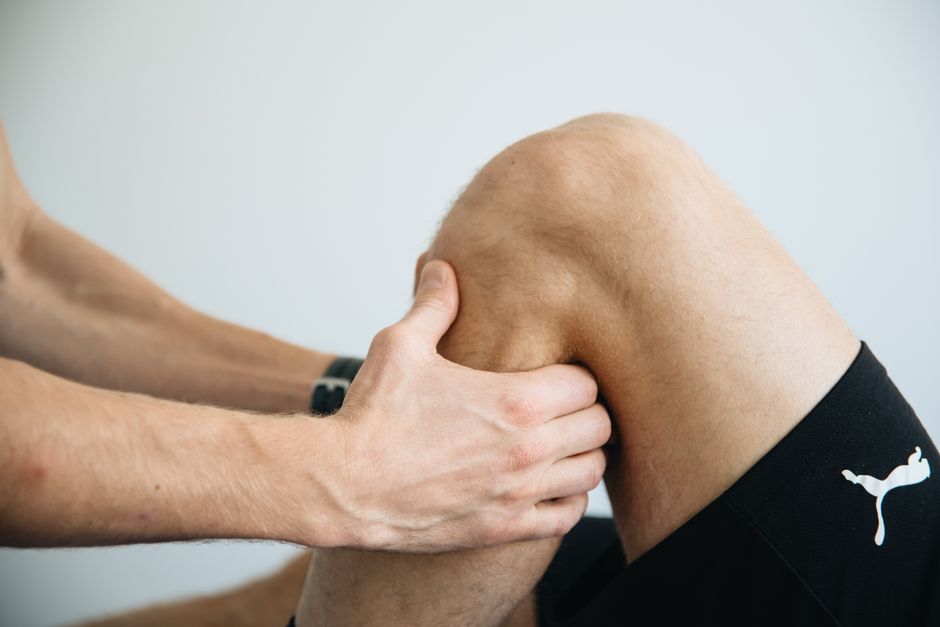
What makes this particularly confusing is that it often arrives weeks or months after you thought you'd recovered from COVID. You weren't in the hospital. You didn't have severe respiratory symptoms. But now, when you're supposedly better, your knee—or both knees—is limiting what you can do. And that gap between feeling "recovered" and still struggling with pain can feel isolating, especially when friends assume you're back to normal.
Why knee pain develops after COVID
🦵 Not sure what's causing your knee pain?
Answer 5 quick questions and get a personalised result.
Find My Pattern → 60 seconds · No sign-upThe exact mechanism isn't fully understood, but several factors may contribute to knee pain during long COVID recovery.
Viral inflammation that lingers. COVID-19 can trigger an inflammatory response that doesn't fully resolve when the acute infection clears. This inflammation may settle in various joints, including the knees, creating persistent pain and sometimes swelling that appears hours after activity rather than during it. You might go for a walk and feel fine, then notice your knee is puffy that evening or the next morning.
Deconditioning and muscle weakness. Many people spend weeks recovering from COVID with reduced activity—sometimes bed rest, sometimes just exhaustion that makes movement feel impossible. During that time, the muscles supporting your knee, particularly the quadriceps and hip stabilizers, weaken. When you start moving again, those weakened muscles can't support your knee properly, placing extra stress on the joint itself. This doesn't mean you're doing something wrong; it's a normal consequence of reduced activity, but it takes time to rebuild.
Post-exertional malaise intersecting with activity. Long COVID can involve post-exertional malaise (PEM), where physical activity triggers disproportionate fatigue and symptom flare-ups hours or even days later. Your knee pain might worsen not because the activity was too intense, but because your body's overall recovery capacity is still compromised. You might feel capable of a 20-minute walk, do it, and then experience knee pain alongside fatigue and brain fog the next day—making it hard to know whether to rest or gently move.
Viral effects on connective tissue. Some research suggests COVID may affect connective tissue properties, potentially making joints feel less stable or more prone to inflammation. This might explain why some people experience that "giving way" sensation—not because the knee is actually unstable, but because the proprioceptive feedback (your body's sense of where it is in space) feels off.
What you can try carefully
Start with movement that feels genuinely tolerable, not what you think you "should" be able to do. This is harder than it sounds, especially if you were active before COVID. A 10-minute walk might be your actual limit right now, even if you used to run for an hour. The temptation is to push toward your old capacity, but that often backfires with increased pain or fatigue the next day. Instead, notice what duration and intensity you can do without triggering symptoms hours later. That's your baseline—not your goal.
Apply cold strategically, especially for delayed swelling. If your knee swells hours after activity, ice in the evening or before bed may help. Fifteen to twenty minutes with a barrier (towel or cloth) between ice and skin works well. Some people find this more useful than icing immediately after activity, since the swelling hasn't appeared yet.
Pay attention to how sitting and standing transitions affect your knee. Many people notice that sharp catch happens specifically when shifting from sitting to standing after a short period. Sitting for just ten minutes can create stiffness that causes pain on the first few steps. Gentle movement before standing—ankle circles, small knee bends while seated—sometimes reduces that initial catch.
Protect your knee during unpredictable fatigue days. On days when your overall long COVID fatigue is worse, your knee pain often worsens too. This isn't weakness; it's your body signaling that recovery capacity is lower. On those days, gentler movement and more frequent rest breaks can prevent the compounding effect where pain and fatigue reinforce each other.
Acknowledge the grief of lost activities. This isn't a physical strategy, but it matters. Many people experience real loss when they can't do activities they loved—hiking, dancing, sports, even just keeping pace with friends on walks. That emotional weight can intensify how you experience pain and slow your willingness to try gentle movement. Naming that loss, rather than pushing through it, often helps with both the physical and psychological aspects.
When to reach out to a professional
If your knee pain is preventing you from basic daily activities after several weeks, a physical therapist familiar with long COVID can assess your specific movement patterns and muscle strength, then design a progression that accounts for post-exertional malaise rather than standard recovery timelines.
See a doctor if you notice significant swelling that doesn't improve with rest and ice, if the pain is sharp and constant rather than activity-related, or if you develop new symptoms like warmth, redness, or difficulty bearing weight. If you also experience stiff knee after long haul flight, the two issues often share the same underlying cause.
Safety note: If you have severe pain, significant swelling, a recent injury, fever, numbness, or difficulty bearing weight, speak with a qualified healthcare professional promptly.
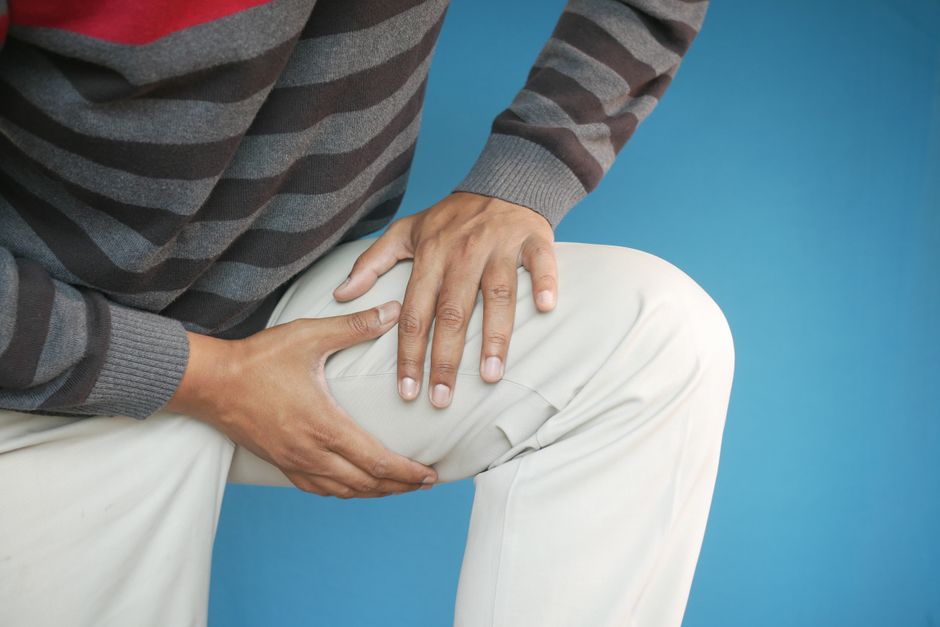
Frequently Asked Questions
Q: How long does knee pain after covid recovery long haul symptoms usually last?
A: This varies a lot depending on the cause. Minor muscle strain or overuse tends to settle within a few days to two weeks with appropriate rest and gentle movement. If it hasn't improved after three weeks — or symptoms are worsening — that's a clear signal to get a professional opinion.
Q: Is it safe to exercise with knee pain after covid recovery long haul symptoms?
A: Gentle, low-impact movement is often beneficial — walking, swimming, and cycling tend to be well-tolerated. Avoid anything that sharply increases the discomfort. A physiotherapist can help identify which exercises are right for your specific situation and severity.
Q: Is it normal to hear clicking sounds alongside knee pain after covid recovery long haul symptoms?
A: Joint sounds are extremely common and usually harmless — they often come from gas bubbles in the joint fluid or tendons flicking over bony prominences. If the clicking is painless and your knee functions normally, it's generally nothing to worry about. If it's accompanied by pain or swelling, mention it to a healthcare professional.
Where to Go From Here
Most people who take early, sensible action recover well. Start with what you can manage today and monitor closely. If things are not improving after a few weeks, that is the right time to bring in professional support.
Helpful Next Step
As an Amazon Associate, we may earn from qualifying purchases. This does not affect the price you pay.
Helpful Support Option
If this type of knee discomfort shows up during daily movement, light support may help reduce strain on the joint while you work on the underlying cause.
See knee support options on AmazonHelpful Next Step
If gentle support helps during recovery, you can check a simple support option that many people use in daily life.
This content is for educational purposes only and does not constitute medical advice. Always consult a qualified healthcare professional for diagnosis and treatment.