🦵 Not sure what's causing it? Take the 5-question knee quiz.
Find My Pattern →Knee Pain in Teenagers
You're at practice or in the middle of a game when you feel it—a sharp catch behind your kneecap, or maybe just a dull throb that doesn't seem serious enough to mention. You push through because stopping means sitting out, and sitting out means explaining to your coach, your teammates, your parents. By the time you get home, the pain is real, but you're already committed to the story that it's nothing. This is the moment most teenagers with knee pain find themselves in: caught between what their body is telling them and what they're afraid will happen if they actually stop.
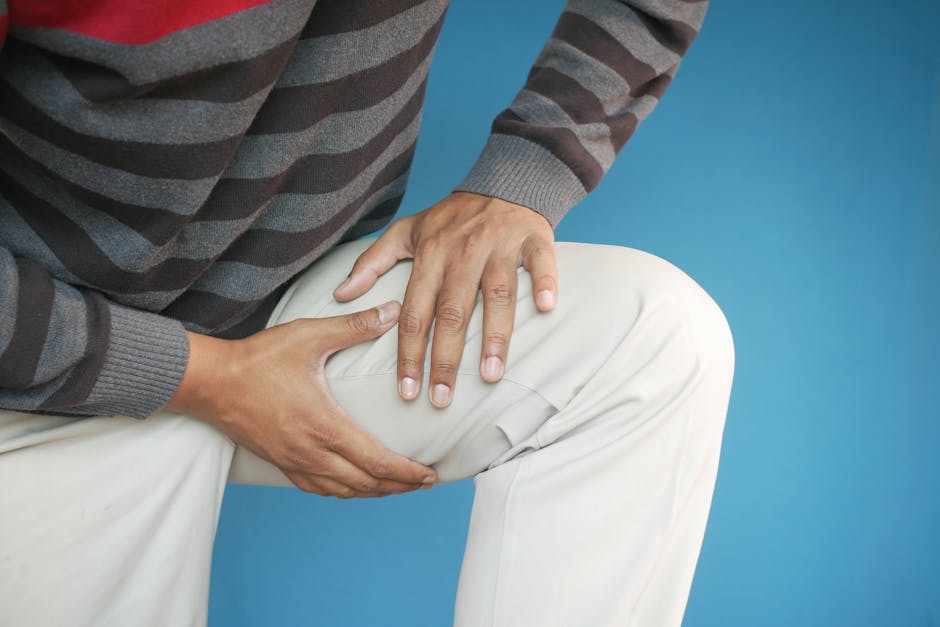
The tricky part about knee pain in your teens is that your body is still building itself. Your bones are growing, your muscles are catching up, and the structures around your knee are under constant stress from both that growth and whatever sport or activity you're doing.
Why your knee might be hurting
🦵 Not sure what's causing your knee pain?
Answer 5 quick questions and get a personalised result.
Find My Pattern → 60 seconds · No sign-upGrowth itself can cause knee pain. During growth spurts, your bones grow faster than your muscles and tendons can keep up. This creates tightness, and that tightness can pull on the structures around your knee in ways that create pain—often a dull ache that feels worse after sitting through classes all day, then improves once you start moving again. It's the opposite of what you'd expect, which is why it's easy to dismiss.
Sudden increases in activity can strain your knee before it's ready. Maybe you joined a new team, increased your training volume, or started a sport you've never done before. Your knee can handle a lot, but ramping up too quickly—especially without proper conditioning—can irritate the tissues around the kneecap or create inflammation in the joint itself. The pain might not show up during the activity when adrenaline is high, but two hours after you stop, it can throb intensely.
Muscle imbalances are common in teenagers because different muscle groups develop at different rates. If your quadriceps (the muscles on the front of your thigh) are much stronger than your hamstrings (the back of your thigh), or if your hip muscles aren't strong enough to stabilize your knee properly, you can end up with uneven stress on the joint. This often shows up as pain around the kneecap, especially when going down stairs or squatting.
Poor footwear or alignment issues can add stress to your knee over time. If your shoes don't support your foot properly, or if you have flat feet or high arches, the way your leg tracks when you move can be off. This doesn't always cause pain immediately, but it can create a slow buildup of irritation that becomes noticeable after weeks of activity.
What you can try
Start with ice after activity, not before. Apply ice for 15–20 minutes after practice or games when inflammation is most likely to develop. Many teenagers ice before activity thinking it will prevent pain, but that's not how it works. Ice after is what matters.
Reduce the intensity or volume of what you're doing, at least temporarily. This doesn't mean stopping entirely—it means modifying. If running hurts, try swimming or cycling. If jumping aggravates it, focus on strength work instead. The goal is to stay active while giving the irritated structures time to calm down. This is where the psychological part gets hard: admitting you need to modify feels like failure, but it's actually the fastest way back to full activity.
Strengthen the muscles around your knee, especially your hips and glutes. Weak hip muscles force your knee to work harder to stabilize your leg. Simple exercises like single-leg bridges, clamshells, and side-lying leg raises can make a real difference. You don't need fancy equipment—these can be done at home in 10 minutes. Do them three times a week and you may notice improvement within two to three weeks.
Stretch your quadriceps, hamstrings, and calves regularly. Tight muscles pull on your knee and change how it moves. A quad stretch (pulling your heel toward your glutes), a hamstring stretch, and calf stretches held for 30 seconds each, done daily, can reduce the tension that's contributing to pain.
Wear shoes that actually support your foot and replace them when they're worn out. This matters more than most teenagers realize. If you're in the same shoes you wore six months ago and you've grown since then, your foot may not be getting the support it needs.
When to talk to someone
Pain that lasts more than two weeks, even if it's mild, deserves professional attention. A physical therapist or doctor can figure out what's actually going on instead of you guessing. This is also where you get permission to modify activity without feeling like you're letting people down—a professional can tell your coach what you need.
See someone sooner if your knee swells noticeably (not just feels thick, but actually looks puffy), if you can't bear weight on it, if it gives way unexpectedly, or if the pain is sharp and sudden rather than gradual. These can signal something that needs more immediate evaluation.
The fear of missing games or looking weak in front of teammates is real, but it's also exactly what delays getting help. Addressing knee pain early, when it's mild, almost always means you get back to full activity faster than waiting until it becomes severe.
Safety note: If you have severe pain, significant swelling, a recent injury, fever, numbness, or difficulty bearing weight, speak with a qualified healthcare professional promptly.
Frequently Asked Questions
Q: Is it normal to hear clicking sounds alongside knee pain in teenagers?
A: Joint sounds are extremely common and usually harmless — they often come from gas bubbles in the joint fluid or tendons flicking over bony prominences. If the clicking is painless and your knee functions normally, it's generally nothing to worry about. If it's accompanied by pain or swelling, mention it to a healthcare professional.
Q: When should I stop exercising because of knee pain in teenagers?
A: Stop if the pain is sharp, climbing steadily during exercise, or causing you to change how you move. Mild, stable discomfort that stays at a 2 to 3 out of 10 is often acceptable to work through gently. Anything above that — or pain that simply feels wrong — is your cue to stop and reassess.
Q: Should I apply heat or ice to a painful knee?
A: Cold — ice wrapped in a cloth — works better for acute flare-ups, particularly in the first 24 to 48 hours when the area feels warm or inflamed. Gentle heat tends to be more helpful for muscle stiffness and chronic, recurring aches. Never apply either directly to bare skin.
What To Do Tomorrow Morning
Most people who take early, sensible action recover well. Start with what you can manage today and monitor closely. If things are not improving after a few weeks, that is the right time to bring in professional support.
Helpful Next Step
As an Amazon Associate, we may earn from qualifying purchases. This does not affect the price you pay.
Helpful Support Option
If this type of knee discomfort shows up during daily movement, light support may help reduce strain on the joint while you work on the underlying cause.
See knee support options on AmazonHelpful Next Step
If gentle support helps during recovery, you can check a simple support option that many people use in daily life.
This content is for educational purposes only and does not constitute medical advice. Always consult a qualified healthcare professional for diagnosis and treatment.