🦵 Not sure what's causing it? Take the 5-question knee quiz.
Find My Pattern →Knee Cracking and Pain in Older Age
That moment when you stand up from the dinner table and feel a sharp catch in your knee—the kind that makes you pause mid-movement and grip the chair—catches many people off guard. The cracking sound might follow, or it might come later when you're walking to the car. What strikes most people is how unpredictable it feels. Some days the knee feels almost normal. Other days, a dull ache settles in after you've been on your feet for an hour, and you find yourself planning the rest of your day around avoiding stairs or uneven ground. The cracking itself—that creaking or popping sensation—often doesn't hurt, but it signals something shifting, and that awareness alone can change how freely you move.
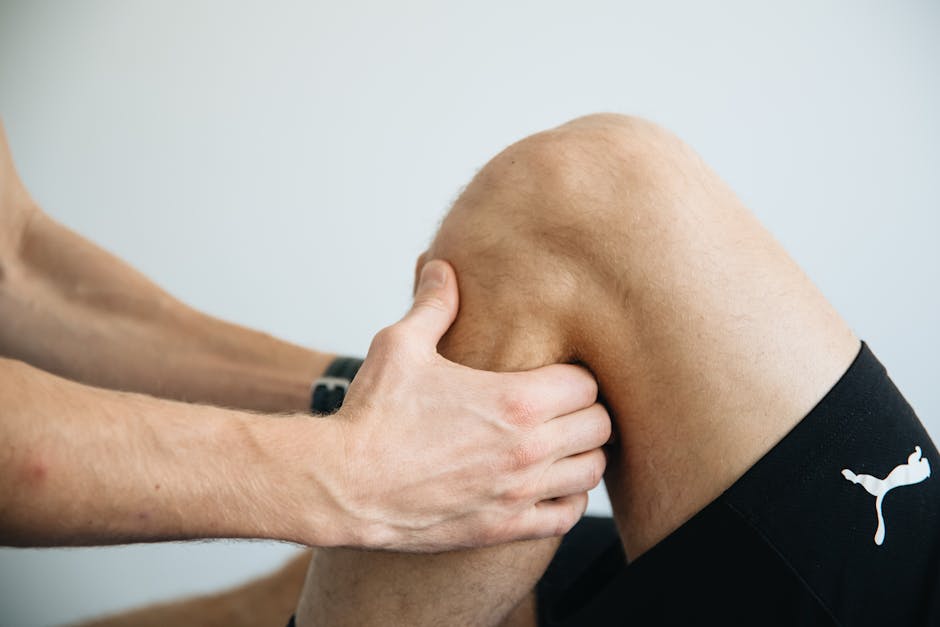
Why your knee cracks and aches
🦵 Not sure what's causing your knee pain?
Answer 5 quick questions and get a personalised result.
Find My Pattern → 60 seconds · No sign-upThe cracking sound (called crepitus) often happens because the cartilage that cushions your knee joint can become rougher or thinner over time. When surfaces that were once smooth become uneven, they can create friction and noise as you move. This isn't always painful by itself, but it frequently appears alongside other changes.
The cartilage breakdown may develop gradually, especially if you've spent decades putting weight through your knees—walking, climbing, bending, kneeling. Repetitive stress compounds over years. But it's not just wear and tear in the simple sense. Your body's ability to repair and maintain cartilage can slow with age, and inflammation in the joint may persist longer than it once did. If you also experience knee pain getting worse with age, the two issues often share the same underlying cause.
Fluid changes in the joint can also play a role. The synovial fluid that lubricates your knee may become less effective at protecting the joint surfaces, leaving them more vulnerable to friction and stiffness. This often explains why cold, damp weather seems to make things worse—changes in barometric pressure can affect how fluid moves in and around the joint.
Muscle weakness around the knee is another piece. If the quadriceps (the muscle on the front of your thigh) has weakened, your knee joint has to work harder to stay stable with each step. That extra strain can trigger both the cracking sensation and the ache that builds as the day goes on.
What you can try
Start with movement, not rest. The stiffness that greets you in the morning or after sitting for a while often improves once you move gently. A slow walk around the house, some gentle knee bends, or even standing and shifting your weight side to side can help the joint loosen. This takes patience—sometimes 15 to 20 minutes—but many people find the ache lessens once they've moved through that initial stiffness.
Strengthen the muscles supporting your knee. Weak thighs put extra burden on the joint itself. Seated knee extensions (straightening your leg while sitting), wall squats (sliding down a wall into a partial squat and holding), or standing on one leg while holding a counter can help. These don't need to be intense. Even gentle, consistent work—three times a week—can reduce the cracking and the ache that follows activity.
Apply heat before activity and ice after. Warmth loosens stiffness before you move, making those first steps easier. A heating pad, warm shower, or warm compress for 10 to 15 minutes before you plan to walk or be active can help. If the knee swells or feels hot after activity, ice for 15 minutes can reduce inflammation. The key is timing: heat to prepare, ice to recover.
Protect your knees on stairs and uneven ground. Use a handrail on stairs, take them one at a time if needed, and avoid rushing. On uneven surfaces—gravel, grass, or slopes—slow down and watch your footing. This isn't about avoiding these situations entirely; it's about removing the surprise element that can trigger a sharp catch or sudden instability.
Manage your weight thoughtfully. Extra weight increases the load your knees carry with each step. Even a modest reduction can ease the daily stress on the joint. But this isn't a quick fix, and the emotional weight of changing eating habits in older age is real. Small, sustainable changes—like reducing portion sizes or choosing one high-calorie habit to adjust—often work better than dramatic overhauls.
When to speak with a professional
If the cracking is accompanied by significant pain that limits your movement, swelling that doesn't improve with ice and elevation, or a feeling that your knee might give way, it's time to see a doctor or physical therapist. They can assess whether the problem is cartilage damage, ligament strain, or something else entirely.
Also seek professional guidance if the pain is affecting your sleep, your mood, or your willingness to spend time with family and friends. Chronic knee pain often carries an emotional cost—the grief of not being able to hike with your grandchildren, or the anxiety about becoming less independent. A healthcare provider can help you understand what's actually happening and create a plan that addresses both the physical and the emotional sides of this.
Safety note: If you have severe pain, significant swelling, a recent injury, fever, numbness, or difficulty bearing weight, speak with a qualified healthcare professional promptly.
Frequently Asked Questions
Q: Can stretching help with knee cracking and pain in older age?
A: Gentle stretching of the quadriceps, hamstrings, calves, and hip flexors can reduce the muscular tension that contributes to knee discomfort. A sustained, comfortable hold of 20 to 30 seconds is far more effective and safer than aggressive or bouncing stretches.
Q: Can I still walk normally when I have knee cracking and pain in older age?
A: Many people manage normal walking despite this kind of discomfort. If walking causes you to limp or noticeably change your gait, though, that's worth addressing — compensating patterns often create new problems in the hips, lower back, or opposite knee over time.
Q: Should I apply heat or ice to a painful knee?
A: Cold — ice wrapped in a cloth — works better for acute flare-ups, particularly in the first 24 to 48 hours when the area feels warm or inflamed. Gentle heat tends to be more helpful for muscle stiffness and chronic, recurring aches. Never apply either directly to bare skin.
Where to Go From Here
Most people who take early, sensible action recover well. Start with what you can manage today and monitor closely. If things are not improving after a few weeks, that is the right time to bring in professional support.
Helpful Next Step
As an Amazon Associate, we may earn from qualifying purchases. This does not affect the price you pay.
Helpful Support Option
If this type of knee discomfort shows up during daily movement, light support may help reduce strain on the joint while you work on the underlying cause.
See knee support options on AmazonHelpful Next Step
If gentle support helps during recovery, you can check a simple support option that many people use in daily life. If you also experience knee pain in older adults, the two issues often share the same underlying cause.
This content is for educational purposes only and does not constitute medical advice. Always consult a qualified healthcare professional for diagnosis and treatment.