🦵 Not sure what's causing it? Take the 5-question knee quiz.
Find My Pattern →Grinding Feeling in Knee
Mornings are often the worst. You stand up from bed, take a few steps toward the bathroom, and feel it—a sandy, crunchy sensation deep inside your knee joint. A few more steps and it quiets down. By afternoon, after sitting at your desk for hours, the grinding returns the moment you stand. It's not sharp pain exactly. It's more like something isn't gliding smoothly anymore, and you're acutely aware of every movement your knee makes. Sometimes it's loud enough that you hear it. Other times it's just a feeling, but no less unsettling.
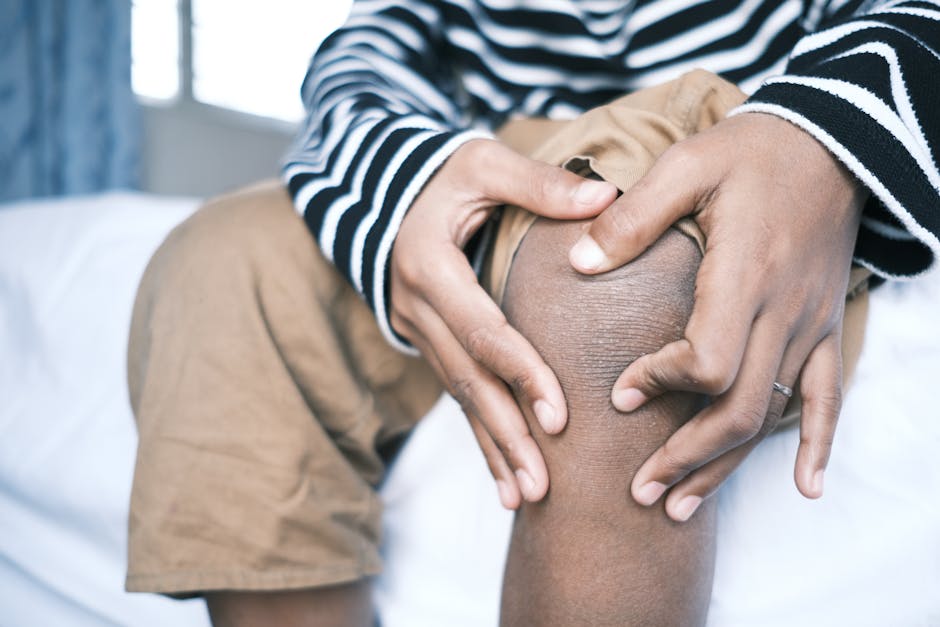
The grinding sensation you're experiencing is called crepitus, and it happens when the surfaces inside your knee aren't moving as smoothly as they should. Understanding what's likely causing it can help you figure out whether this is something that will settle with care or something that needs professional attention.
What's probably happening inside your knee
🦵 Not sure what's causing your knee pain?
Answer 5 quick questions and get a personalised result.
Find My Pattern → 60 seconds · No sign-upCrepitus often develops when the cartilage that cushions your knee joint becomes rougher or thinner. This can happen for several reasons, and the good news is that not all grinding means serious damage.
Inflammation and swelling inside the joint can create that grinding sensation even when the underlying structures are intact. When your knee swells—whether from overuse, a minor strain, or even changes in weather and barometric pressure—the joint space becomes tighter, and surfaces that normally glide smoothly can catch slightly. This type of grinding often improves as swelling reduces.
Muscle imbalances around your knee can also trigger crepitus. When your quadriceps (the muscles on the front of your thigh) are significantly weaker than your hamstrings, or when your glutes aren't firing properly, your kneecap doesn't track perfectly through its groove. It pulls slightly off-center with each step, and that misalignment creates grinding. This is especially noticeable going down stairs, where your quad has to work harder to control the descent.
Overuse without adequate recovery is another common culprit. If you've recently increased your activity—more walking, new exercise routine, or even just more standing than usual—your knee tissues may be inflamed and irritated. The grinding you feel might be swelling and inflammation rather than permanent joint damage.
In some cases, early cartilage wear or osteoarthritis can cause grinding. This doesn't mean your knee is failing; it means the cartilage surface has become less smooth. Many people live with mild crepitus from cartilage changes and manage it well with the right approach.
Practical steps to try
Start by paying attention to what makes the grinding worse or better. Does it intensify as the day goes on and fatigue sets in? Does it feel worse when you're stressed or haven't slept well? These observations matter because they tell you whether inflammation and muscle fatigue are major players.
Reduce swelling deliberately. Ice your knee for 15 minutes after activity, not before. Apply it when you've been on your feet a lot or after exercise. Compression with a simple elastic bandage can help too—not so tight that it cuts off circulation, but snug enough to provide gentle support. Elevation while sitting helps fluid drain away from the joint.
Strengthen the muscles that support your knee without irritating it further. This means low-impact work: walking on flat ground, stationary cycling (adjust the seat so your knee has a slight bend at the bottom of the pedal stroke), or swimming. These activities build strength without the jarring impact of running or jumping. Focus on your quadriceps—straight-leg raises while lying down, or wall sits held for 20–30 seconds. Add glute work: clamshells or bridges. Weak glutes force your knee to compensate, and that compensation creates grinding.
Pay attention to how you move. Going down stairs is often when grinding feels worst because your quad is working eccentrically—lengthening while contracting to control your descent. If stairs trigger significant grinding, try descending slowly, one step at a time, leading with your stronger leg. Going up is usually easier because your muscles are shortening, not lengthening.
Wear shoes with genuine support. Worn-out shoes, flip-flops, or shoes without arch support change how your foot strikes the ground and how forces travel up through your knee. This doesn't mean you need expensive orthotics; it means shoes that aren't collapsing and that keep your foot stable.
When to see a professional
Grinding that comes and goes, improves with rest and ice, and doesn't limit what you can do is often manageable at home. But several situations warrant a conversation with a healthcare provider.
If grinding is accompanied by swelling that doesn't improve after a few days of ice and elevation, that's worth investigating. If you can't put weight on your leg, or if the grinding developed after a specific injury or fall, get it checked. Pain that wakes you at night or grinding that's getting progressively worse despite your efforts to manage it should prompt professional evaluation.
Safety note: If you have severe pain, significant swelling, a recent injury, fever, numbness, or difficulty bearing weight, speak with a qualified healthcare professional promptly.
Frequently Asked Questions
Q: Should I apply heat or ice to a painful knee?
A: Cold — ice wrapped in a cloth — works better for acute flare-ups, particularly in the first 24 to 48 hours when the area feels warm or inflamed. Gentle heat tends to be more helpful for muscle stiffness and chronic, recurring aches. Never apply either directly to bare skin.
Q: Can stretching help with grinding feeling in knee?
A: Gentle stretching of the quadriceps, hamstrings, calves, and hip flexors can reduce the muscular tension that contributes to knee discomfort. A sustained, comfortable hold of 20 to 30 seconds is far more effective and safer than aggressive or bouncing stretches.
Q: Can I still walk normally when I have grinding feeling in knee?
A: Many people manage normal walking despite this kind of discomfort. If walking causes you to limp or noticeably change your gait, though, that's worth addressing — compensating patterns often create new problems in the hips, lower back, or opposite knee over time.
What To Do Tomorrow Morning
Most people who take early, sensible action recover well. Start with what you can manage today and monitor closely. If things are not improving after a few weeks, that is the right time to bring in professional support.
Helpful Next Step
As an Amazon Associate, we may earn from qualifying purchases. This does not affect the price you pay.
Helpful Support Option
If this type of knee discomfort shows up during daily movement, light support may help reduce strain on the joint while you work on the underlying cause.
See knee support options on AmazonHelpful Next Step
If gentle support helps during recovery, you can check a simple support option that many people use in daily life.
This content is for educational purposes only and does not constitute medical advice. Always consult a qualified healthcare professional for diagnosis and treatment.