🦵 Not sure what's causing it? Take the 5-question knee quiz.
Find My Pattern →Knee Pain After Weight Gain
Standing up from the couch feels different now. There's that sharp catch in your knee—the kind that makes you pause mid-rise and grip the armrest a little tighter. Maybe it started a few months ago when clothes fit differently, or maybe it came on suddenly after a stressful year. Either way, your knees feel heavier, and not just because of the extra weight they're carrying. The pain might be a dull throb that only shows up at night when you're lying in bed, or it could be a tight sensation that grips the moment you put weight on your leg after sitting for a while. What's harder to name is the thing underneath—the frustration that your body has changed, and now even ordinary movements feel uncertain.
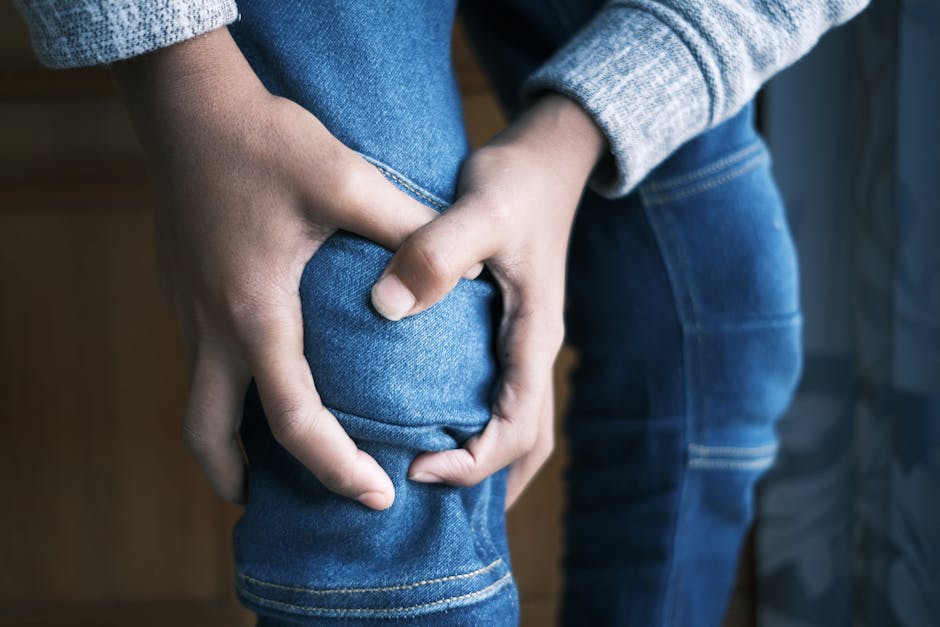
Why your knees are responding to weight gain
🦵 Not sure what's causing your knee pain?
Answer 5 quick questions and get a personalised result.
Find My Pattern → 60 seconds · No sign-upWhen weight increases, your knees absorb more force with every step, every stair, every time you stand. But the timing of that weight gain matters more than you might think. If the change happened over weeks or a few months, your knees haven't had time to adapt—the sudden demand can trigger pain quickly. If it happened over years, the pain may have crept in so gradually you didn't notice until one day it felt sharp enough to stop you.
The structures in your knee—cartilage, tendons, the joint capsule itself—can become irritated under sustained extra load. This irritation often shows up as a dull, heavy sensation rather than acute pain. Your body may also respond by tightening muscles around the knee as a protective mechanism, which can create that stiff, catching feeling when you move after sitting still.
Weight gain can also shift how your body distributes force through your legs. Your knees may roll inward slightly, or your hips may feel less stable. These small changes in alignment can stress parts of the knee that aren't designed to handle that particular angle of pressure, leading to localized soreness.
There's another piece that rarely gets mentioned: when your body changes, your movement patterns change too. You may unconsciously move differently to avoid pain—limping slightly, favoring one leg, or moving more stiffly. These compensations can create secondary pain in places you didn't expect, like your other knee, your hip, or your lower back.
What you can try without making it worse
Move in ways that don't punish your knees. Walking on flat ground is often gentler than you'd expect—the key is starting slowly and noticing how your knee feels the next day, not just during the walk. If stairs or hills trigger sharp pain, avoid them for now. Water-based movement (walking in a pool, gentle swimming) removes the weight-bearing stress entirely while still letting your body move. Many people find this is where they can actually feel capable again.
Pay attention to how you sit and stand. The way you rise from a chair matters. Push through your legs rather than leading with your upper body. When sitting, avoid keeping your knee bent at sharp angles for long stretches—that tightness that greets you when you stand is partly from muscles that have been held in one position. Shift your position every 20 minutes or so.
Ice can help, but timing matters. If your knee is throbbing at night or feels hot and puffy, ice for 15 minutes can reduce that sensation. Cold doesn't fix anything, but it can interrupt the cycle of inflammation that keeps you awake or makes morning stiffness worse.
Wear supportive shoes. Thin soles, worn-out shoes, or anything that rolls your ankle inward will make your knee work harder. Shoes with cushioning and a firm heel can reduce the jarring that travels up through your knee with each step.
Don't skip eating properly in an attempt to "fix" this quickly. Restrictive dieting often backfires—you feel deprived, movement feels harder because you lack energy, and the shame spiral makes it easier to avoid activity altogether. Eating enough protein and staying hydrated actually helps your body feel more stable.
The piece that's hard to talk about
Weight gain often carries shame, and that shame can become a barrier to movement. You might feel self-conscious exercising, or you might avoid activities because you're afraid of judgment or pain. This is real, and it matters. Sometimes the first step isn't a physical one—it's finding a way to move that feels private or safe, or talking to someone about the grief of a body that no longer does what it used to. That emotional weight is just as important as the physical weight.
When to reach out for help
If your knee pain is sharp and sudden, or if it gets worse despite rest and ice, a healthcare provider can rule out injury. If you notice significant swelling, instability (your knee feels like it might give way), or pain that wakes you at night despite ice, those are signs you need professional assessment. The same goes if pain is only in one knee and feels different from general soreness.
Safety note: If you have severe pain, significant swelling, a recent injury, fever, numbness, or difficulty bearing weight, speak with a qualified healthcare professional promptly.
Frequently Asked Questions
Q: Can stretching help with knee pain after weight gain?
A: Gentle stretching of the quadriceps, hamstrings, calves, and hip flexors can reduce the muscular tension that contributes to knee discomfort. A sustained, comfortable hold of 20 to 30 seconds is far more effective and safer than aggressive or bouncing stretches.
Q: Can I still walk normally when I have knee pain after weight gain?
A: Many people manage normal walking despite this kind of discomfort. If walking causes you to limp or noticeably change your gait, though, that's worth addressing — compensating patterns often create new problems in the hips, lower back, or opposite knee over time.
Q: Is it safe to exercise with knee pain after weight gain?
A: Gentle, low-impact movement is often beneficial — walking, swimming, and cycling tend to be well-tolerated. Avoid anything that sharply increases the discomfort. A physiotherapist can help identify which exercises are right for your specific situation and severity.
A Simple Next Step
Most people who take early, sensible action recover well. Start with what you can manage today and monitor closely. If things are not improving after a few weeks, that is the right time to bring in professional support.
Helpful Next Step
As an Amazon Associate, we may earn from qualifying purchases. This does not affect the price you pay.
Helpful Support Option
If this type of knee discomfort shows up during daily movement, light support may help reduce strain on the joint while you work on the underlying cause.
See knee support options on AmazonHelpful Next Step
If gentle support helps during recovery, you can check a simple support option that many people use in daily life.
This content is for educational purposes only and does not constitute medical advice. Always consult a qualified healthcare professional for diagnosis and treatment.