🦵 Not sure what's causing it? Take the 5-question knee quiz.
Find My Pattern →Sharp Knee Pain at Bottom of Squat
Squatting feels fine on the way down—your form looks good, your breathing is controlled—and then somewhere in the bottom quarter of the movement, a sharp catch stops you. It's not a dull ache that builds gradually. It's a specific, stabbing sensation that often vanishes the moment you start driving back up. You might test it again on the next rep, hoping it was a fluke. It wasn't. The pain returns in that exact same spot, that exact same depth, and now you're left wondering whether to push through, back off completely, or stop the session altogether.
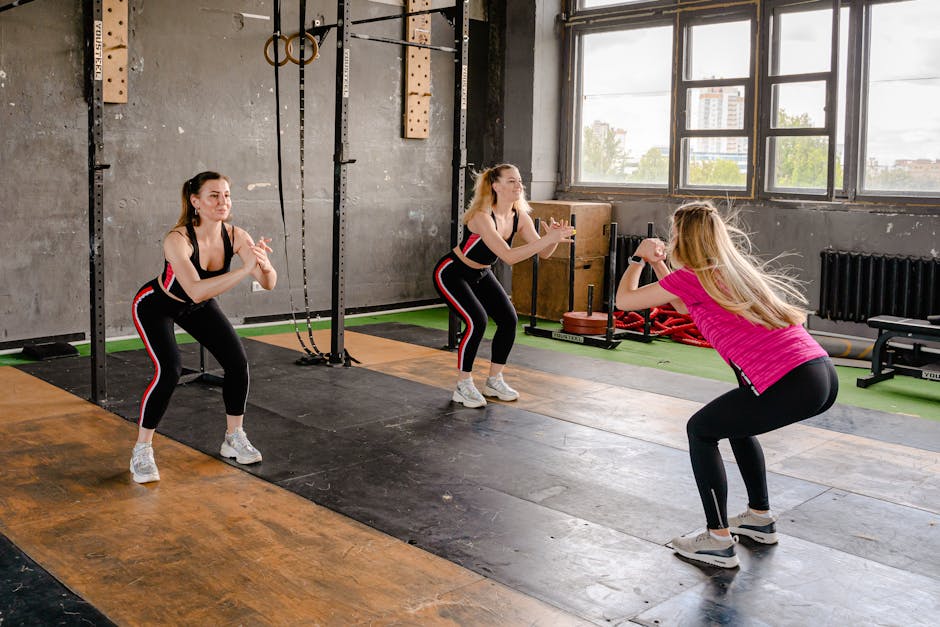
This kind of sharp, localized pain at the bottom of a squat is different from general knee discomfort. It has a timing to it—a particular moment in the movement where it fires—and that specificity matters when you're trying to figure out what's actually happening.
What's likely causing that sharp sensation
🦵 Not sure what's causing your knee pain?
Answer 5 quick questions and get a personalised result.
Find My Pattern → 60 seconds · No sign-upSharp pain at the bottom of a squat can come from several different sources, and the exact cause often depends on where in the bottom position the pain hits hardest. People dealing with this frequently also notice sharp knee pain below kneecap, particularly after extended periods of inactivity.
One common culprit is pressure on the kneecap and the tissues around it. When you lower into a deep squat, the kneecap tracks through a groove in your thighbone. If the muscles around your hip and thigh aren't balanced—particularly if your inner quad is weaker than your outer quad, or if your hip muscles aren't engaging evenly—the kneecap can track slightly off-center. At the bottom of the squat, when your knee is bent most acutely, this misalignment creates sharp pressure rather than smooth gliding. The pain often eases on the way up because the angle changes and pressure releases.
Another possibility is tension or irritation in the tissues just below or around the kneecap. The patellar tendon (which connects your kneecap to your shinbone) and the fat pad beneath the kneecap can become irritated, especially if you've recently increased squat volume, added weight, or changed your depth. This type of sharp pain often feels like it's at the bottom of the kneecap or just beneath it.
Cartilage irritation can also produce a sharp sensation, though this typically comes with other signals like clicking, grinding, or a feeling that the knee is unstable or catching. If you notice these sensations alongside the sharp pain, that's worth mentioning to a professional.
A less obvious cause is how your body is distributing load through your foot and ankle. If your foot rolls inward during the squat (even slightly), or if your ankle mobility is limited and you're compensating by shifting weight unevenly, that changes how force travels through your knee. Some people feel sharp pain only when they squat in certain shoe types or on certain surfaces—that's often a clue that alignment and stability are part of the picture.
How to approach this carefully
Start by noticing the exact depth where pain appears. Does it hit in the bottom 10 degrees of your squat, or does it flare up earlier? Does it hurt during the descent, at the pause, or specifically when you're driving back up? This detail matters because it tells you something about which structures are under load at that moment. Mentally mark that depth, and for now, squat only to the point just before pain starts. This isn't forever—it's a way to keep moving while you figure things out. For useful context, sharp knee pain when bending leg tends to have the same mechanical roots and overlapping solutions.
Reduce the weight or load you're using, even if that feels frustrating. A sharp pain at the bottom of a squat with your bodyweight alone is different from sharp pain while loaded. If you're currently squatting with weight, step back to unloaded squats or use a lighter load. If even bodyweight hurts, you may need to work with shallower ranges of motion for a while. This isn't failure; it's giving your knee a chance to move without triggering pain while you address what's underneath the problem.
Pay attention to what happened the day before. Sharp knee pain often correlates more closely with previous day's activity, sleep quality, or even stress levels than people expect. If you squatted heavily yesterday, did a long run, or slept poorly, your knee may be more irritable today. Tracking this pattern helps you understand whether the pain is structural (always there at that depth) or situational (there when your knee is already irritated). This distinction changes what you should do next.
Warm up differently before squatting. Spend 2-3 minutes on gentle movement that doesn't load the knee sharply—walking, cycling at an easy pace, or slow bodyweight lunges. Then do a few very shallow squats (quarter-depth) before progressing deeper. Some people find that their sharp pain at the bottom actually improves once they're properly warmed up, which suggests the tissues need gradual preparation rather than immediate deep loading.
Avoid the testing trap. It's tempting to squat repeatedly throughout the day to see if the pain is still there. Each time you trigger it, you're re-irritating the same structures. If it hurt this morning, it will likely hurt the same way this afternoon. Testing doesn't give you new information; it just delays recovery.
When to talk to a professional
If sharp pain at the bottom of your squat persists beyond 2-3 weeks despite reducing depth and load, or if it's worsening, a physical therapist or sports medicine doctor can assess your specific movement pattern, muscle balance, and knee alignment. They can also rule out structural issues that aren't obvious from pain timing alone.
Also seek professional guidance if the sharp pain is accompanied by significant swelling, if your knee feels unstable or gives way, if you hear consistent clicking or grinding, or if the pain is spreading to other areas around your knee rather than staying localized.
Safety note: If you have severe pain, significant swelling, a recent injury, fever, numbness, or difficulty bearing weight, speak with a qualified healthcare professional promptly.
Frequently Asked Questions
Q: Can I still walk normally when I have sharp knee pain at bottom of squat?
A: Many people manage normal walking despite this kind of discomfort. If walking causes you to limp or noticeably change your gait, though, that's worth addressing — compensating patterns often create new problems in the hips, lower back, or opposite knee over time.
Q: What happens if I ignore sharp knee pain at bottom of squat?
A: In some cases, minor knee discomfort does resolve on its own. But consistently ignoring pain — especially if it's altering how you move — can allow the underlying cause to worsen. Most people find that early, sensible attention leads to faster recovery than waiting it out indefinitely.
Q: Why does my knee feel worse after sitting for a long time?
A: This pattern — stiffness or pain after prolonged sitting that eases once you move around — is a hallmark of irritation around the kneecap or the soft tissues surrounding it. The joint stiffens in a flexed position, and the first movement disturbs it. Most people find it settles within a minute or two of walking.
One Thing to Try First
Most people who take early, sensible action recover well. Start with what you can manage today and monitor closely. If things are not improving after a few weeks, that is the right time to bring in professional support.
Helpful Next Step
As an Amazon Associate, we may earn from qualifying purchases. This does not affect the price you pay.
Helpful Support Option
Resistance bands are commonly used in knee rehabilitation to build quad and glute strength without placing heavy load on the joint. A useful addition to a home exercise routine.
See resistance band optionsHelpful Next Step
If gentle support helps during recovery, you can check a simple support option that many people use in daily life. There's a close connection between this and sharp knee pain when running uphill — the same structures are usually involved.
This content is for educational purposes only and does not constitute medical advice. Always consult a qualified healthcare professional for diagnosis and treatment.